

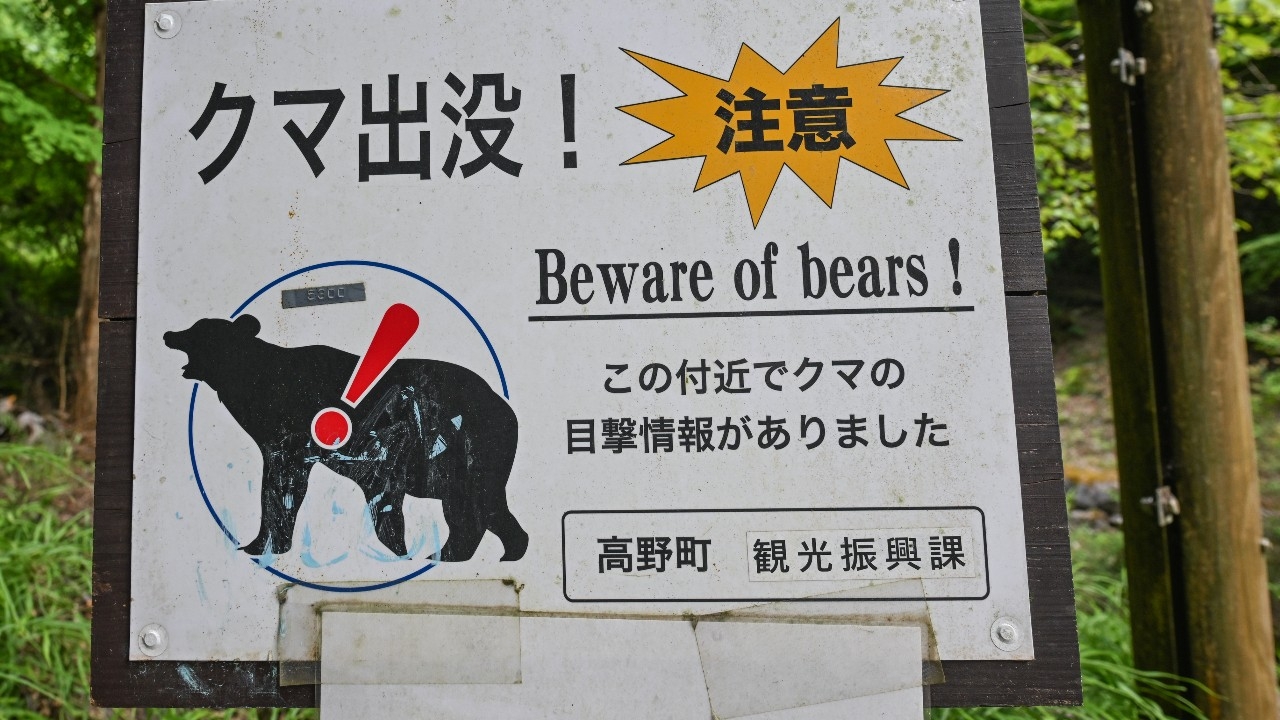
Residents of Shizukuishi city in Iwate Prefecture, Japan, are deeply alarmed after a wild bear broke into an elderly person's home, opened the refrigerator searching for food, then fled. Police believe it may be the same bear responsible for over 14 break-ins at homes and shops in the past two weeks. Authorities are rushing to install traps and electric fences to prevent further incidents.
The incident occurred in Shizukuishi city, Iwate Prefecture. Mitsuo Matsubara, 87, recounted hearing strange noises from the kitchen late at night. When he investigated, he was shocked to find a large wild bear standing in front of an open refrigerator, with food scraps and ingredients scattered all over the kitchen floor. His wife immediately called the police before the bear retreated through the back door.
What is concerning is that around the same time, there were 14 reported break-ins by bears with similar behavior across five locations in the same city. Experts believe these repeated incidents are likely caused by the same bear roaming the area.
This bear particularly favors sweets. It has broken into one home five times to eat cookies, sugar, and "karinto"—a traditional Japanese deep-fried sugar-coated snack. There are also reports of it raiding a Japanese-style sweet shop to steal donuts from the refrigerator, and breaking into another home to eat cat food and pickled vegetables.
In another frightening event, a local man returned from shopping to find a bear inside his house near the room where his elderly father was sleeping. Although the bear fled after the man loudly knocked on the door, it attempted to force the door open again. The man had to use all his strength to hold the sliding glass door shut for over 30 seconds while the bear stood on its hind legs and tried to push its way in. He estimated the bear to be about 1.65 meters tall.
Meanwhile, a local farmer revealed that his farm was raided by the bear four times, targeting powdered milk used for feeding calves. Security cameras captured the bear trying to open the house door late at night before fleeing when the farmer shone a flashlight and shouted. The farmer now scatters Japanese mustard powder around the entrance to emit a strong smell that repels the bear.
Shiho Jida, a bear expert from Iwate Prefecture's Natural History Department, stated, "It is very unusual for a bear to repeatedly invade the same locations multiple times. It is highly likely to be the same animal, and we want to capture it as soon as possible." Authorities have installed animal traps, electric fences at vulnerable spots, and dispatched patrol officers to warn and protect residents.
Not only in Iwate Prefecture, but other parts of Japan are also seeing more frequent bear invasions due to ongoing intense heat. On Hokkaido Island in northern Japan, residents recently encountered a brown bear, prompting the temporary closure of hiking trails on Mount Rausu shortly after the climbing season began.
Experts analyze that bear attacks and human fatalities in Japan have reached record highs in recent years. The main cause is rural depopulation, which allows forests to encroach closer to urban areas. Bears have become accustomed to entering communities and, importantly, have begun to lose their fear of humans—a situation Japanese authorities are urgently working to manage.