

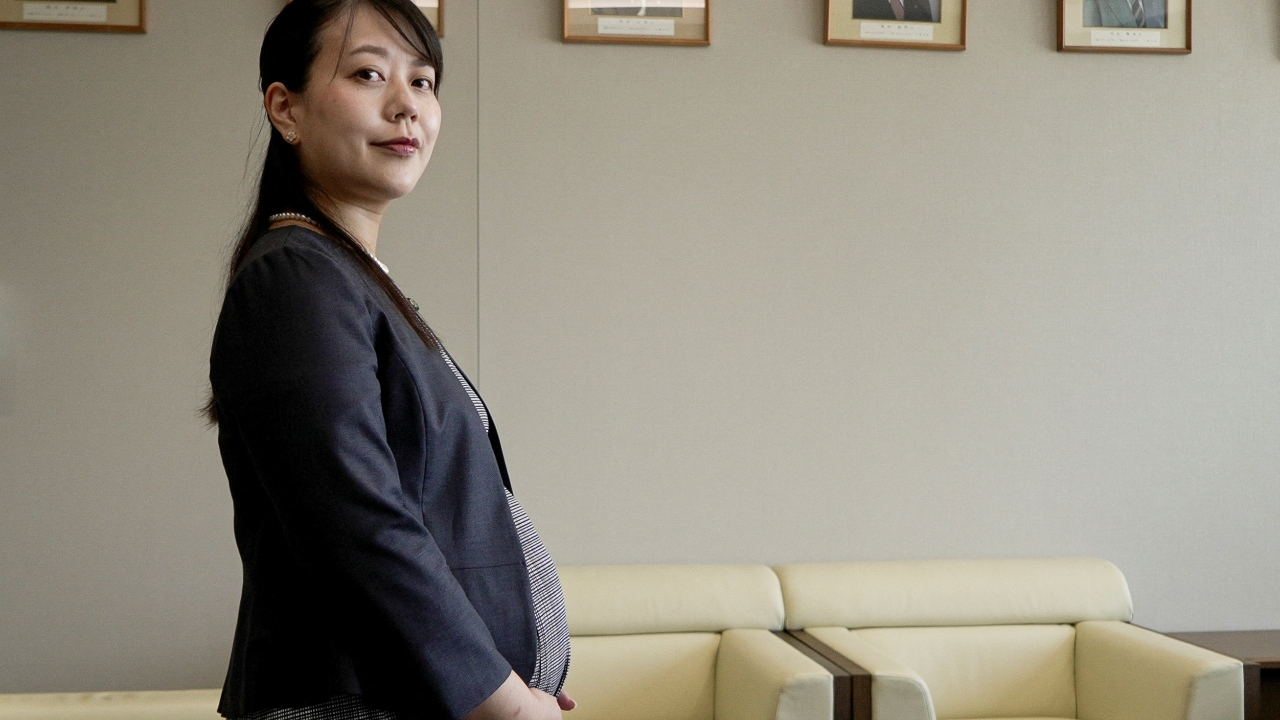
Shoko Kawata, the 36-year-old mayor of Yawata City, officially began maternity leave today, making history as Japan's first sitting mayor to announce maternity leave. While receiving public support, she still faces online criticism and doubts about receiving her full salary during leave, reflecting ongoing debates over gender equality in Japanese politics.
Shoko Kawata, mayor of Yawata—a small city of about 69,000 residents in western Japan—officially started maternity leave today (20 July 2024), becoming the first sitting mayor in the country's history to take maternity leave. The decision attracted significant global media attention and sparked wide public debate and discussion.
Kawata, who set the record as Japan's youngest female mayor at age 33 in 2023, revealed that she had always planned to have children but discovered that although Yawata's regular municipal officials are legally entitled to 16 weeks of maternity leave, there were "no rules or guidelines" for the mayor's position. This led her to take the initiative to draft new regulations herself.
Kawata told Reuters, "I was very surprised to learn that I am the first mayor to use maternity leave. It made me realize how few women or young women have become mayors until now."
One of her final duties before taking leave was participating in the Taiko festival procession. Being visibly pregnant, she chose to walk behind the procession rather than sit on the traditional portable shrine, prioritizing safety.
Her maternity leave occurs amid Japan's significant gender inequality gap. The latest World Economic Forum Gender Gap Index ranks Japan 118th out of 148 countries overall and 125th specifically for women's political participation. While most Japanese women have legal maternity leave rights of about 14 weeks with compensation of about two-thirds of their salary, this had not been established for mayoral roles.
Kawata stated that Japan must seriously reform society to address the unprecedented low birthrate crisis and population decline. She called for building a society where people in all professions, including executives and leaders, can decide to have children without worrying about their careers. Without change, the country will inevitably face population decline and economic downturn.
She said that most city residents and colleagues support her maternity leave but expressed disappointment at the online criticism accusing her of not intending to work seriously and taking office solely to claim maternity leave rights, despite performing her duties normally throughout her tenure.
While most Yawata residents agree with the mayor’s maternity leave, some question her receiving full salary during leave. Some view maternity leave as a basic women's right but believe compensation should be reconsidered appropriately.
Kawata is due to give birth in September. Her maternity leave is closely watched in Japan and internationally as a significant case study on women's leadership roles and balancing family life with work in modern Japanese society.
. . .Reuters