

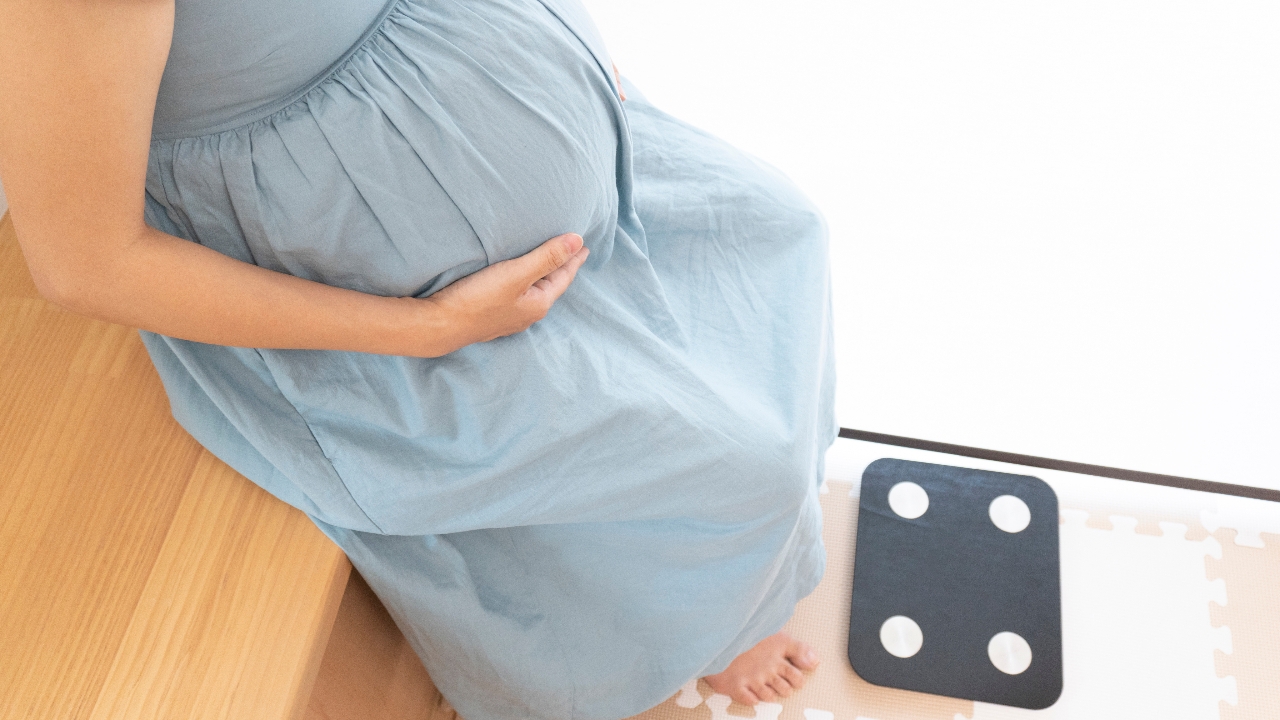
A 34-year-old Australian woman gave birth to quadruplet daughters from a natural pregnancy, an extremely rare occurrence with odds of only 1 in 15 million. Doctors classified the pregnancy as high-risk.
On 20 July 2026, BBC reported that the medical team at Royal Brisbane Women's Hospital in Brisbane, Australia, revealed that 34-year-old Janitar Naamoana gave birth to identical quadruplet daughters from a natural pregnancy after being closely monitored during this high-risk pregnancy.
The report stated that the four babies—Emily, Harriet, Catherine, and Alexa—were delivered by cesarean section on 14 July at 28 weeks and 4 days gestation. All four are identical quadruplets (Monozygotic Quadruplets), originating from a single fertilized egg that split into four embryos.
Dr. Alexa Bendall, the obstetrician overseeing the pregnancy, stated that such pregnancies occur in about 1 in 15 million cases. The fact that all four babies shared one placenta made it even rarer. She emphasized this was a high-risk pregnancy for both mother and babies.
The report said the hospital admitted Mrs. Naamoana at 25 weeks gestation for close monitoring. The medical team aimed to prolong the pregnancy to 28 weeks, a goal they successfully exceeded as all four babies were safely delivered healthy.
Dr. Bendall praised the mother for enduring this difficult pregnancy with almost no complications and expressed gratitude that the family named one daughter "Alexa" in her honor.
Doctors stated that all four babies are strong and responding well to treatment. They remain in the neonatal intensive care unit until their development matches that of full-term infants.
Meanwhile, Mrs. Naamoana and her husband, Mr. Jortham Naamoana, already have four children aged between 1 and 10 years, bringing their total to eight children. They have launched an online fundraiser to purchase a van with at least 10 seats to accommodate the whole family for travel.
Doctors noted that naturally conceived quadruplet births occur roughly once in 700,000 deliveries. However, the case of identical quadruplets from one egg splitting into four embryos is an even rarer phenomenon, attracting global medical interest.
Source: BBC