

The United Nations reported that victims of online scams in East Asia, Southeast Asia, Australia, and New Zealand lost a total of up to $114.1 billion USD in 2025, about 3.7 trillion baht, representing at least a threefold increase from the previous year.
On 21 July 2026, foreign news agencies reported that the United Nations Office on Drugs and Crime (UNODC) released a new report revealing that victims of online scams in East Asia, Southeast Asia, Australia, and New Zealand lost between $88.3 billion and $114.1 billion USD, approximately 2.9 to 3.7 trillion baht, in 2025. This marks at least a threefold increase compared to 2023, when estimated damages ranged from $18 billion to $37 billion USD, or about 590 billion baht to 1.2 trillion baht.
The report stated that this sharp increase in damages reflects the rapid expansion of transnational crime networks, particularly those involved in investment scams and money transfer fraud via online platforms, including cryptocurrency investment fraud and romance scams.
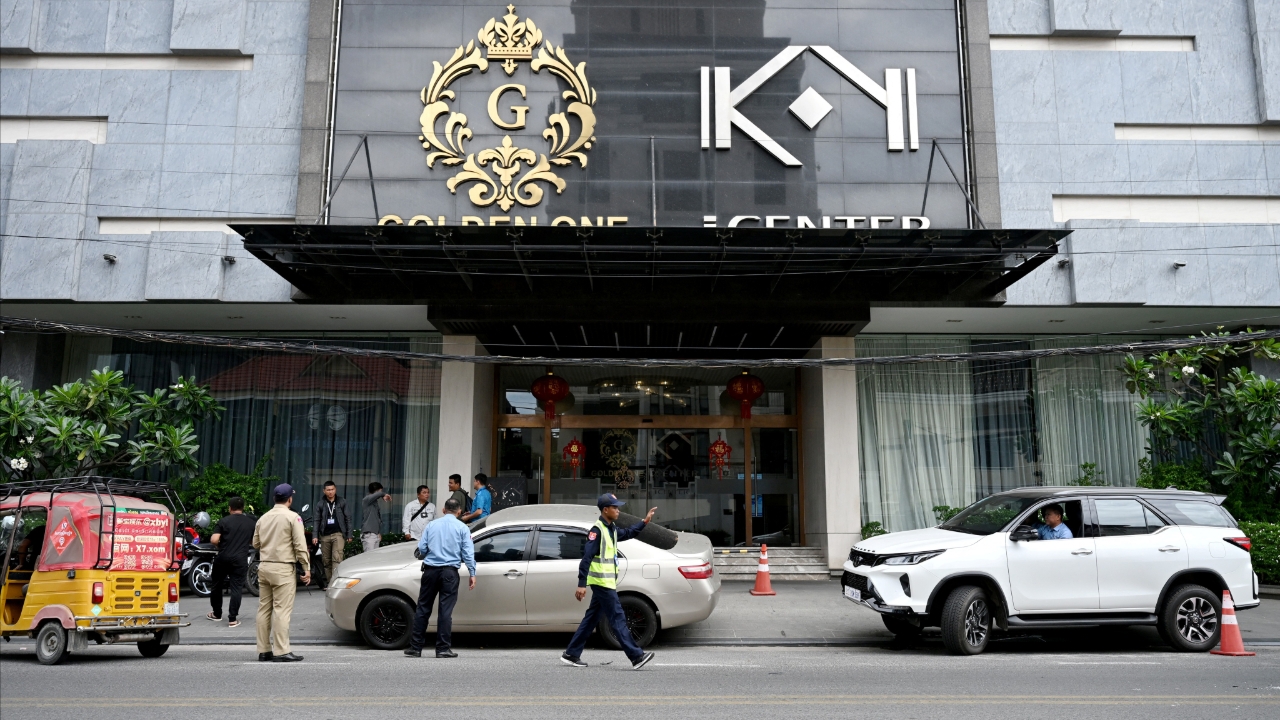
The report highlights that Cambodia and Myanmar have become major centers for online scam gangs in Southeast Asia. Some perpetrators willingly joined these operations, while many others were victims of human trafficking and forced to work in highly secured operations centers before deceiving victims worldwide over the internet.
However, under pressure from countries including the U.S., the U.K., and China, several governments in the region have stepped up efforts to crack down on these criminal networks. Over the past year, Cambodian authorities have extradited several suspects accused of leading scam networks to China for prosecution, while the U.S. and U.K. have imposed sanctions on companies and individuals involved in online fraud linked to human trafficking.
The report also noted that over the past two years, China, South Korea, and Taiwan have suffered the highest financial losses from online scams in the region, with each losing billions of U.S. dollars.
UNODC warned that criminal networks in Southeast Asia are not limited to call center gangs or online fraud but are also connected to drug trafficking, human trafficking, illegal immigration, money laundering, and investments in illicit real estate businesses, forming increasingly complex transnational crime systems.
Source: AFP