

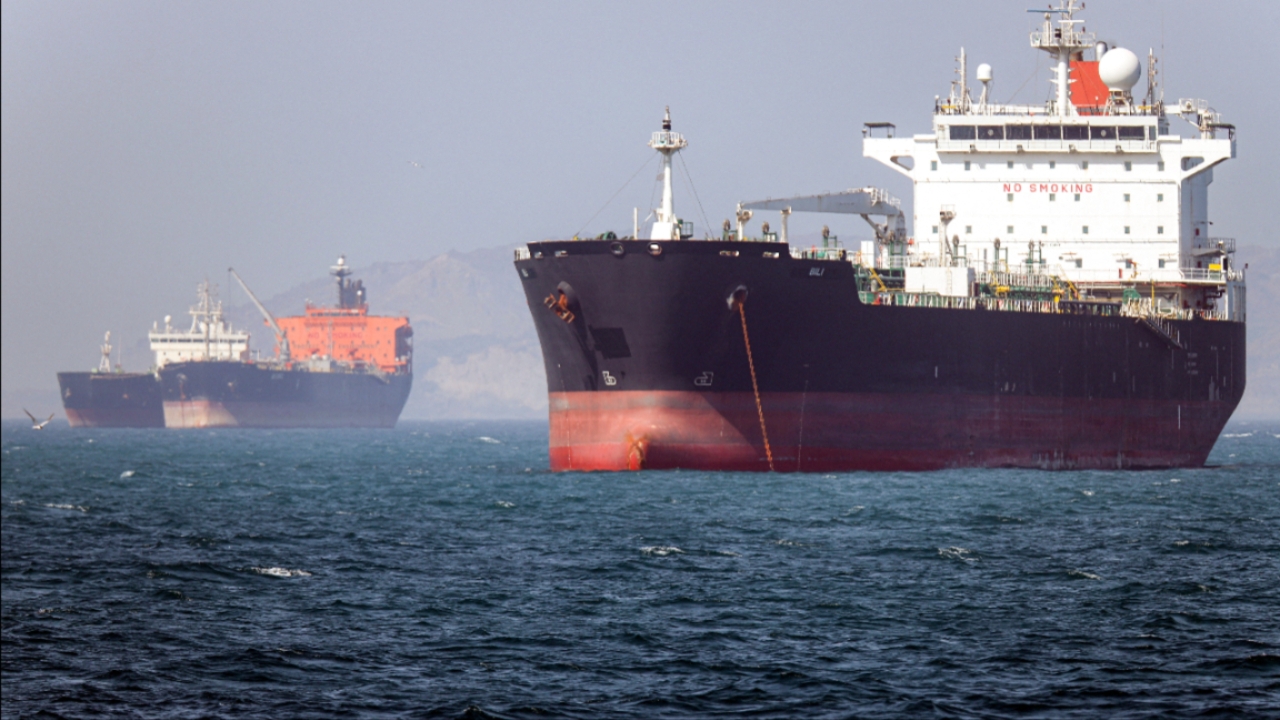
Global oil prices surged over 2% to reach their highest level in six weeks following continued U.S. attacks on Iran, while Houthi forces expanded their strikes on oil tankers in the Red Sea, increasing concerns about the global energy supply.
On 23 July 2026 GMT+7, foreign news agencies reported that global crude oil prices rose more than 1.5%, reaching their highest point in six weeks due to escalating conflicts in the Middle East, including ongoing U.S. attacks on Iran and Houthi assaults on oil tankers in the Red Sea.
Reports stated that Brent crude oil rose by $1.93, or 2%, to $96 per barrel—approximately 3,170 baht per barrel—marking the highest level since 8 June. This followed the previous day's close, which had increased over $3 to $94.07 per barrel.
Meanwhile, U.S. West Texas Intermediate crude rose $1.44, or 1.7%, to $88.27 per barrel, about 2,910 baht per barrel, after nearly a 3% jump in trading the day before.
Key factors driving oil prices include ongoing U.S. military strikes against Iran. The Iranian Islamic Revolutionary Guard Corps claimed full control over the Strait of Hormuz, warning that all ships must coordinate with Iran before entering or leaving the area. Previously, Iran threatened to deploy mines along southern maritime routes of the strait. Meanwhile, Yemen's Houthi rebels announced an expansion of military operations, threatening to attack Saudi oil tankers near the Bab al-Mandeb Strait and declaring a blockade of Saudi shipping lanes.
Source: AFP