

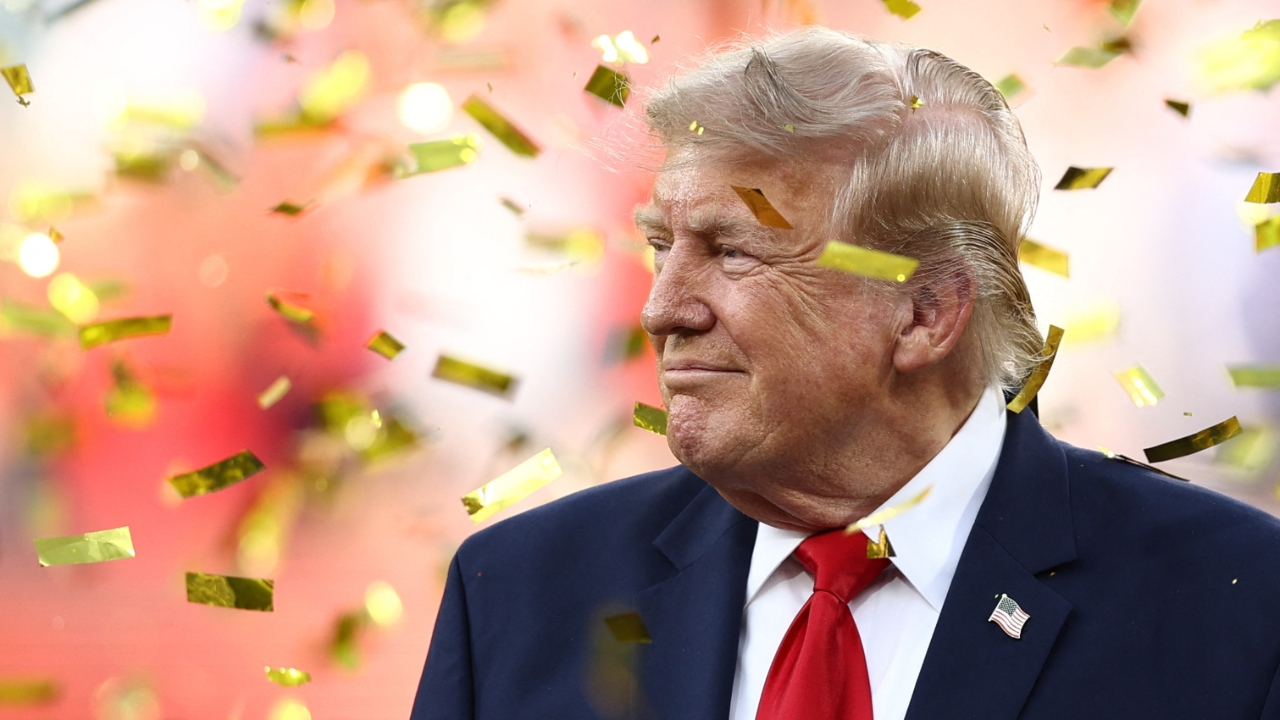
The Trump administration has ordered new customs tariffs on goods imported from 60 countries worldwide, including Thailand, at rates between 10% and 12.5%, citing these measures as penalties against countries that allow forced labor, which creates an unfair competitive advantage.
On Thursday, 23 July 2026, the U.S. government under President Donald Trump announced it would begin collectingnew customs tariffsat a maximum rate of 12.5% on imports from 60 U.S. trading partner countries, starting at 00:01 on Friday. The stated reason is as a penalty against these countries forinvestigations under Section 301which found they failed to suppress forced labor practices.
Most of the 60 investigated trading partners face a 12.5% tariff rate, including Thailand, Vietnam, and China.
However, a lower tariff rate of 10% applies to 17 countries that have some laws prohibiting forced labor, including Argentina, Bangladesh, Cambodia, Canada, Ecuador, El Salvador, Guatemala, Honduras, India, Indonesia, Jordan, Malaysia, Mexico, Pakistan, Sri Lanka, Trinidad and Tobago, and the United Kingdom.
Meanwhile, five other trading partners—including the European Union (EU), Taiwan, Japan, South Korea, and Switzerland—will face additional tariffs to adjust their most-favored-nation (MFN) tariff rates to 10% or 12.5%.
Certain exported goods are exempt from tariffs, such as oil and gas, products not produced in the U.S., goods whose tariffs would cause economic disruption, products where tariffs would not address unfair trade practices, and items like steel that are already subject to specific tariffs.
Additionally, many goods complying with the United States-Mexico-Canada Agreement (USMCA), a trade deal signed during Trump’s first term, are also exempt.
Senior government officials described this measure as "the most comprehensive international labor rights enforcement action ever undertaken by the U.S. or any country."
Officials told reporters that the Trump administration views forced labor not only as a human rights issue but also as giving countries that fail to enforce anti-forced labor laws an “unfair advantage” over the U.S., which strictly enforces such laws.
This represents President Trump’s latest effort to overhaul global customs tariffs after the Supreme Court earlier this year struck down his retaliatory tariffs on imports from all countries, ruling that he had illegally used emergency economic powers to impose those tariffs.
Almost immediately following the Supreme Court’s February ruling, Trump imposed a 10% tariff on most imports worldwide under a different law called Section 122, which grants the president authority to address balance of payments issues. However, this law’s authority lasts only 150 days.
The Section 122 tariffs expire at 00:01 on Friday, 24 July, and will be replaced by the new tariff measures issued under Section 301, which allows longer-term tariffs to counter unfair trade practices but only after investigations are completed. The U.S. Trade Representative (USTR) under Ambassador Jamison Greer just concluded such investigations this week.
Currently, the U.S. government is conducting several other Section 301 investigations that may lead to additional tariffs. One investigation recently triggered a 25% tariff on Brazil, and the U.S. has started probing 16 more countries for potentially unfair excess production capacity in their manufacturing sectors.
Follow international news:https://www.thairath.co.th/news/foreign
Source:cbsnews