

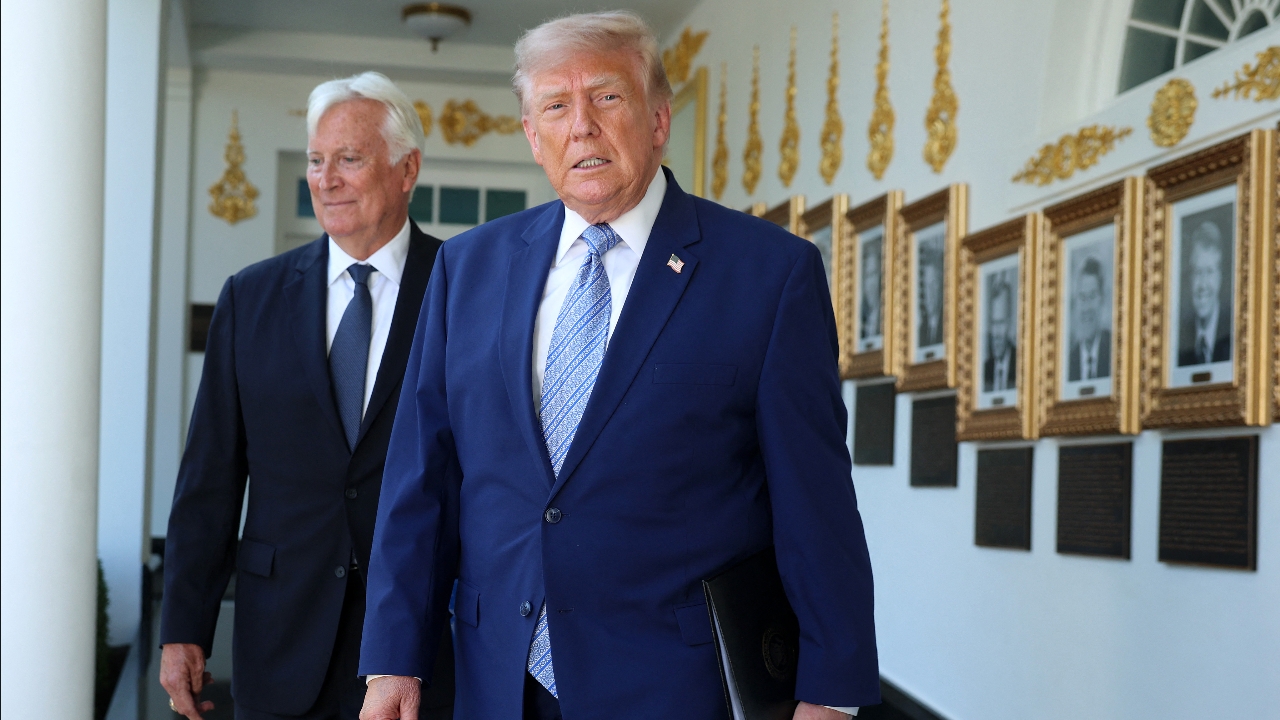
Several countries have criticized the new round of import tariffs imposed by Trump, citing efforts to combat goods made with forced labor. Brazil announced plans to retaliate, while Japan, Australia, and New Zealand expressed disappointment and opposition to the measures.
On 24 July 2026, foreign news agencies reported that multiple countries expressed dissatisfaction after the U.S. government, led by President Donald Trump, announced import tariffs of 10-12.5% on goods from 60 major trading partners. The U.S. claimed these countries had not taken sufficient measures to prevent imports of goods produced by forced labor.
Brazil, which was hit with a new 12.5% tariff, described the U.S. measures as "unreasonable" and "arbitrarily discriminatory," accusing the U.S. of using labor rights—a significant issue—as a tool to support trade barriers. Brazil also announced it would use retaliatory measures under the "Reciprocity Law" and consider expanding trade cooperation with other partner countries.
Earlier, the U.S. had imposed a 25% tariff on Brazilian goods including furniture, machinery, sugar, and several other items, while exempting some products such as beef and coffee.
The Japanese government expressed regret over the measures and affirmed that Japan's trade complies with international trade rules. Meanwhile, Australia's Trade Minister Don Farrell said the U.S. tariffs were "completely unjustified" and confirmed efforts to push the U.S. to remove all import tariffs on Australian goods.
New Zealand Prime Minister Christopher Luxon stated he was "deeply disappointed" after New Zealand and 59 other countries were subjected to the new U.S. import tariffs.
These measures took effect on Friday, 24 July, following the expiration of the previous 10% temporary import tariffs the U.S. had applied to foreign goods. This marks the latest development in the renewed global trade war since Trump returned to the White House in 2025.
The U.S. Trade Representative's office stated that these tariffs are authorized under Section 301 of the Trade Act of 1974, justifying them by saying many partner countries have not effectively enforced bans on imports of goods produced with forced labor. Countries that have committed to and implemented such bans face a 10% tariff, while those that have not or have done so inadequately face a 12.5% tariff.
Source: BBC