

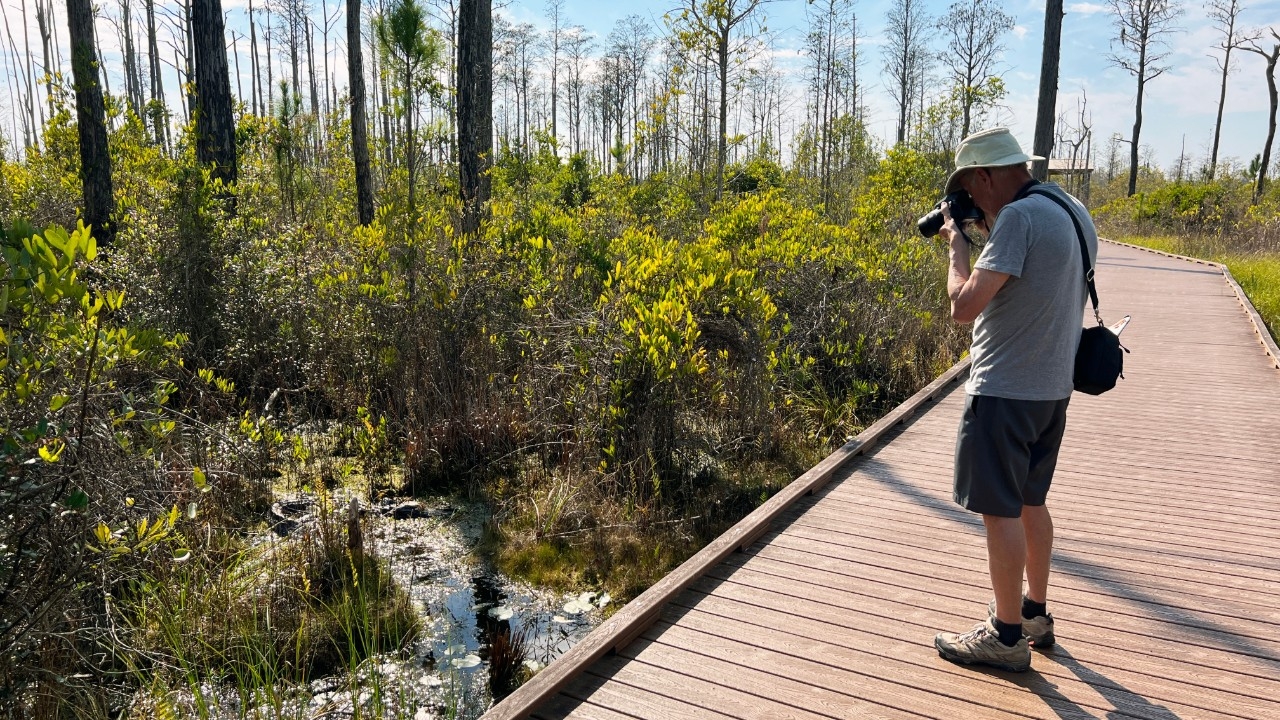
UNESCO has announced the registration of the Okefenokee Swamp in Georgia as a new natural World Heritage Site, praising it as one of the world's largest freshwater ecosystems and an important center of biodiversity.
On 27 July 2026, international news agencies reported that UNESCO's World Heritage Committee, meeting in Busan, South Korea, voted to inscribe the Okefenokee Swamp in Georgia, USA, as a new natural World Heritage Site. They noted that the Okefenokee Swamp is among the largest freshwater wetland ecosystems worldwide, covering extensive wetlands that serve as habitats for diverse species and are the source of two major rivers.
Additionally, the committee highlighted that the intact peat layers within the area preserve environmental records dating back approximately 5,000 years, making the swamp significant both as a global nature conservation site and as a valuable resource for studying long-term environmental changes.
Kim Bednarek, Executive Director of the nonprofit Okefenokee Swamp Park, which collaborated with the U.S. government on the nomination documents, said the designation is not an endpoint but a commitment to jointly conserve the Okefenokee Swamp's richness and sustainability for future generations.
This designation places the Okefenokee National Wildlife Refuge on the World Heritage list alongside other prominent U.S. sites such as the Grand Canyon. However, some local residents oppose the registration, fearing it could lead to increased United Nations involvement in managing the area.