

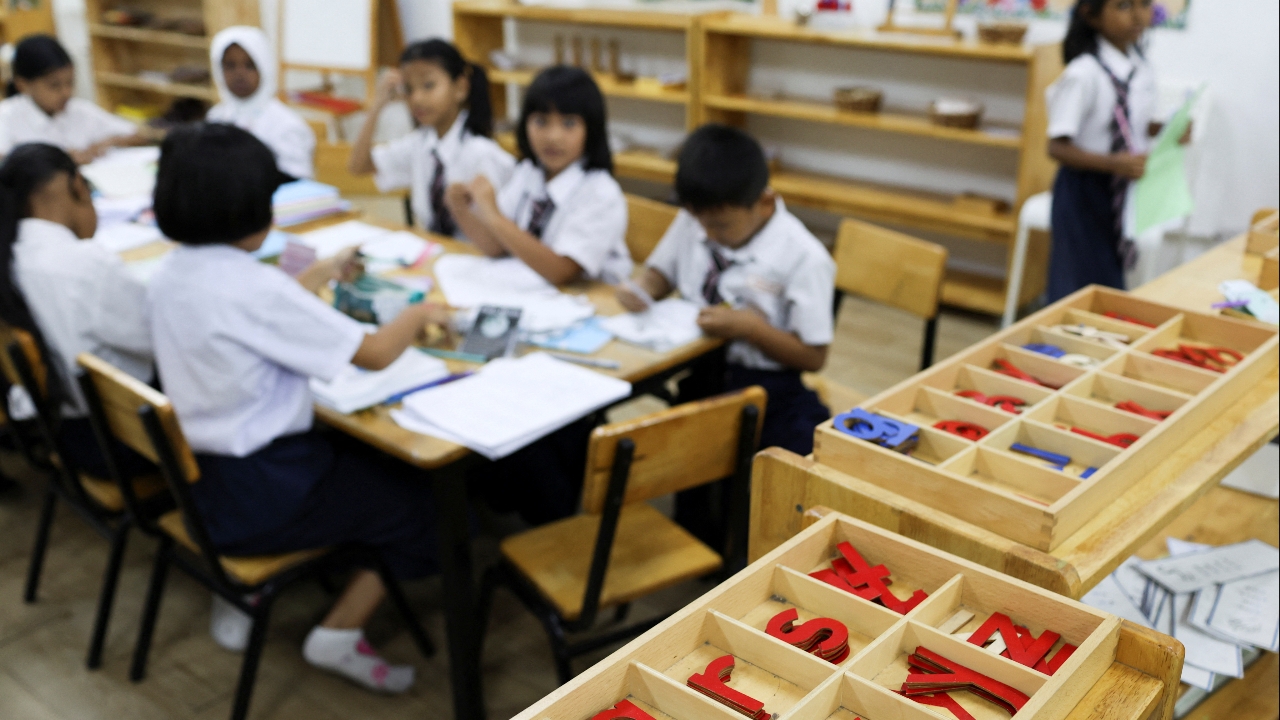
At least nine schools for Rohingya refugee children in Malaysia have had to close or been ordered to close after facing a wave of hateful rhetoric and misinformation on social media, resulting in many children being threatened, intimidated, and afraid to leave their homes. Human rights organizations warn that this situation may cause long-term psychological harm and worsen social problems.
Schools for Rohingya refugee children across Malaysia are facing a crisis as at least nine schools nationwide have closed amid a rapid spread of hateful rhetoric and misinformation on social media, which has targeted many refugee children with harassment and discrimination.
One affected individual is “Nur,” a 12-year-old Rohingya girl who has stopped attending school since June after being threatened by two men on her way to class, who asked, "Why go to school? Do you want to take over our country?" Her family requested anonymity for safety reasons.
Rohingya community activists report that many children are too frightened to leave their homes and warn that such intimidation causes not just temporary fear but has long-lasting psychological effects on the children.
Reuters investigations found that at least nine schools have suspended classes due to safety concerns or were ordered closed by authorities after being targeted online, with several schools accused of operating without licenses.
Malaysia does not officially grant refugee status to the Rohingya but classifies them as illegal immigrants, despite approximately 120,000 Rohingya registered with the UN Refugee Agency (UNHCR). Refugees lack legal work rights, and their children cannot access the public education system, relying instead on private or community-run schools.
The latest wave of anti-Rohingya sentiment intensified in May following the spread of misinformation about hygiene practices related to Islamic cattle slaughter rituals within the Rohingya community, with attacking messages and videos circulated on platforms like Meta and TikTok.
An online petition urging the government to expel Rohingya refugees gathered nearly 500,000 signatures before being removed in June following human rights group complaints. Some posts incited violence, and certain influencers encouraged followers to photograph Rohingya communities and report their locations to authorities.
The free speech rights group Article 19 stated that online hate has led to increased scrutiny and raids on Rohingya communities, with multiple schools ordered closed. However, the government has taken punitive actions rather than protecting human rights, exacerbating tensions instead of easing them.
UNHCR expressed concern over the rise in hateful rhetoric, misinformation, and dehumanization of Rohingya refugees, stating it will closely monitor the situation and support measures to reduce risks to both refugees and host communities.
Teachers at the remaining open schools have implemented various protective measures, such as banning uniforms, canceling outdoor activities, and limiting school information disclosures to avoid becoming targets online.
Activists warn that continued closure of Rohingya schools will cause many children to lose educational opportunities and may lead to serious social issues such as early marriage, homelessness, and street begging, further perpetuating cycles of poverty and social exclusion.
/sourceReuters