

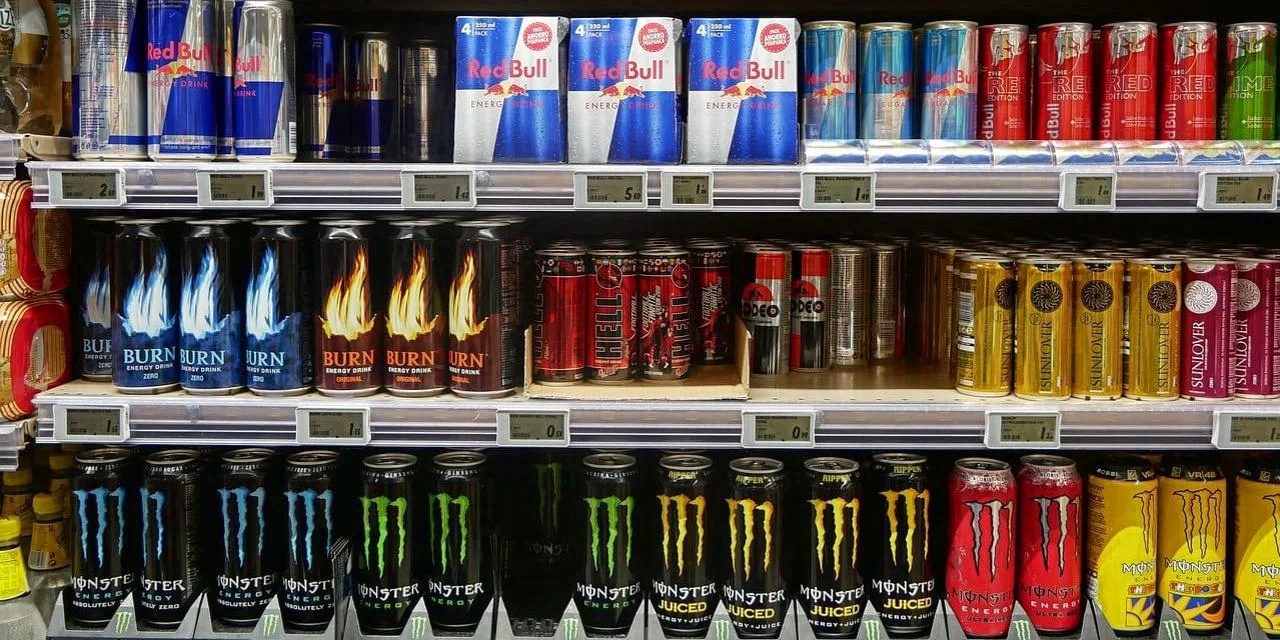
The Indian authorities have ordered all high-caffeine beverage producers, including global giants like Pepsi, Red Bull, Monster, Hell Energy, and Reliance, to cease using the term "Energy Drink" or similar phrases on product labels within 90 days after concerns that claims of boosting energy and revitalizing the body could mislead consumers.
The Food Safety and Standards Authority of India (FSSAI) has intensified its crackdown on the marketing of high-caffeine drinks, reaffirming its directive for major producers—Pepsi, Red Bull, Monster Beverage, Hell Energy, and Mukesh Ambani's Reliance—to promptly remove the term "Energy Drink" or similar product category descriptions from labels and advertisements.
A senior government source revealed that during a confidential meeting with top beverage industry executives, FSSAI CEO Rajit Punhani firmly rejected industry objections, stating that companies concerned about business or sales impacts could seek legal recourse. However, the meeting concluded with industry agreement to comply, and authorities set a 90-day deadline for label changes.
FSSAI's actions follow a warning notice stating that India lacks official certification or product standards for the "Energy Drink" category. Therefore, claims such as "restoring body and mind" or "relieving general fatigue" are regarded as misleading and deceptive to consumers.
This order has caused alarm among investors, as these beverages rely heavily on advertising quick energy boosts, exemplified by global slogans like "Red Bull gives you wings" or Pepsi India's Sting campaign, which promotes the drink as delivering a "lightning bolt of energy."
The Indian Beverage Association (IBA) sent a confidential letter to FSSAI expressing concern that this regulatory approach could harm brand reputations and urged a consultative regulatory process. Nonetheless, the authorities have proceeded decisively with the measure.
Since Pepsi launched the Sting brand in 2017, focusing on affordable plastic bottles priced at around 20 rupees (about 8-9 baht), the high-caffeine drink market in India has surged, gaining popularity among teenagers aged 15-19 and rural consumers. Euromonitor projects sales in India will reach $1.6 billion (approximately 56 billion baht) by 2028, growing at an average annual rate of 12.6%, outpacing the U.S. and China.
However, high levels of caffeine, sugar, and taurine have raised global public health concerns, similar to moves in the UK, which plans to ban sales of high-caffeine drinks to children under 16 from April next year, and some Pakistani regions requiring the term "stimulant drink" instead.
In Rajasthan state in northern India, officials have begun strict law enforcement by seizing thousands of bottles and cans of Sting, Campa Energy, and Red Bull. They have also issued orders to major e-commerce platforms—including Amazon, Flipkart, Blinkit, and Swiggy Instamart—to immediately stop using the term "Energy Drink" on their websites and apps.