

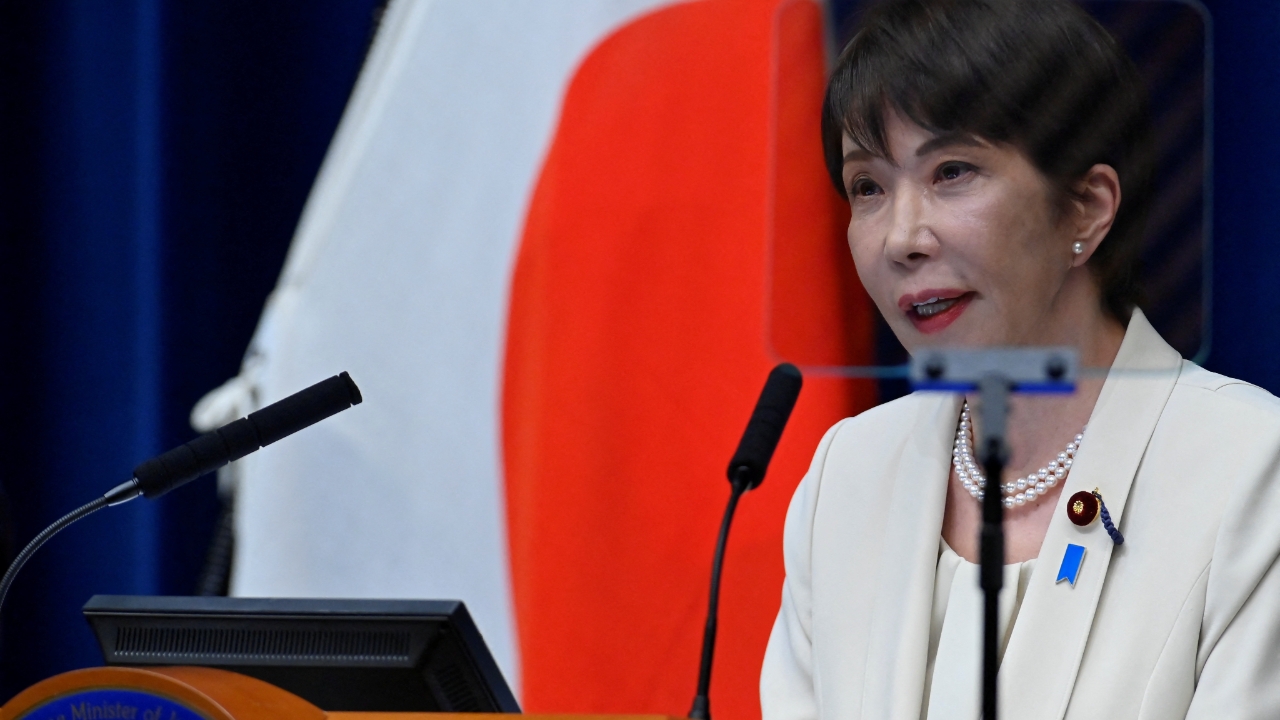
Japan is preparing to reduce the consumption tax on food and beverages from 8% to 1% for two years, starting next April. The government will also provide cash payments to low- and middle-income earners to help address the cost of living crisis.
On Thursday, 30 July 2026, Japanese Prime Minister Sanae Takaichi announced a reduction in the consumption tax rate for food and beverages from the current 8% to 1% for two years, beginning in April 2027. This marks the first time the tax has been cut since its introduction in 1989.
In addition to lowering the tax to 1%, the government will distribute cash payments totaling 600 billion yen annually to low- and middle-income individuals to compensate for the remaining tax, effectively reducing their tax burden to 0% in practice.
The government explained that the tax would not be reduced to 0% as initially promised because retail cash register systems would take too long to adjust to a zero rate. Instead, a 1% rate will be applied alongside cash handouts.
The prime minister emphasized that this tax cut is only a temporary measure, serving as a transition to a new income-linked welfare system scheduled to begin in fiscal year 2029, and pledged to restore the tax rate to 8% in 2029.
However, this measure raises concerns and challenges for the government, particularly the estimated revenue loss of about 10 trillion yen over the two years of the tax cut, which will affect fiscal stability and social welfare budgets.
Moreover, questions remain about the unclear funding source for this measure. Takaichi indicated the funds would come from "fiscal reforms" without resorting to issuing deficit-covering bonds but did not specify exact financing details.
Some members of the ruling Liberal Democratic Party (LDP) have opposed the plan. Former Foreign Minister Taro Kono warned that there is no guarantee food prices will actually fall, and prices might sharply increase once the tax reverts after two years.
Meanwhile, Yuka Obuchi, former head of the LDP’s election strategy, resigned from the tax working group in protest against the plan.
At the same time, Takaichi’s term as LDP leader ends in autumn 2027, so it is uncertain whether she will remain prime minister to oversee the tax restoration in 2029. Additionally, the upcoming upper house election in summer 2028 makes raising the tax a politically risky decision.
Follow international news:https://www.thairath.co.th/news/foreign
Source:japantoday