

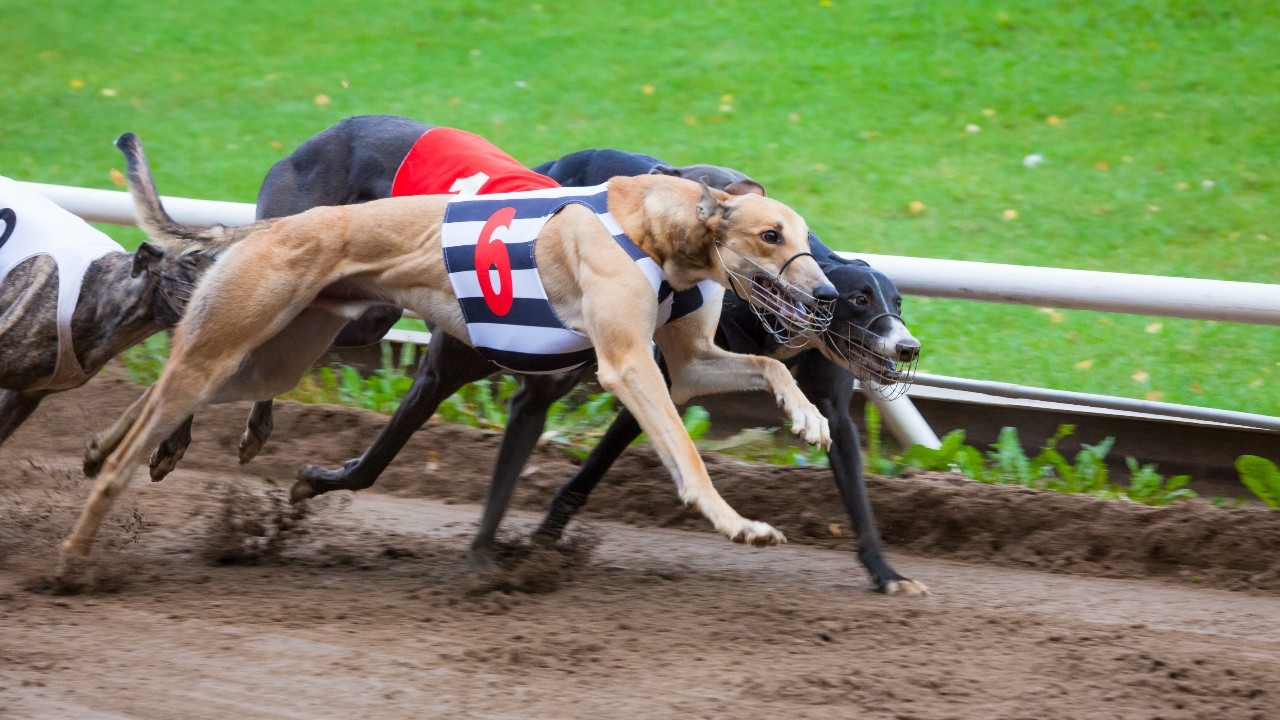
New Zealand officially started enforcing a law banning greyhound racing on Saturday, leading many trainers to urgently relocate their racing dogs to Australia, where most states still allow such competitions.
The BBC reported that at least two charter flights are planned to transport up to 150 greyhounds to Australia's eastern states so some dogs can keep competing after New Zealand’s greyhound racing industry shut down.
The New Zealand government first announced the greyhound racing ban in December 2024, then formalized it into law in April, citing that despite industry efforts to improve animal welfare, independent reviews in 2013, 2017, and 2021 consistently found unacceptable levels of injuries and deaths among racing dogs.
Winston Peters, New Zealand’s Minister for Racing, said that the greyhound racing sector has lost societal acceptance, and sending dogs to compete in Australia is merely a final effort by an industry that is ending.
However, Greyhound Racing New Zealand (GRNZ), the regulatory body, continues to dispute the government's assessment, asserting that New Zealand’s dog care standards are the best compared to other racing sports in the country.
Under the new law, about 1,400 greyhounds are expected to retire from racing and enter rehoming programs, with the government stating that most—around 1,300 to 1,400 dogs—will be cared for and gradually rehomed within the next two years.
GRNZ revealed that approximately 6 to 10 trainers plan to relocate and establish themselves in Australia, with the organization covering all charter flight costs; other expenses will be the responsibility of owners and trainers.
Edward Rennell, CEO of GRNZ, said that although some dogs will continue racing in Australia, their potential may decline because breeding of racing greyhounds in New Zealand has nearly halted since the ban announcement about 18 months ago.
While New Zealand has ended greyhound racing, the sport remains legal in nearly all Australian states, especially Queensland, New South Wales, and Victoria, where the industry was worth nearly AUD 2 billion during 2022-2023—far exceeding New Zealand’s AUD 147 million industry value.
Australian authorities classify imported dogs from New Zealand as pets, requiring them to undergo disease checks under biosecurity protocols, including rabies testing.
Although relocating dogs is a solution for operators, animal welfare groups in Australia express concern about the ongoing shortage of homes for thousands of retired racing greyhounds already in the country.
Mehreen Faruqi, a Green Party senator, voiced worries about loopholes allowing the export of racing dogs to Australia despite New Zealand having ended the sport.
Kylie Field, director of the Coalition for the Protection of Greyhounds, said that New South Wales alone currently has over 4,100 retired greyhounds awaiting homes, and the industry has previously sent some dogs to the U.S. and Canada to alleviate shelter overcrowding.
New Zealand’s ban on greyhound racing marks a significant turning point for the regional greyhound racing industry, while Australia faces ongoing questions about the future of the sport and animal welfare in the long term.
Source:BBC
Read more news aboutInternational News