

The governments of Japan and the United States confirmed a joint intervention in the foreign exchange market to support the yen after it sharply depreciated to its lowest level in nearly 40 years. This marks their first coordinated purchase of yen since 2011, with both countries declaring readiness to implement further measures if markets remain highly volatile.
The Japanese and US governments confirmed that they jointly intervened in the currency market to support the yen after it weakened to its lowest point in nearly 40 years last month. The scope of the intervention remains unclear, but this is their first joint action since 2011, when the US, Japan, and other G7 members collectively sold yen to halt its appreciation following a major earthquake.
Previously, the yen fell to 163.99 yen per US dollar, its weakest level since 1986, before strengthening after the intervention. On Friday, the yen appreciated to 157.40 per dollar and continued rising on Monday to 155.23 per dollar, leading markets to anticipate possible additional interventions soon.
Satsuki Katayama, Japan's Minister of Finance, stated that the joint action with the US Treasury aimed to address extreme volatility and abnormal yen movements over recent months. She emphasized that both Japan and the US assessed the situation and agreed that market intervention was necessary.
Scott Bessent, the US Secretary of the Treasury, said that the US is ready to join further market interventions with Japan if needed. He expressed support for Japan's financial and economic policies aimed at addressing the yen's significant undervaluation relative to fundamentals.
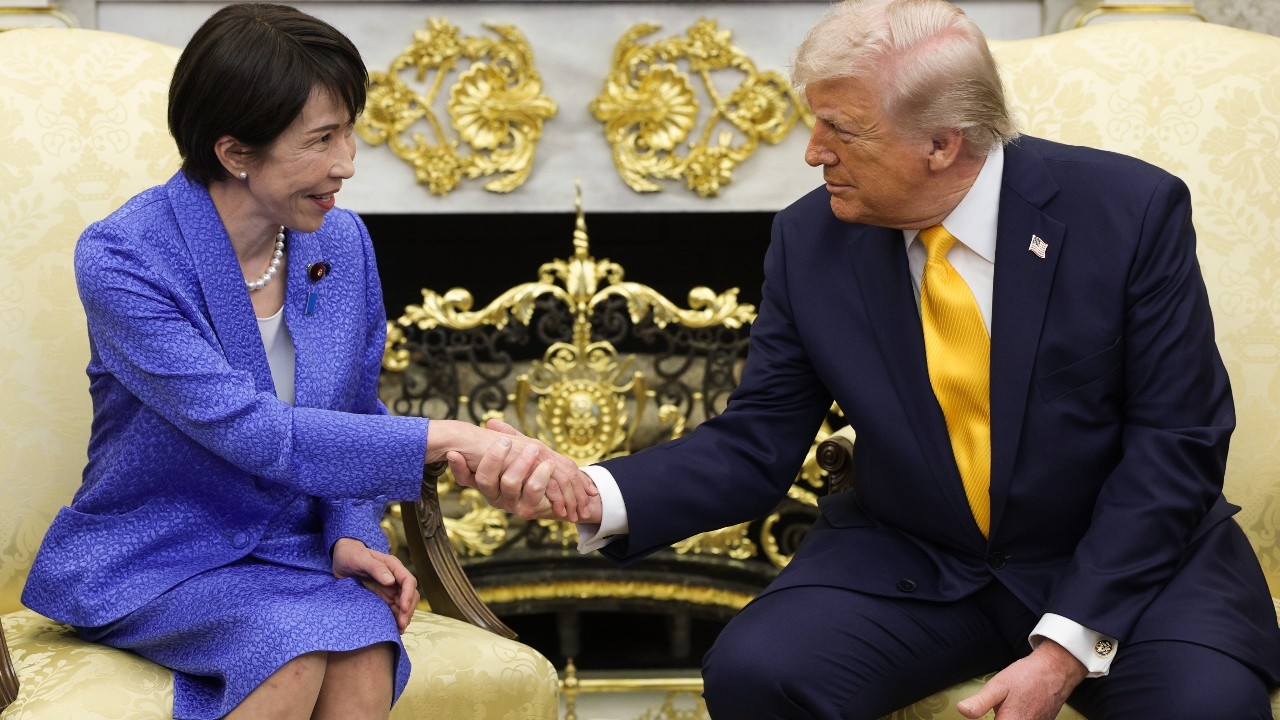
Meanwhile, President Donald Trump described the joint action as a "sign of friendship" between the two countries and beneficial to the global economy, reaffirming that the US stands ready to assist Japan whenever necessary.
This intervention occurred amid concerns over the yen's continued depreciation due to the large interest rate differential between Japan and the US. The Bank of Japan raised its policy rate to 1.0%, the highest in 31 years, but this remains significantly lower than the US Federal Reserve's rate range of 3.50-3.75%.
This interest rate gap has led many investors to employ carry trade strategies, borrowing low-cost yen to invest in higher-yielding foreign assets. This has resulted in capital outflows from Japan, putting ongoing downward pressure on the yen.
Additionally, Japan faces several structural challenges, including a massive public debt burden, a shrinking working-age population, low economic productivity growth, and reliance on energy imports priced in US dollars, all of which increase the yen's vulnerability.
Analysts from Oxford Economics noted that the US decision to join the intervention reflects Washington's view that stabilizing the yen and Japanese bond markets benefits the global economy and reduces risks that could raise US borrowing costs due to financial market turmoil.
Michael Wan, an economist at MUFG, believes that while the joint intervention can curb speculation and reduce currency volatility in the short term, a sustainable yen appreciation will require long-term changes in economic fundamentals and monetary policies in both Japan and the US.