

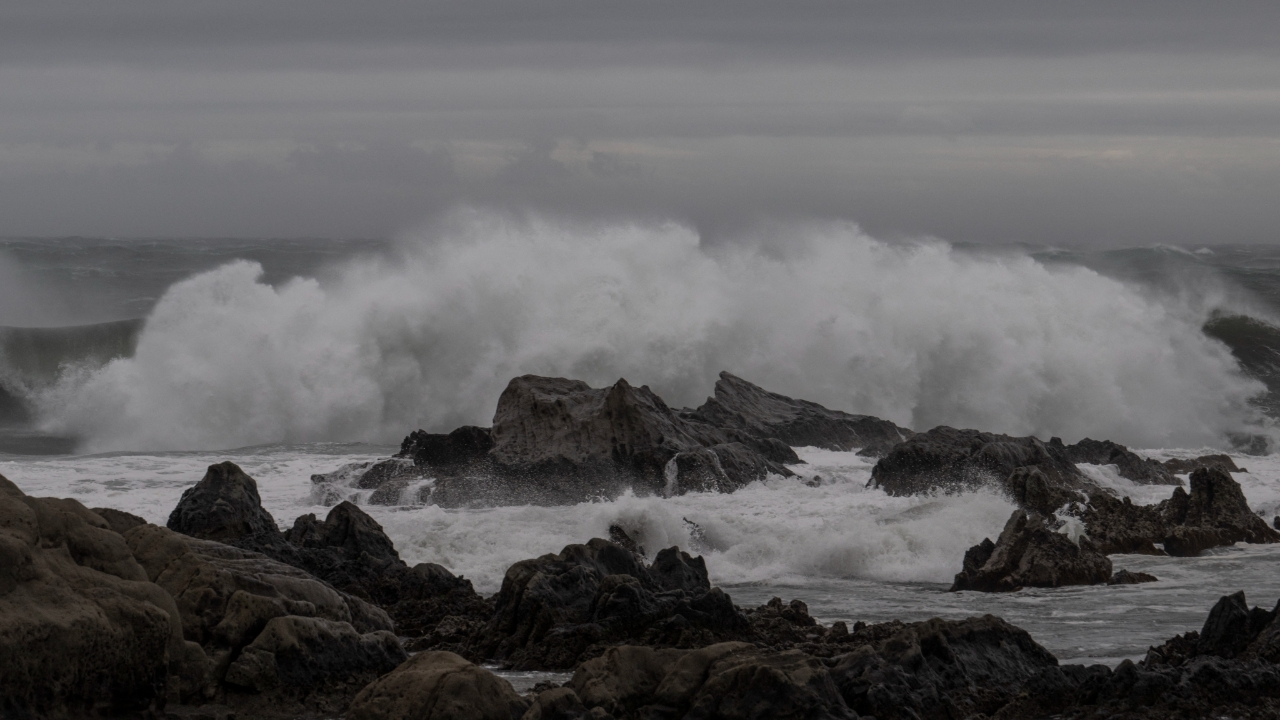
Typhoon Dolphin is approaching Okinawa and Amami in southern Japan, with expected maximum gusts of 216 km/h and waves reaching 9 meters high, while many areas are experiencing intense heat with temperatures hitting 39 degrees Celsius.
On 6 August 2026, NHK reported that the Japan Meteorological Agency issued a warning that Typhoon "Dolphin," a strong typhoon, is likely to approach Okinawa and the Amami Islands in southern Japan, urging residents to prepare for strong gusts, high waves, and heavy rainfall.
The Meteorological Agency stated that at 3 a.m. local time on Wednesday, the center of Typhoon Dolphin was located south of Japan, moving westward at about 20 kilometers per hour. The storm is moving away from the Ogasawara Islands but is expected to approach Okinawa and Amami with high intensity.
It indicated that Typhoon Dolphin is likely to move westward, causing strong sea winds around Okinawa on Wednesday, then impacting Amami on Thursday. On Thursday, maximum winds in Okinawa are expected to increase to 144 kilometers per hour, with gusts reaching 216 kilometers per hour, while Amami may experience maximum winds of 82.8 kilometers per hour and gusts up to 126 kilometers per hour.
Officials warned that some areas of Okinawa Prefecture may face damaging winds strong enough to cause destruction or collapse of some homes, recommending residents seek shelter in sturdy buildings or safe places before the winds intensify.
Meanwhile, Japan is also experiencing extreme heat, with temperatures rising in many areas, especially in the west on Wednesday. Kumamoto, affected by recent earthquakes, is expected to reach a high of 39 degrees Celsius, while Osaka and Saga cities may see temperatures as high as 38 degrees Celsius.
Previously, Japanese authorities issued a heatstroke warning covering 19 prefectures out of 47, from Niigata Prefecture down through the Kyushu region and Okinawa. They advised people to stay in cool places during the hottest times, drink sufficient water and electrolytes, and rest appropriately to reduce heatstroke risk.
Source: NHK