

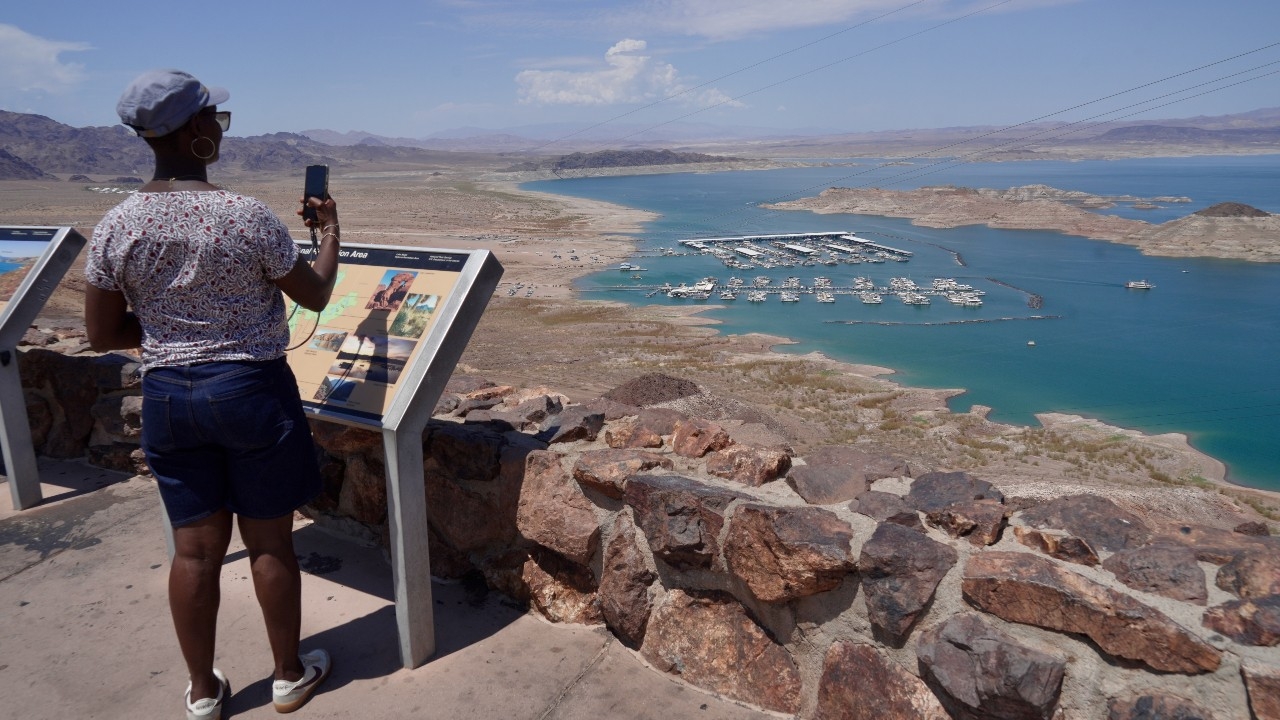
Water levels in Lake Mead, the largest reservoir in the United States, have dropped to their lowest since water storage began nearly 90 years ago amid severe drought. Historic lows in Rocky Mountain snowpack and excessive water use are affecting about 40 million people across seven U.S. states and Mexico.
The U.S. Bureau of Reclamation recently reported that water levels in Lake Mead, the nation's largest reservoir located on the border of Arizona and Nevada near Las Vegas, have declined to just 1,040.4 feet (approximately 317.1 meters) above sea level. This marks the lowest level ever recorded since the reservoir's inception around 90 years ago, breaking the previous record set on 28 February 2022.
J.B. Hamby, Chairman of the Colorado River Board of California, described the situation as critical and highly concerning. He noted that over three-quarters of the Colorado River basin population—around 30 million people—are directly impacted by risks to Lake Mead, emphasizing the urgent need for states relying on this water source to reduce consumption.
This crisis stems from chronic drought along the entire Colorado River, especially in its Rocky Mountain headwaters where snowmelt typically provides vital water. Last winter, the Colorado River basin's snowpack hit historic lows, placing immense strain on farmers, industry, wildlife, hydroelectric producers, and over 40 million residents across seven U.S. states, Native American tribes, and Mexico.
Years of excessive water use combined with drought and rising temperatures have caused Lake Mead and Lake Powell—the nation’s second-largest reservoir—to fall to their lowest levels in nearly 70 years. This has forced the closure, relocation, or reconstruction of several boat launch sites due to water levels becoming inaccessible.
To protect hydroelectric power generation, federal officials decided to halt cold water releases from Glen Canyon Dam in northern Arizona to safeguard the endangered native fish species, the Humpback chub. Meanwhile, the federal government proposed short-term reductions in water withdrawals to lower basin states—Arizona, California, and Nevada—after long-term negotiations among seven states including California, Colorado, Arizona, Nevada, New Mexico, Wyoming, and Utah failed to reach agreement.
The severe drought affecting Lake Mead, which stores water above Hoover Dam, impacts more than just water usage. It has previously led to the discovery of long-submerged human skeletons and compelled Las Vegas authorities to install deeper water pumping systems to supply millions of residents.
Additionally, reports indicate that among 54 reservoirs in the western United States managed by the Bureau of Reclamation, nine have reached their lowest water levels in 30 years. Forecast models predict that Lake Mead’s water levels will continue to decline throughout the remainder of this year.
/sourceAssociated Press