

The White House released a report stating that China uses third countries as transit points to export goods to the US to avoid import tariffs. More than 40 countries are involved, including Canada, India, Mexico, Japan, and South Korea. The US estimates it loses up to $26 billion, or over 860 billion baht, in tariff revenue annually.
On Thursday, 13 Aug, the US White House unveiled a new report accusing China of using a network of exports via third countries to circumvent US import tariffs. Over 40 countries were identified as facilitating this transshipment, resulting in US tariff revenue losses worth tens of billions of dollars.
Countries named in the report include Canada, India, Mexico, Japan, and South Korea. The White House stated that these actions allow China to avoid US tariffs worth tens of billions of dollars, impacting American employment and government revenue.
Peter Navarro, the White House trade advisor, told reporters that China uses more than 40 countries as channels to "launder" exported goods to evade US tariffs, calling this a "major transshipment scam" that has been ongoing for years.
The report explains that transshipping through third countries refers to transporting goods via another country before reaching the final destination. The US alleges China uses this method to conceal the true origin of goods—for example, shipping products to countries with lower US import tariffs, repackaging or partially assembling them, then sending them on to the US.
The White House stated that this practice causes Chinese-made goods to enter the US as if originating from other countries. It described the process as a “fraud covered by paperwork” and noted that the transshipment network’s scale and complexity have greatly increased.
Citing data from government and private agencies, the White House estimates that goods valued between $34.2 billion and $303 billion annually may be transshipped through third countries to avoid tariffs, with a midpoint estimate of about $75 billion per year.
Based on these figures, the US estimates that tariff evasion causes government revenue losses of approximately $19 to $26 billion per year, or about 630 to 860 billion baht.
Navarro revealed that the US Customs and Border Protection (CBP) has begun piloting artificial intelligence (AI) technology to help detect transshipment and prevent tariff evasion. Additionally, importers found falsifying product origins may face retroactive tax charges for about one year.
Navarro also warned that countries like India might be used as transit points for new tariff evasion schemes. The Trump administration plans to set conditions in new trade agreements to punish partner countries involved in facilitating transshipment to avoid tariffs.
A spokesperson for the Chinese Embassy in Washington, D.C., told the BBC that "trade wars have no winners," reaffirming China’s opposition to US tariff measures and the use of state power targeting Chinese companies. They added that unilateral actions or agreements related to goods transshipped through third countries should not target or harm other countries’ interests.
The White House report emerges ahead of President Donald Trump’s planned meeting with Chinese President Xi Jinping in Washington, D.C., in September, where this issue may become a key topic in bilateral trade talks.
Although the US and China agreed to delay most tariff increases after May 2025 negotiations, both sides continue retaliatory measures, including US restrictions on exporting humanoid robots and China tightening drone export controls.
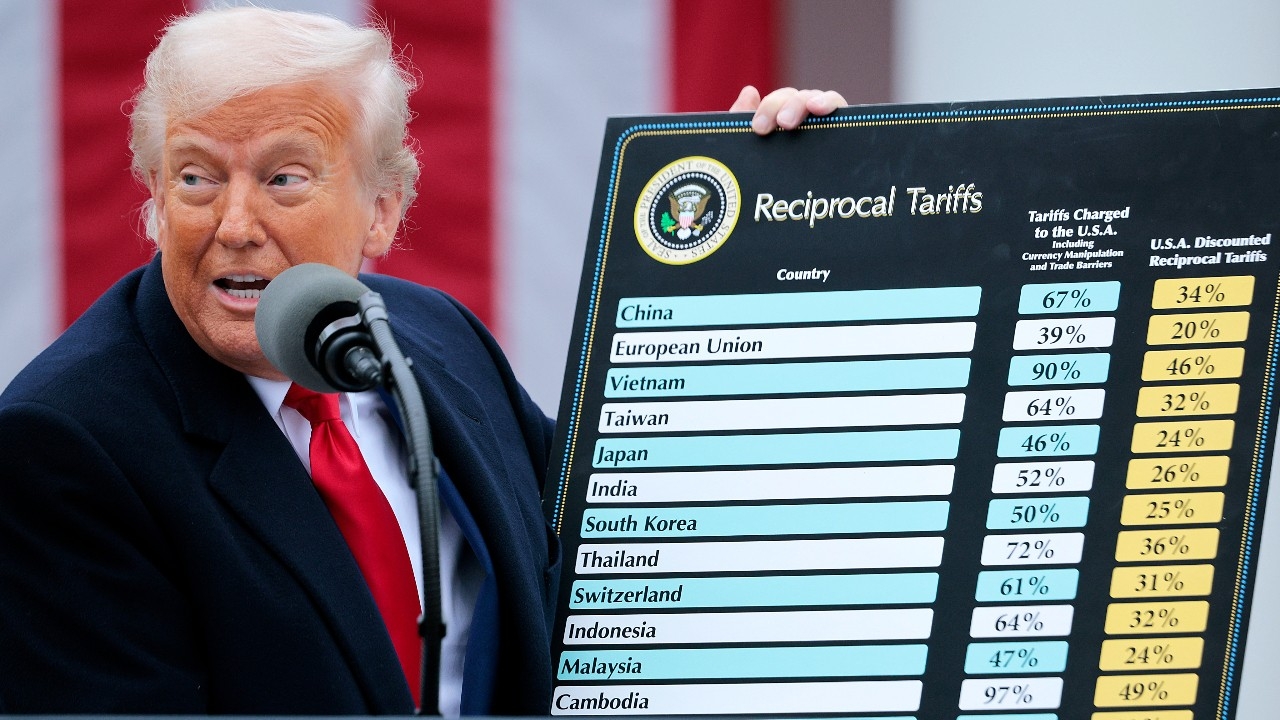
The Trump administration began imposing major tariffs on many trading partners in April 2025, citing protection of domestic manufacturers, job creation, and economic strengthening. However, these measures faced multiple legal challenges, with the US Supreme Court overturning some tariffs in February.
Despite the US importing more than it exports, recent data shows that this year’s US trade deficit stands at approximately $371 billion, down about $189 billion from the same period last year.