

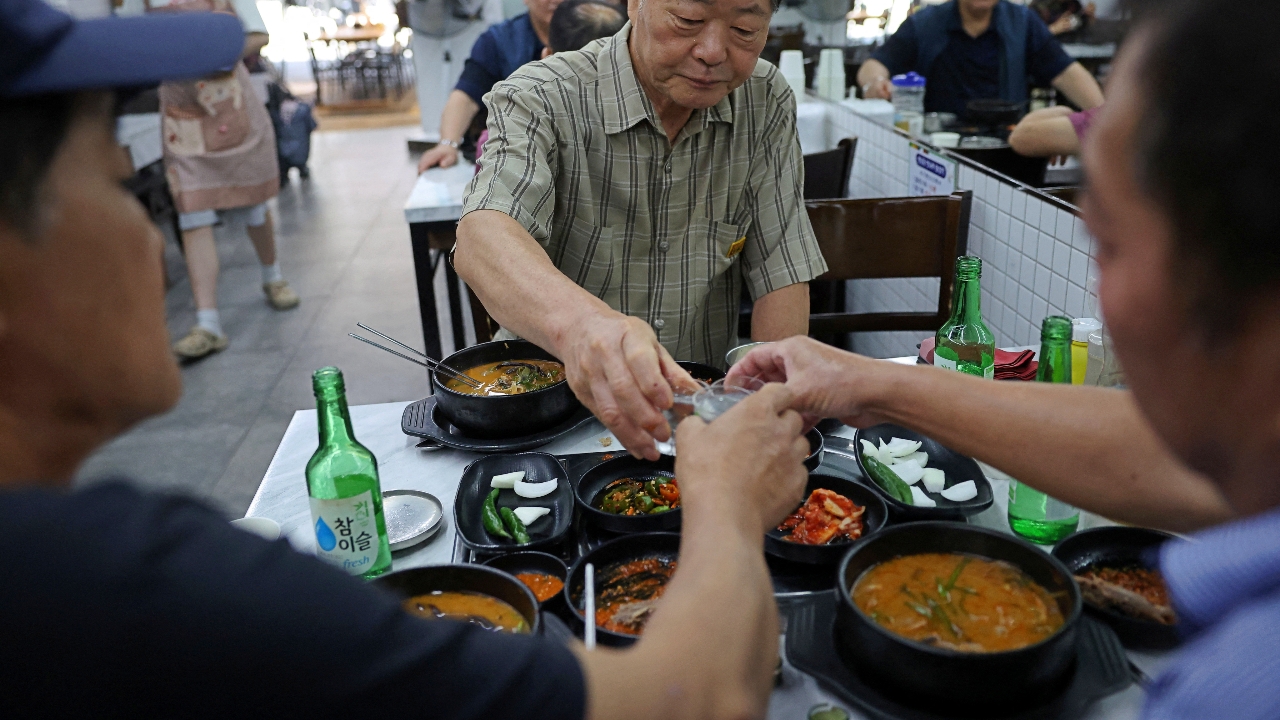
Some South Koreans traveled to eat "Bosintang," or dog meat stew, on "Boknal," a traditional day to fight the summer heat. This marks the last season they can legally consume it before the government enforces a nationwide ban on breeding, slaughtering, and selling dog meat starting February 2027.
Moran Market in Seongnam, once one of South Korea’s largest and most famous dog meat trading centers, was bustling with consumers shopping and dining during the third Boknal (복날) of 2026, a traditional day to combat the hottest part of summer with nourishing food. However, this year’s atmosphere carried a sense of "countdown" as it will be the last summer when vendors can legally sell dog meat dishes.
This change follows legislation passed by South Korea’s National Assembly in January 2024, which bans breeding, slaughtering, distribution, and sale of dog meat for consumption. A three-year grace period is allowed, after which serious penalties including imprisonment and fines will be enforced starting February 2027. The government has also prepared compensation and support to help businesses, farms, and shops transition to other livelihoods.
The ban on dog meat trade marks the end of a decades-old cultural practice, driven by a sharp rise in pet ownership and greater animal welfare awareness among younger generations. A 2024 survey of 2,000 people before the law’s passage found over 90% did not plan to consume dog meat in the future, more than 80% supported the ban, and nearly 95% had not eaten dog meat in the past year.
Additionally, government data shows more than 5,600 businesses will be affected by the law, though most dog farms have already begun closing ahead of the final ban next year.
Moran Market’s atmosphere has noticeably quieted. Many vendors have adapted by switching to selling "black goat stew," a traditional restorative dish, while the remaining customers ordering "Bosintang" are mostly elderly people aged 70 to 90 who still believe in its health benefits.
Lee Kang-chun, a restaurant owner with 37 years of experience and former president of the Moran Market Vendors Association, expressed mixed feelings. While he agrees that ending dog meat consumption is right for the country’s international image and evolving social values, he feels saddened seeing older customers travel far only to be disappointed by ingredient shortages. He continues operating his restaurant for regular patrons despite rising costs and minimal profit, urging the government to seriously assist elderly vendors in transitioning to other businesses, as sales from substitute dishes like black goat stew do not fully compensate for lost income.
Meanwhile, 69-year-old customer Yoo Jin-sam, who has eaten dog meat since his twenties, expressed regret. Though he loves dogs and accepts the government’s decision, he feels a sense of loss at no longer being able to enjoy this dish he believes is healthy. However, some customers like 71-year-old Kim Jin-suk view the removal of the dish differently, stating they have no particular attachment and that other foods remain available to maintain the tradition of summer nourishment.