

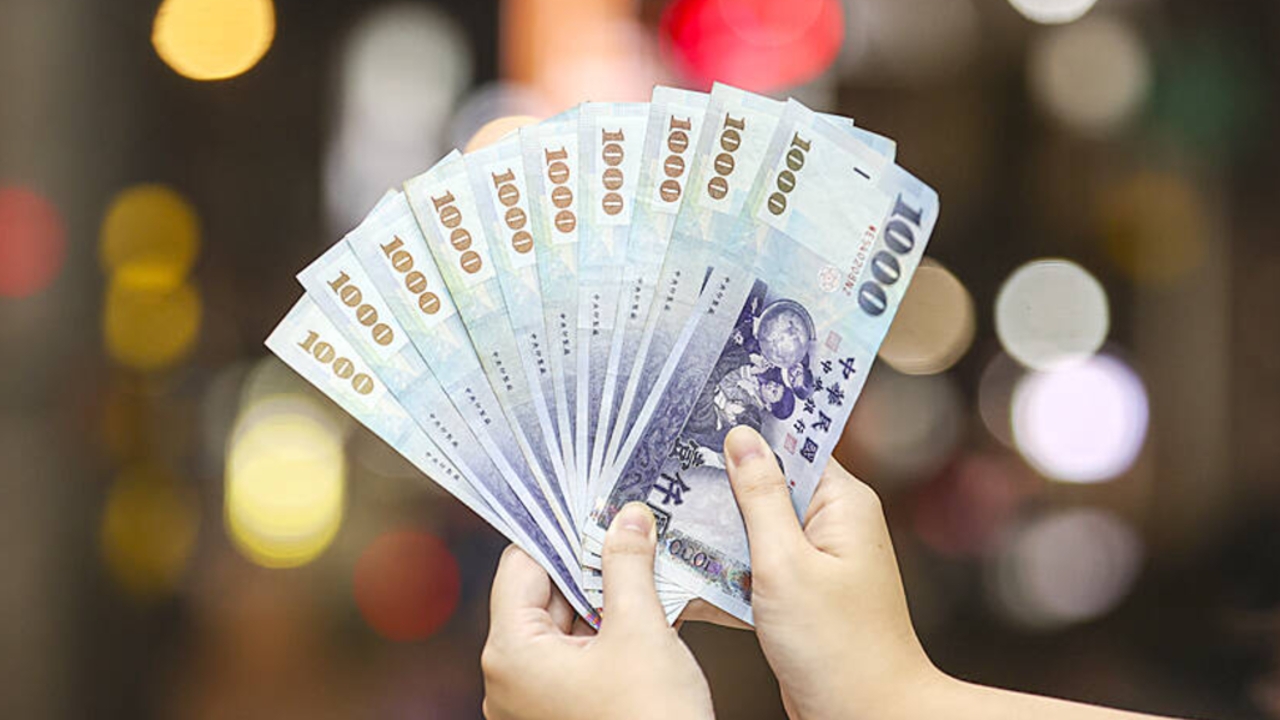
Taiwanese President Lai Ching-te announced the 2027 budget plan to distribute NT$10,000 in cash, roughly equivalent to 10,000 baht, to every citizen. This aims to allow all people to share the "dividends from AI" amid expectations of the strongest economic growth in 39 years. He also set the defense budget to exceed NT$1 trillion for the first time.
On Monday (17 Aug), Taiwan's President Lai Ching-te announced that the government will include a project in the 2027 central government budget to give every citizen NT$10,000, about 10,000 baht. This is to allow people to share in the economic benefits following Taiwan's strong economic expansion driven by demand for artificial intelligence (AI) related goods and services.
Lai revealed this at the presidential office in Taipei after receiving the second draft of next year's central government budget. He stated the government will increase spending by NT$235.7 billion (approximately US$7.4 billion) to support the cash distribution, while maintaining budget balance without needing to incur additional debt.
The Taiwanese president said the government decided to increase the budget to distribute NT$10,000 per person so everyone can benefit from what he called the "AI dividend." Individuals and families will be able to decide how to use the money, such as for education, elderly care, household expenses, or local business support.
However, the presidential office has not yet disclosed details about eligibility, payment methods, or the timeline for disbursement.
Taiwan previously implemented a similar NT$10,000 cash distribution in 2025 under a special budget aimed partly at helping people cope with US import tariffs and inflation. Eligible recipients then included Taiwanese citizens, foreign permanent residents, and foreign spouses of Taiwanese citizens with residence permits.
This latest announcement came after Taiwan's Budget, Accounting and Statistics Office raised its 2026 economic growth forecast to 11.05% from the previous 9.64% last Friday.
Lai stated Taiwan's economy grew 14.15% in the first half of this year and is expected to record its highest annual growth in 39 years. Key drivers include rising global demand for AI technology, high-performance computing (HPC), and cloud services, leading to increased orders, exports, and investment in semiconductors, information and communication technology, and Taiwan's production chains.
However, Lai warned that the economic gains are not evenly distributed, as many people work in services, traditional industries, and small to medium enterprises that do not directly benefit from the tech industry's growth.
Besides the cash distribution, Taiwan's government has outlined five key policy areas for 2027: family support, strengthening national security and defense, technology development, accelerating public infrastructure projects, and increasing support to local governments.
The government plans to allocate NT$373 billion for family support measures. Meanwhile, the total defense budget, including regular and special budgets, will rise to NT$1.1225 trillion—marking the first time Taiwan's defense budget surpasses NT$1 trillion and accounting for more than 3% of GDP.
President Lai said the government's goal is to care for all citizens and enable them to share in the economic growth benefits. He instructed the cabinet to prepare the budget draft on schedule and hopes the legislature will review it within the set timeframe.
This call came just three days after the legislature, where the opposition holds the majority, approved the 2026 central government budget following a historic delay.
The Kuomintang (KMT) and Taiwan People's Party (TPP), which jointly hold the legislative majority, cut NT$48 billion from the government's proposed budget before approving total expenditures of NT$2.9869 trillion.
/sourceFocus Taiwan/The Taipei Times