

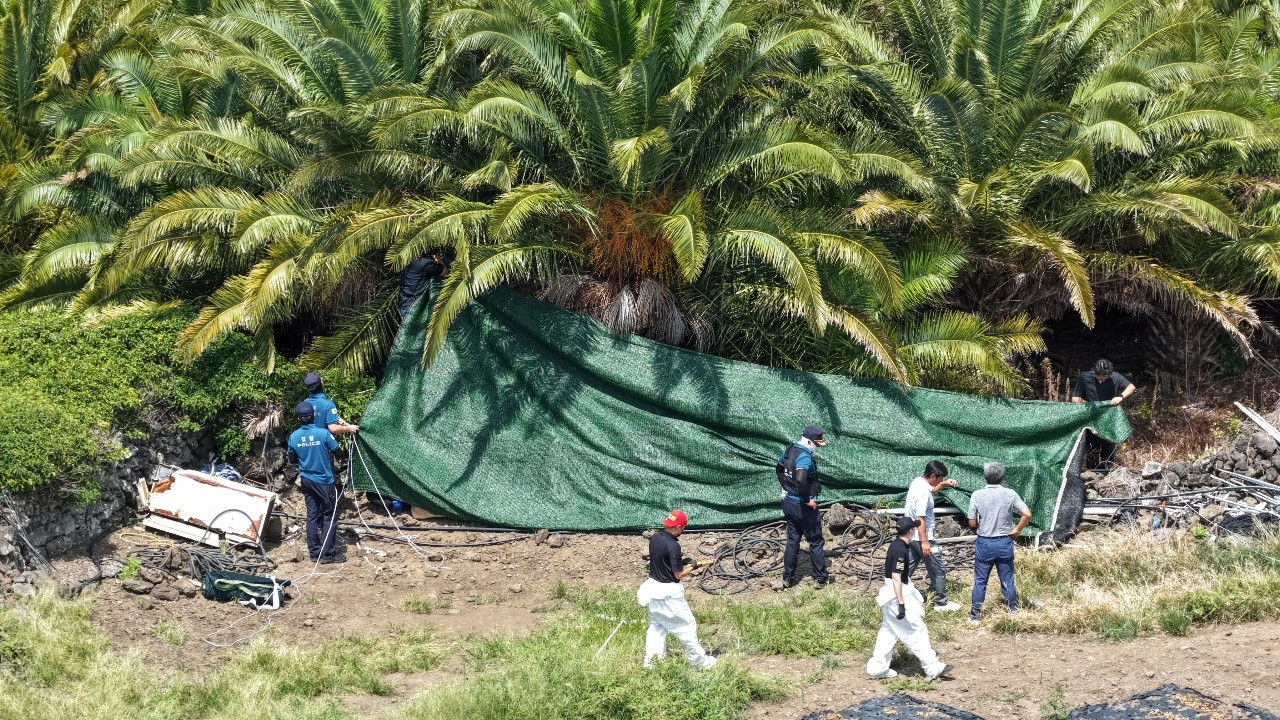
The missing persons cases on South Korea's Jeju Island have become a hot topic after it was discovered that a police officer closed cases by claiming contact with the missing individuals, even though no real communication occurred, before two missing persons were later found dead.
The missing persons issue on Jeju Island has become a shocking case attracting global attention. The matter escalated to the point where four senior police officers were suspended after it was found that a police officer closed missing persons cases claiming to have contacted the missing people without real communication. The South Korean National Police Agency (NPA) plans to investigate all missing persons cases previously handled by this officer and to review all previously closed missing persons cases nationwide.
Timeline of the Jeju Island missing persons case
28 June 2026 — A 60-year-old man goes missing
A 60-year-old man left home and lost contact with his family. Earlier, his wife had reported to police that he had significant business debts and had spoken to their children in a way that raised safety concerns.
This information later became crucial, as police already had warning signs about this man's risk.
19 July — Family reports another missing person
In the case of Jang Mi-ran, a 37-year-old woman, her family decided to report her missing again in Seoul after discovering that the Jeju police had closed her case without confirming her safety.
At this time, important evidence may have already been lost, especially CCTV footage near Jang Mi-ran’s residence, which was deleted before police began their investigation.
22 August — The 60-year-old man is found dead
The 60-year-old man missing since June was found deceased on 22 August.
The discovery of the body prompted police to reexamine how the missing persons case was handled and revealed that his case may have been closed similarly to Jang Mi-ran’s case.
22 August — Police detain "Boo"
Police detained officer Boo, in his 30s, from Jeju Seobu Police Station, accused of closing both missing persons cases.
He was alleged to have claimed he spoke with Jang and received confirmation that she was safe and did not want to disclose her location to her family.
However, police found no evidence of such communication on Boo’s personal or work phones, nor in Jang’s phone records.
24 August — Body believed to be Jang Mi-ran found
Authorities found a body believed to be Jang Mi-ran on a palm farm about 400 meters from her residence.
The body was discovered 104 days after her disappearance was reported.
At the same time, Jeju District Court ordered Boo's release, deeming the emergency detention did not meet legal urgency requirements, but police later filed an official arrest warrant.
25 August — Case escalates to senior police officers
The South Korean National Police Agency suspended four senior officers from Jeju Seobu Police Station: the current station chief, the chief during Jang’s disappearance, the head of investigations, and the team leader responsible for missing persons cases.
All are under review for whether they properly supervised Boo and if commanders bear responsibility for errors in orders or oversight.
Reviewing 298 missing persons cases
The issue extends beyond two cases, as police found Boo had handled and closed 298 missing persons cases.
Authorities are now reviewing all these cases to determine if others were closed without properly verifying the safety of the missing individuals. Following the incident, police in several South Korean cities have begun reviewing previously closed missing persons cases as well.
In Busan, 25,605 missing persons cases reported between January 2024 and July 2026 are under review; 25,376 cases—or about 99%—have already been closed.
Meanwhile, Seoul police are reviewing about 92,800 missing persons cases reported and closed since January 2024.
From missing persons cases to a major question about South Korea's police system
This case has raised public doubts about how operational-level police officers can close missing persons cases without truly confirming the safety of the missing, and why supervisors failed to detect irregularities earlier.
Acting commissioner of the South Korean National Police Agency Yoo Jae-sung apologized for the handling of Jang's case and ordered enhanced verification steps by senior officers before authorizing closure of missing persons cases.
Meanwhile, South Korean police are investigating whether other missing persons may have been overlooked due to systemic errors.
Source:Straits Times
Click to read related newsInternational News