

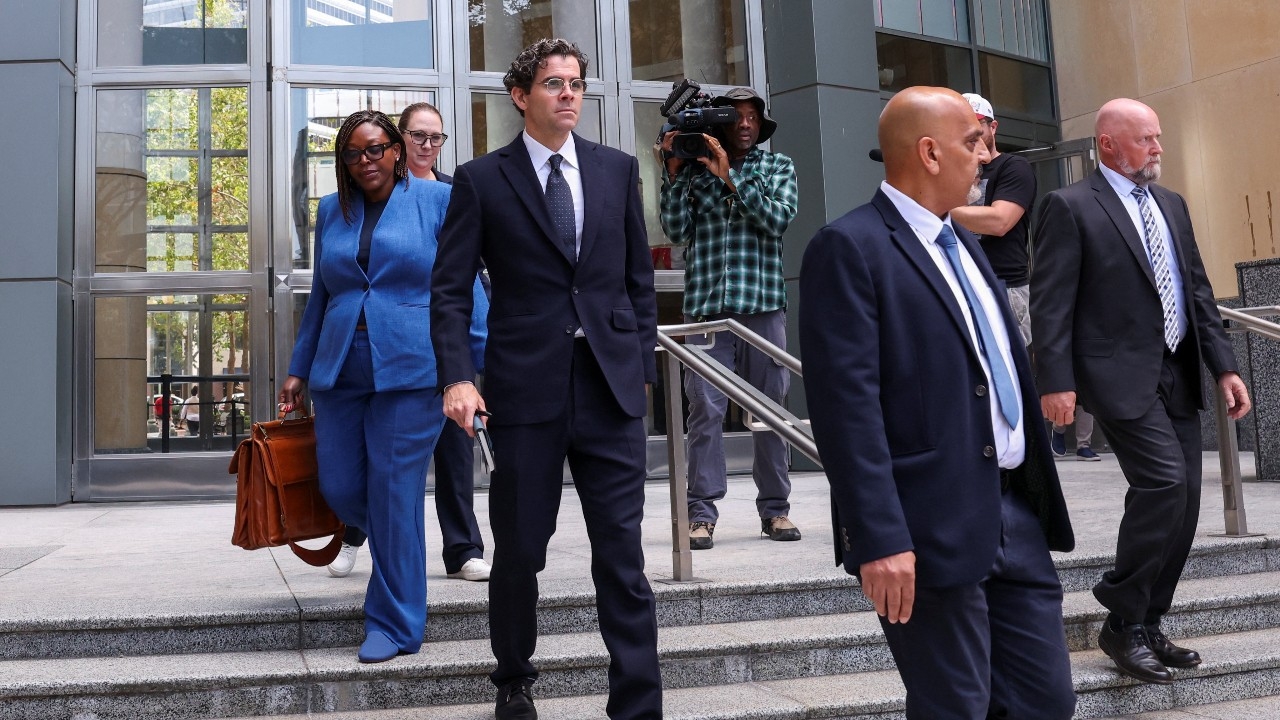
Adam Mosseri, Instagram CEO, testified in a U.S. court denying prosecutors' allegations that the company intentionally concealed teen safety features. He acknowledged that the "Take a Break" feature was used by only 1.8% of teens before Instagram made it the default setting in 2024, while 29 U.S. states accused Meta of designing the platform to be addictive and harmful to children.
Adam Mosseri testified before a federal court in Oakland, California, denying prosecutors' claims that Instagram tried to conceal negative information from the public regarding the effectiveness of its teen safety features.
Mosseri stated he never encouraged his team to hide information, affirming, "I did not try to encourage my team to conceal anything," and said he could not recall any time he promoted withholding information from his team.
Mosseri is the first senior executive from Meta, Instagram and Facebook’s parent company, to testify in this major case brought by 29 U.S. states. The lawsuit focuses on allegations that Meta deliberately designed its platforms to be addictive, enticing children and teens to spend extended time using them.
A key issue raised by prosecutors is the "Take a Break" feature, designed to encourage teens to pause using Instagram after browsing for a set period.
Jason Slothhauber, a prosecutor from Colorado, questioned the low adoption rate of the feature among teens, noting that initially only about 1.8% of teens activated it. While Mosseri had promoted the tool, he did not disclose this 1.8% figure publicly.
Mosseri responded that he publicly acknowledged the low adoption rate but was uncertain if he ever revealed the exact figure, emphasizing that the company does not disclose every statistic publicly.
At another point in his testimony, Mosseri admitted that before Instagram made Take a Break the default in September 2024, usage among teens was in the single-digit percentages. He acknowledged that "most teens did not want to use it," but the company decided to continue developing the feature.
Instagram launched Take a Break in December 2021. Mosseri stated in a company blog that initial trials showed over 90% of teens who activated the feature kept using it. The feature prompts users to close Instagram after continuous use for a set time.
Prosecutors also questioned a blog post Mosseri published one day before testifying before the U.S. Senate committee in December 2021. The post discussed raising standards to protect teens and support parents and announced the Take a Break feature.
When asked why he published the post at that time, Mosseri said Instagram had made progress on safety and wanted to share those advancements with the public.
Prosecutors asked Mosseri about "drumbeat messaging," a concept involving repeatedly communicating the same message to increase awareness and recall. Mosseri acknowledged knowing this approach and said repeated communication is necessary, especially to inform parents about safety tools, as the company needs to raise awareness about them.
The case covers broader issues beyond Take a Break disclosure. Twenty-nine states accuse Meta of violating federal laws by collecting and using personal data from children under 13 without parental consent.
Additionally, four states—California, Colorado, Kentucky, and New Jersey—allege Meta designed Instagram and Facebook to attract and keep children engaged continuously, potentially leading to mental health problems like anxiety, depression, and even suicide. They also accuse the company of misleading consumers about platform safety.
If the court finds Meta liable, the company could face civil penalties nearing $200 billion and be ordered to redesign Instagram and Facebook to enhance safety for children and teens.
Meta denies all allegations, stating it has a safety team striving to lead the industry in user protection standards. The company's research does not show clear evidence linking teen social media use directly to worsened well-being.
Before Mosseri's testimony, Francesco Fogu, Instagram's product design director, testified about safety data presentations prepared by the team in 2023. Fogu admitted that some data was omitted from one slide showing teens encountered bullying, suicide, hate, nudity, and violence content about 1.5 times more than adults.
However, when later questioned by Meta's lawyers, Fogu said those figures appeared on other slides in the presentation.
The trial also heard from Arturo Bejar, a former Meta safety engineer turned whistleblower, who accused Meta of a "don’t ask, don’t tell" approach to child safety issues on its platforms. Psychologists, former employees, and current staff have also testified.
The trial is expected to continue until September, with more key witnesses, including Meta CEO Mark Zuckerberg, expected to testify.
Mosseri previously testified in another case in Los Angeles in February, involving claims that Instagram and other social media are harmful to children. The jury ruled that Meta and Google were negligent in platform design and ordered both to pay $6 million to a 20-year-old woman who said she became addicted to Instagram and YouTube as a child.
Additionally, in early August, a New Mexico court ordered Meta to pay $567 million to support teen mental health initiatives after the state attorney general accused the platforms of being a public hazard.
The latest case in California is closely watched because its outcome could significantly influence how social media platforms for children and teens are designed and operated in the U.S.