

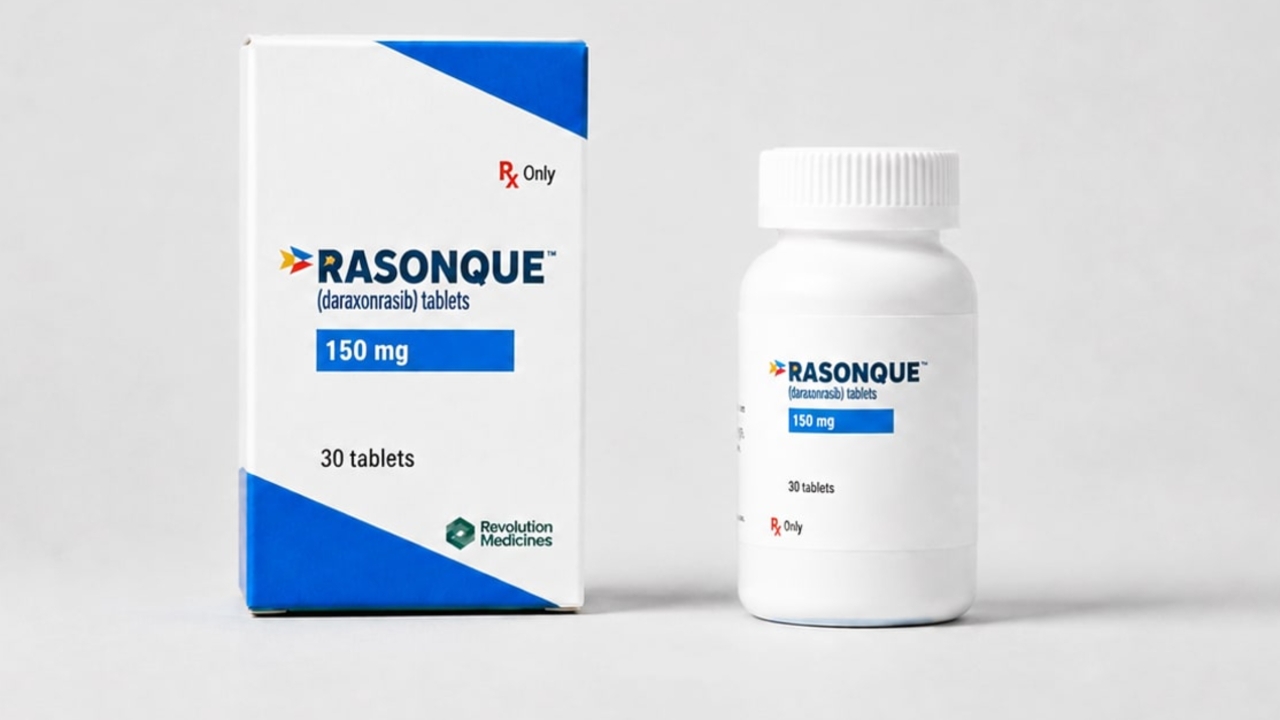
The US Food and Drug Administration (FDA) has approved a new drug called "Rasonque" (generic name daraxonrasib) for patients with advanced pancreatic cancer after clinical trials showed it nearly doubled the average survival time compared to standard chemotherapy treatment.
The US Food and Drug Administration (FDA) announced the approval of Rasonque (generic name daraxonrasib), a drug that inhibits the activity of mutated RAS proteins and genes, to treat adult patients with metastatic pancreatic adenocarcinoma—the most common type of pancreatic cancer—who have previously undergone chemotherapy or cannot tolerate multiple chemotherapy drugs. This approval came six and a half months ahead of schedule due to the drug's unprecedented clinical efficacy.
Rasonque, an oral medication taken once daily and developed by Revolution Medicines, works by targeting and inhibiting the abnormal activity of mutated RAS/KRAS proteins and genes, which are the primary drivers of pancreatic cancer cell growth found in 90% to 95% of patients.
Final phase clinical trials involving 500 adult patients demonstrated that those treated with Rasonque had an average survival time of 13.2 months, compared to only 6.7 months (or nearly 6.6 months) for those receiving standard chemotherapy.
Patients receiving Rasonque experienced severe side effects in only 44% of cases, compared to 57.5% in the chemotherapy group. Common side effects included rash, diarrhea, mouth inflammation, nausea, fatigue, vomiting, abdominal pain, edema, decreased appetite, and bleeding disorders.
Each year, about 67,000 people are diagnosed with pancreatic cancer in the US. Although it accounts for only 3.2% of all cancer cases, it has a very high mortality rate because it is often detected at an advanced stage and responds poorly to treatment. More than half of patients typically die within just three months of diagnosis.
Dr. Angelo De Claro, Director of the FDA's Oncology Center of Excellence, stated, "This drug has demonstrated unprecedented treatment results in a disease area with very limited treatment options. This rapid approval reflects the FDA's commitment to expediting the availability of life-threatening disease therapies to patients as quickly as possible."
Additionally, Rasonque received several FDA designations, including Breakthrough Therapy, Orphan Drug, Priority Review, and participation in the National Priority Review Voucher program, which supports drugs addressing national public health priorities. Former US Senator Ben Sasse, diagnosed with stage 4 pancreatic cancer, participated in the drug trial and reported that the medication significantly reduced the size of his tumor.