

The Donald Trump administration has warned universities nationwide in the U.S. to tighten approval processes for foreign student internships (CPT), emphasizing that internships must genuinely be part of the curriculum. It warned that institutions found violating these rules may lose the right to enroll international students, leading prestigious universities such as UCLA and UC Berkeley to immediately suspend some internship approval procedures amid concerns students might opt to study in other countries instead.
The U.S. Department of Homeland Security (DHS), together with Immigration and Customs Enforcement (ICE), issued a memorandum dated 24 Aug to colleges and universities nationwide stating that the Student and Exchange Visitor Program (SEVP) has detected an unusual surge in approvals of "Curricular Practical Training" (CPT) that appear to violate regulations allowing internships only when the work is an "integral and unavoidable part of the offered curriculum."
Under the new regulations, foreign students will only be approved for internships if the employer has a formal agreement with the university, and the internship must be a mandatory requirement for all students enrolled in that field—both American and foreign. This contrasts with previous policies that allowed students flexible use of CPT to gain summer work experience.
A spokesperson for the Department of Homeland Security stated, "Schools and employers should understand that under President Trump's administration, exploiting or abusing this generous system will no longer be tolerated, and institutions that fail to comply may lose their authorization to enroll international students."
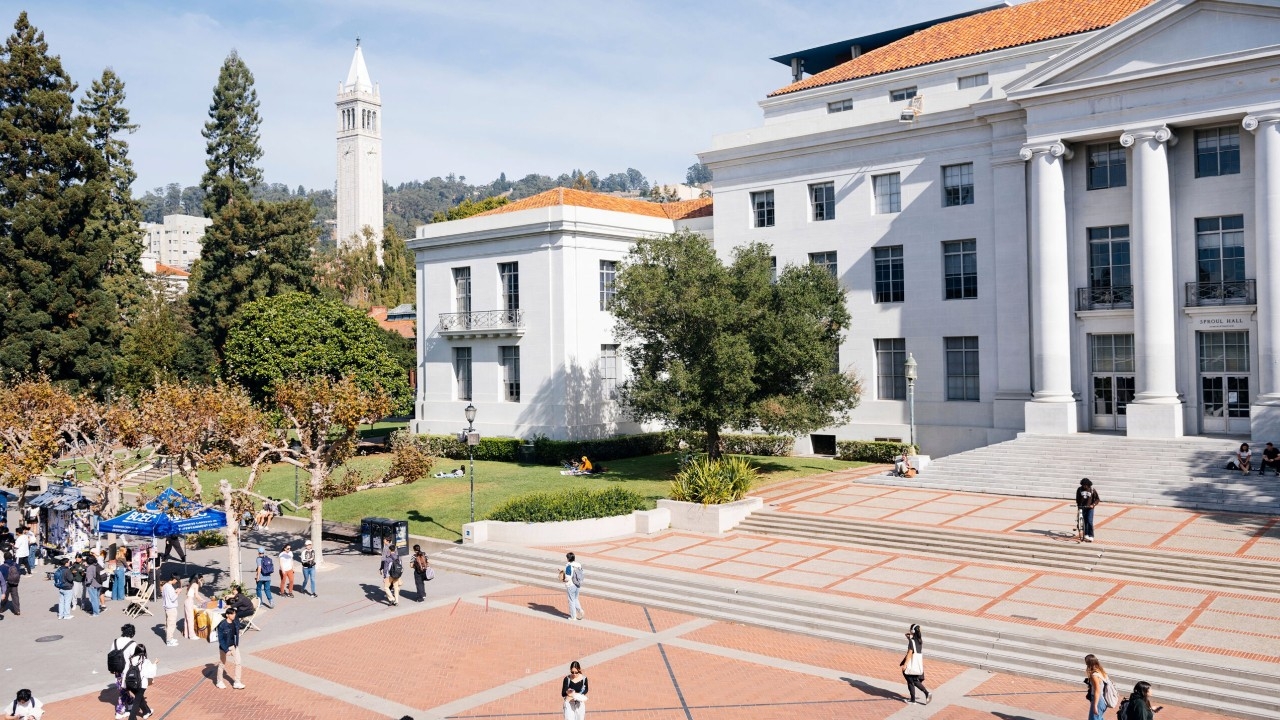
Following this announcement, leading universities such as the University of California, Los Angeles (UCLA), University of California, Berkeley (UC Berkeley), and the University of Illinois Urbana-Champaign have temporarily suspended approval of some CPT requests to conduct detailed legal reviews.
Ivor Emmanuel, Director of International Relations at UC Berkeley, warned that the new restrictions could reduce foreign students' interest in studying in the U.S., since actual internship opportunities with employers are among the most important factors influencing their choice of institution. Data from the Institute of International Education (IIE) shows that new foreign student enrollments in the U.S. fell by 17% last fall.
Meanwhile, foreign students such as Sandra Ting, a Chinese student at UC Berkeley who pays tuition of up to $75,000 annually, revealed that if she had known about these measures beforehand, she might have chosen to study in Singapore or the United Kingdom instead.
Restrictions on CPT internships are only part of the Trump administration’s tougher immigration policies. Previously, the government ended the "Duration of Status" system, which allowed students to stay until graduation, and now requires foreign students to renew their visas every four years—even if enrolled in doctoral programs lasting five to six years.
Additionally, the Trump administration is considering imposing fees as high as $100,000 (approximately 3.2 million baht) on employers wishing to hire recent graduates through the Optional Practical Training (OPT) program. If implemented, this is expected to prevent most foreign students from finding employment after graduation, forcing them to return to their home countries.
At the same time, the U.S. Department of Justice has continued investigations and filed charges against several universities, including the George Washington University School of Medicine, alleging that their admissions policies favor applicants from minority groups such as Black and Hispanic individuals. The universities have denied these allegations. Furthermore, the Trump administration has revoked visas of students who participated in protests against the Gaza war, accusing them of racial discrimination and supporting extremist groups.