

Nicaragua's National Assembly voted to approve constitutional amendments that disqualify opposition parties from running in elections and extend the presidential term from six years to seven. This move has been condemned by the United States, the European Union, and the United Nations, while opposition groups fear it opens the door for the country's ruling family to maintain their grip on power.
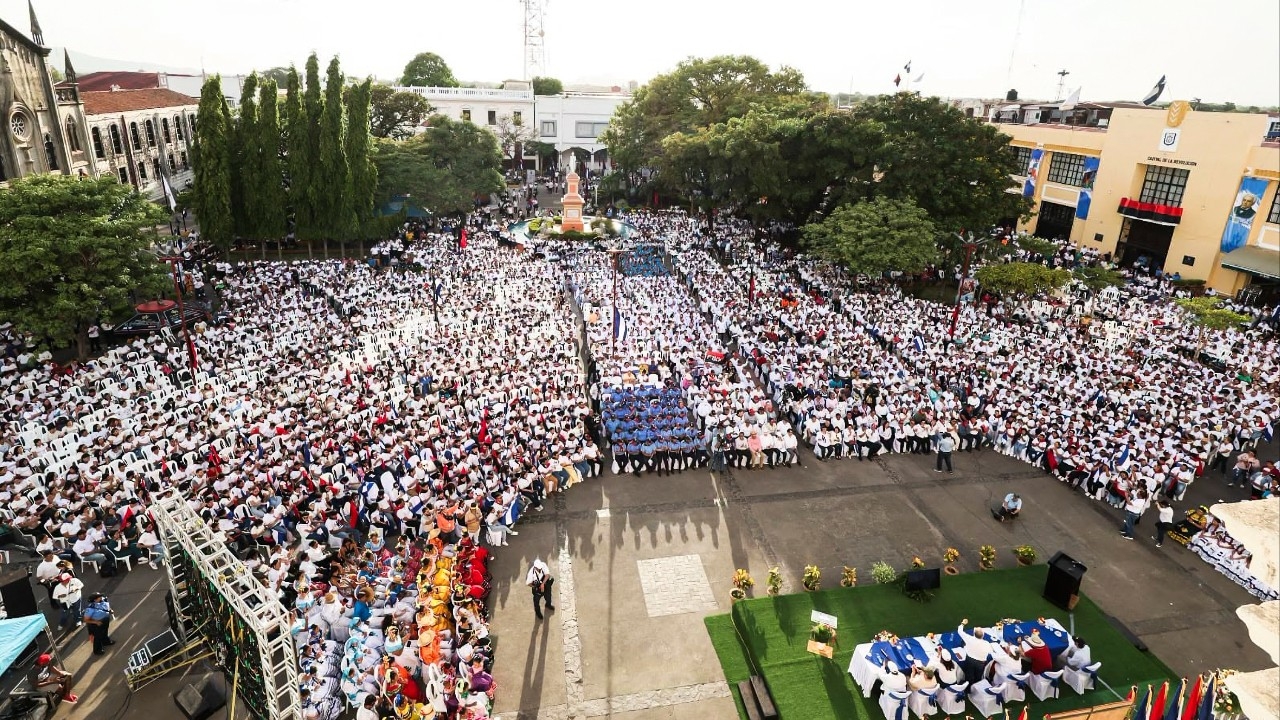
The Nicaraguan parliament, controlled by the ruling party, approved constitutional amendments that outright ban opposition political parties from participating in elections. Additionally, the amendments extend the terms of the president, vice president, and commanders of the military and police from six years to seven. Gustavo Porras, president of the National Assembly, announced the vote results during a special session held in front of the cathedral in León, northwest of Managua.
The constitutional amendments specify that those opposing the government and involved in planning or attempting coups are barred from running for office. The presidential term is extended from six to seven years, as is the term for the vice president, elected officials, and commanders of the armed forces and police.
The amendments have been supported by the co-presidents Daniel Ortega and his wife Rosario Murillo, who jointly govern the country. Ortega, aged 80, has been in power since 2006 and stated in July that Nicaragua would hold no further elections to prevent the opposition from regaining power.
Previously, in 2024, the ruling party amended the constitution to extend the presidential term from five to six years, elevated Murillo from vice president to co-president, and postponed the presidential election originally scheduled for this year until late 2027.
The United States, European Union, and United Nations have criticized the constitutional amendments. Meanwhile, opposition members in exile warn that these changes may be an attempt to institutionalize power succession within the Ortega-Murillo family.
The constitutional amendments must be approved again in a vote during the second legislative session, scheduled to begin in January 2027, before they take effect.
Nicaragua has faced a major political crisis since 2018, when the government suppressed anti-government protests, resulting in over 300 deaths, thousands of injuries, and a large number of people fleeing the country. Meanwhile, the political space for domestic opposition has steadily diminished.
/Reuters/ AFP