

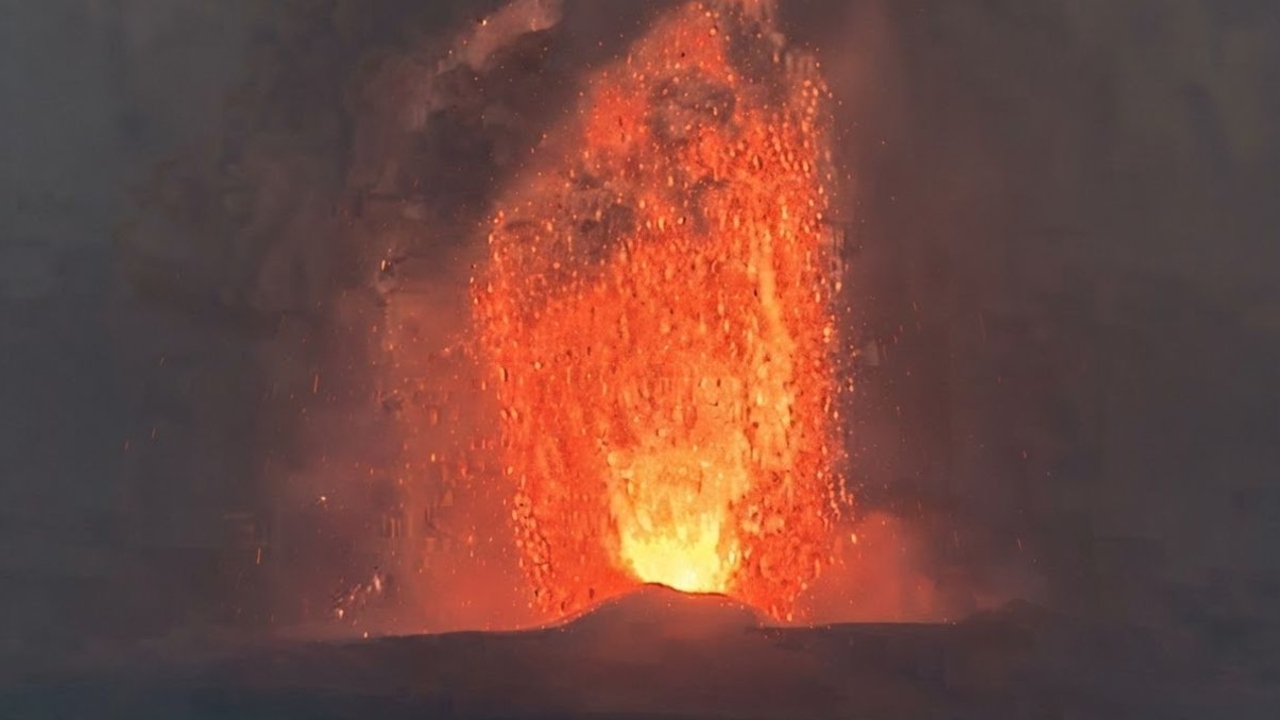
The Anak Krakatoa volcano in Indonesia erupted violently, sending volcanic ash soaring up to 15,200 meters high, spreading over several provinces including Jakarta and Sumatra. As a result, Soekarno-Hatta International Airport announced a temporary suspension of all flights. Authorities have maintained an alert level 3, banning entry within a 3-kilometer radius and advising people to wear masks to protect their respiratory health.
The Indonesian Geological Agency (PVMBG) reported that Anak Krakatoa, located in the Sunda Strait between Java and Sumatra islands, remains highly active after erupting since Friday, 4 September 2026, with another eruption at 03:53 on Sunday, 6 September, lasting about 30 seconds.
So far, there have been no reports of deaths or injuries, and no evacuation orders have been issued since the nearest communities are more than 16 kilometers from the volcano. However, PVMBG warns residents and tourists to avoid activities within a 3-kilometer radius of the eruption center.
Heruningtyas Desy Purnamasari, head of PVMBG's volcano observation team, stated that Anak Krakatoa remains at alert level 3, or watch level, with no signs that eruption risks are diminishing. Residents should prepare for hazards from lava, hot lava fountains, pyroclastic flows, and volcanic ash.
Analysis of Himawari-9 satellite images and coordination with Australia's Darwin Volcanic Ash Advisory Center detected at least two volcanic ash plumes in the atmosphere.
The first plume is at an altitude not exceeding 20,000 feet (approximately 6,000 meters), with its direction changing according to wind conditions. It has recently moved northeast to south, covering parts of Jakarta, Banten province, West Java, and surrounding waters.
The second plume reaches up to 50,000 feet (about 15,000 meters) and moves from southwest to northwest, covering parts of Banten, Lampung, Bengkulu, southern Sunda Strait, and the Indian Ocean west of Sumatra island.
The volcanic ash spreading over these areas not only affects people and activities on the ground but also poses risks to air travel, as ash can reduce visibility and damage aircraft engines.
Soekarno-Hatta International Airport in Jakarta announced a temporary flight suspension from 05:30 to 09:30 due to Anak Krakatoa's activity and ash dispersion.
Some passengers have requested refunds and reclaimed checked luggage, while flights have been canceled or affected by the situation.
Experts state that volcanic ash consists of fine particles of rock, minerals, and volcanic glass shards, sometimes mixed with sulfur dioxide. Inhalation can irritate eyes and respiratory systems, causing coughing, breathing difficulties, and worsening symptoms for those with respiratory diseases like asthma.
Heruningtyas warned affected residents to wear masks because, despite the ash's fine powder form, it contains silica glass components that can harm respiratory health.
People should avoid ash-covered areas, keep doors and windows tightly closed, and if going outside is necessary, wear particle-filtering masks such as N95 certified by NIOSH, properly fitted per manufacturer instructions. Those with respiratory conditions should exercise extra caution, avoid direct ash exposure, and carry their medication.
This situation is closely monitored since Anak Krakatoa previously collapsed into the sea in 2018, triggering a tsunami in the Sunda Strait that killed at least 430 people on Java and Sumatra islands.
Indonesia's volcanic agencies continue closely monitoring Anak Krakatoa's activity, eruptions, and ash plume movements, urging the public to follow official announcements and strictly adhere to safety guidelines.
.sourceKompas.com/AP