

Senior Iranian officials have warned the United States that their country will respond to U.S. attacks more swiftly, more forcefully, and with greater pain after both sides have clashed throughout the past week.
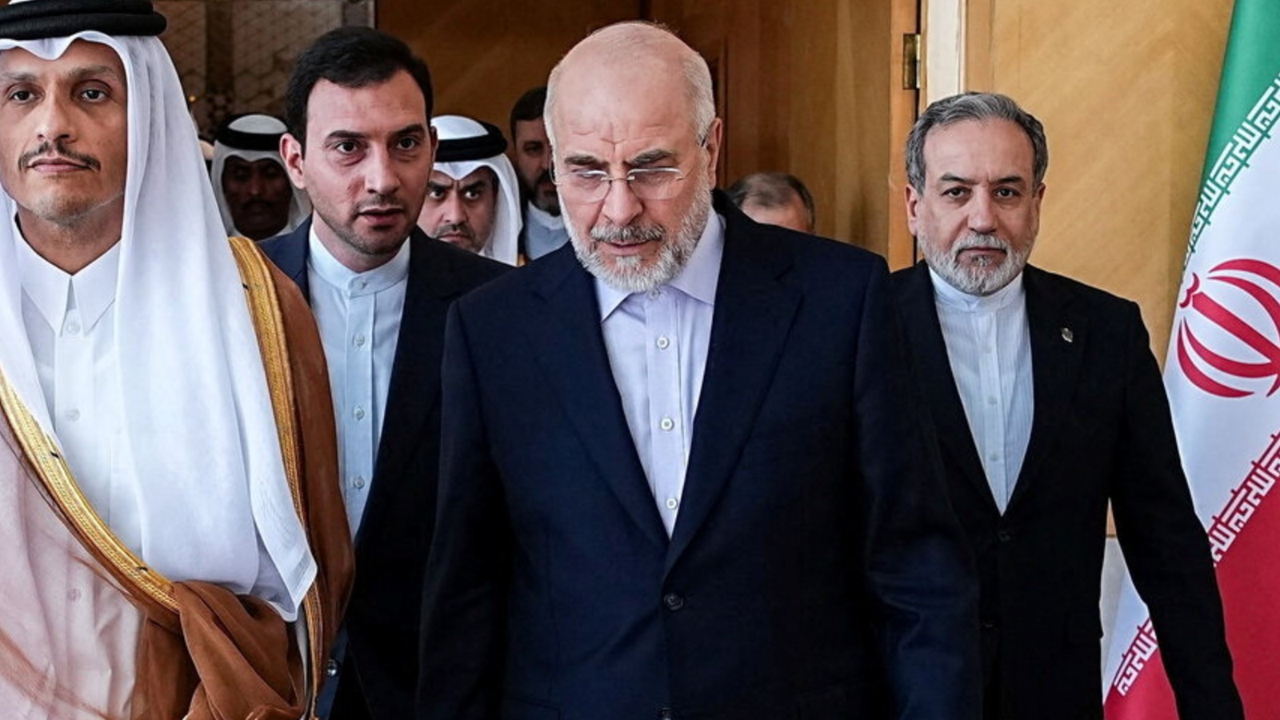
On Sunday, 6 Sep 2026 GMT+7, Mohammad Bagher Ghalibaf, Speaker of the Iranian Parliament and head of Iran's peace negotiation team, threatened the U.S. that Iran would retaliate against U.S. attacks "more quickly, more heavily, and with greater pain" after renewed exchanges of fire between the two sides.
Ghalibaf emphasized that the United States must understand “before it’s too late” that “the rules of the game have changed.”
The latest threat from Iran came after the U.S. attacked three Iranian oil tankers in the Persian Gulf, claiming the strikes were in response to Tehran firing missiles at U.S. Navy warships, which did not succeed.
Iranian state media also reported that the Iranian navy attacked a remotely controlled U.S. drone vessel attempting to enter the Strait of Hormuz. However, the U.S. military denied these reports.
"That report came from Iranian state media and is completely false," said Commander Tim Hawkins, spokesperson for the U.S. Central Command (Centcom), according to the Associated Press.
Meanwhile, U.S. Secretary of Defense Pete Hegseth responded with a threat to Iran, posting on social media on Saturday: "It’s very simple. If Iran fires on U.S. ships, we will destroy (and sink) their oil tankers.”
A 60-day ceasefire agreement between the U.S. and Iran officially expired last month. However, the temporary calm ended when the U.S. resumed attacks on Iran starting Sunday, 30 Aug 2026 GMT+7.
Fighting continued throughout the week, with the U.S. striking multiple targets inside Iran, while Iran retaliated by attacking military bases and targets located in Gulf countries, including the United Arab Emirates, Bahrain, Kuwait, and Jordan.
U.S. President Donald Trump said this week that the new round of fighting would not last "too long," reinforcing what he and his administration have stated since the six-month conflict began in February.
Months of negotiations between the U.S. and Iran have failed to achieve lasting peace, and there is little sign of renewed talks in the near future.
The Strait of Hormuz, critically important to the global oil and gas industry, has been completely closed since the conflict began. It has become a key bargaining tool for Iran, with Tehran affirming it will not relinquish control over this vital waterway.
However, Trump has declared the strait "open," and the U.S. military has been assisting navigation for various vessels along the southern shipping route, a path Iran does not recognize and has repeatedly attempted to attack ships using it.
Follow international news:https://www.thairath.co.th/news/foreign
Source:bbc