

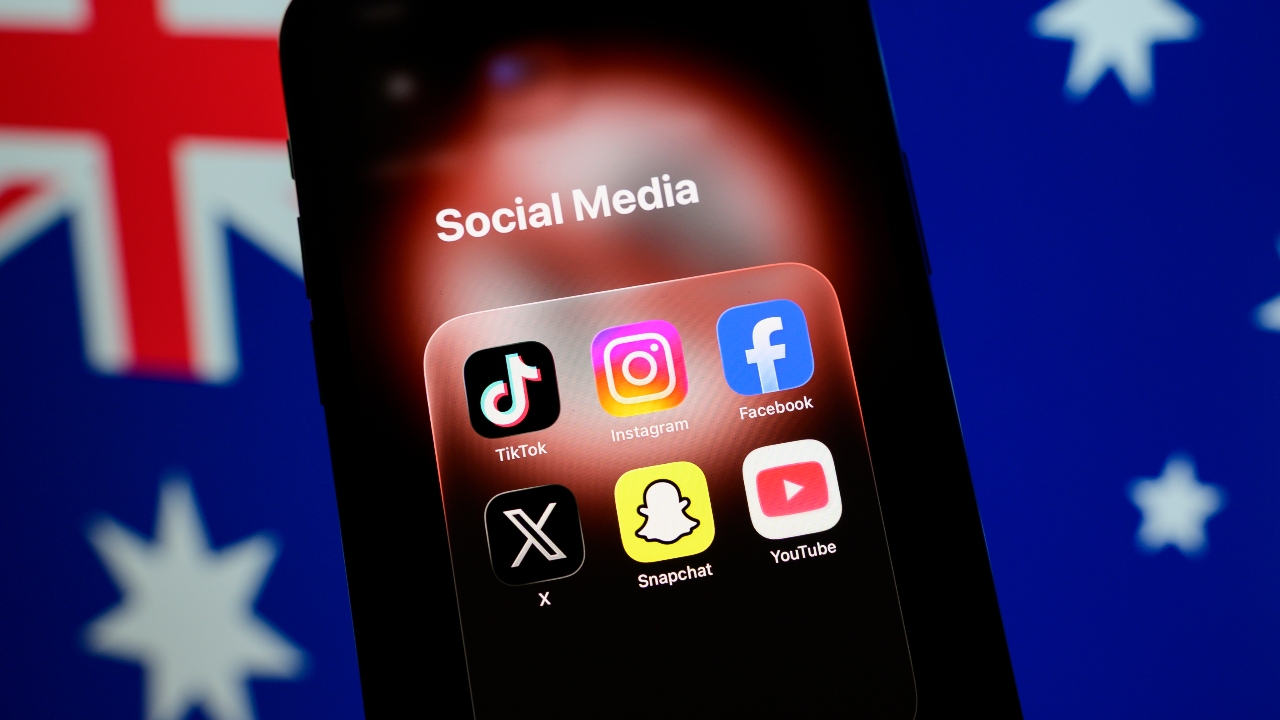
The Australian government is preparing to propose a new bill called the "Digital Duty of Care" this week, which will require major social media platforms such as Meta, Google, and TikTok to provide users with the option to "turn off algorithms". This aims to reduce the feed of harmful content and prevent addictive social media behaviors. Violations could result in fines exceeding 100 million Australian dollars.
The Australian government plans to introduce the "Digital Duty of Care" bill this week, which will allow social media users to choose to disable the algorithms that select and rank content on their feeds. This is part of measures to enhance safety and address the impacts of using online platforms.
Anika Wells, Australia’s Minister for Communications, stated that the legislation will set basic safety standards for the technology industry, which has not previously been subject to such requirements. She added that if major tech companies like Meta, Google, and TikTok do not enable users to disable algorithms, they could face significant penalties.
Wells said the government wants Australians to have more choices about what appears on their social media feeds, acknowledging that many users appreciate algorithms because they recommend content matching their interests and help discover local businesses or services.
Under the bill, social media companies will be required to display periodic pop-up messages asking users whether they want to continue using an algorithmically curated feed or opt to view only content posted by accounts they follow, with the decision left to the user.
Platform algorithms analyze data such as users’ viewing behaviors, demographics, and location to predict which content is likely to engage users and display it in their feeds. These systems have been criticized for potentially amplifying sensational content, creating "echo chambers" where users see only like-minded opinions, and possibly pushing young people toward extremist views, as platforms aim to keep users engaged for longer periods.
Beyond algorithms, the new law is expected to require platforms to identify and mitigate risks from harmful content and prevent the spread of illegal material, such as illegal pornography. For users under 18, additional risks related to psychosocial impacts will be addressed, including content related to body image and online bullying.
Companies violating the law could face fines exceeding 100 million Australian dollars (approximately 2.37 billion Thai baht). The Office of the eSafety Commissioner and accredited independent researchers will have powers to audit platform operations, including using undercover accounts posing as children to evaluate what content young users receive from algorithmic systems.
Wells emphasized that these measures are not censorship but rather require tech companies to identify risks on their platforms and implement steps to reduce those risks.
However, the proposal faces opposition from the Liberal Party. Angus Taylor, the party leader, expressed skepticism and concern that the government might use the law to control or censor social media. He noted that the opposition has not yet seen the full details of the bill.
While some opposition members support the principle of algorithm regulation, opinions vary. Sarah Henderson, the Shadow Minister for Communications, has spoken about the dangers of "psychological manipulation" of children through algorithms. Meanwhile, Tim Wilson, acting Treasurer, views algorithms as merely reflecting user preferences and worries the measures might restrict free expression.
The Greens party calls for stronger measures, proposing that users must opt in before using algorithm-driven feeds. Sarah Hanson-Young, a Greens senator, has introduced her own bill emphasizing that users should clearly choose whether to use algorithm-curated feeds instead of being subjected to systems designed to encourage endless scrolling and content consumption.
The government’s proposal has support from sexual consent advocate Chanel Contos, who urges the government to implement an opt-in system for algorithmic feeds. She warns that algorithms may contribute to issues of sexual violence and make it easier for young people to access misogynistic content or ideas from groups known as the "manosphere."
The bill is expected to be formally introduced within days as Australia advances strict online platform regulations. Previously, Australia implemented a law banning children under 16 from using social media, one of the world’s strictest measures of its kind. However, the government admits no tech companies have yet been fined for non-compliance, even though studies show most children under 16 who used platforms before the law took effect still access social media.