

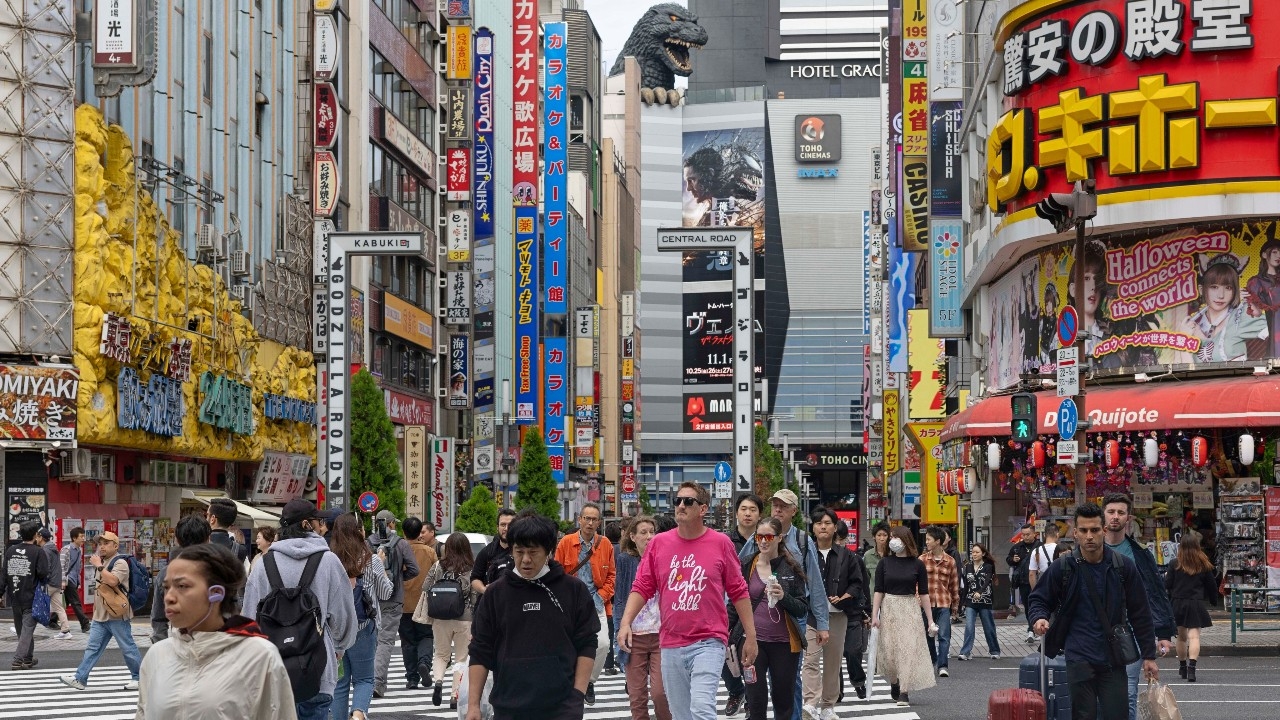
Shinjuku, a popular tourist district and major commercial area in Tokyo, is set to announce stricter measures by banning short-term rentals, including homes offered through Airbnb, in more than half of residential areas. This follows a steady rise in complaints from residents about garbage, noise, and improper smoking caused by the surge in tourists overwhelming the city.
Tokyo's Shinjuku ward, known as a popular shopping and entertainment district among global tourists, is preparing to ban short-term accommodations, or "Minpaku," in more than half of such properties in the area due to a continuous increase in public complaints.
Officials from Shinjuku ward responsible for overseeing short-term lodging businesses revealed plans to amend current local ordinances to prohibit Airbnb services in residential zones and areas near schools. The new measures are expected to affect over 50% of short-term rentals in Shinjuku, with official details to be announced by the ward mayor on Tuesday.
Officials noted that the measures will apply to accommodations already in operation, not just new listings, reasoning that as the number of private lodging businesses grows, so do related problems and complaints.
Data shows that in the fiscal year ending last March, complaints about short-term rentals in Shinjuku rose by approximately 40%. The most common issues reported include failure to follow garbage disposal rules, smoking in no-smoking areas, unauthorized intrusion into restricted spaces, and noise disturbances affecting residents.
Shinjuku is among the areas in Japan with a high concentration of short-term rental businesses, accounting for nearly 10% of about 42,000 such accommodations nationwide. While it is a tourism and business hub, Shinjuku also has a large permanent residential population, meaning tourist-related problems directly impact daily community life.
This move comes amid growing concerns about overtourism in Japan, which has become a significant issue due to a sharp rise in foreign visitors over recent years. Many major tourist cities have faced challenges such as traffic congestion, overcrowding, public photography restrictions, and rising land and housing prices.
Meanwhile, Kyoto is also considering measures to limit short-term rentals, with proposals to ban new such accommodations in residential and industrial zones.
Previously, on 15 July, the Japan Tourism Agency and two other government bodies notified local governments nationwide that they may use local ordinances to restrict or even ban private lodging businesses if their operations disrupt the "peaceful living and educational environment" or hinder the retention of permanent residents and local communities.
Under current Japanese law, homeowners can offer their property to tourists for up to 180 days annually. However, some local governments have begun setting this limit to zero through ordinances, effectively banning short-term rental businesses in those areas.
The Japanese central government states that if lodging services impact residential or educational areas, local governments can prohibit or restrict such businesses. For existing establishments, if no other solutions suffice, grace periods before enforcement or limits on operating days may be imposed.
Local governments may also require operators to install noise monitoring devices and cameras at entrances and exits to record behavior causing community disturbances, tailored to each area's circumstances.
These changes represent a shift in Japan's government stance, which previously cautioned that excessive restrictions on private lodging businesses might conflict with policies promoting the Minpaku industry.
Shinjuku officials said the goal of the new measures is to balance accommodating tourists with protecting residents' quality of life, especially in residential neighborhoods and around schools, which have been increasingly affected by tourists' and guests' behavior.
Shinjuku's new ordinance reflects a clearer trend in Japan toward managing the impacts of mass tourism by empowering local governments to decide where short-term rentals may operate and where community environments should be preserved.