

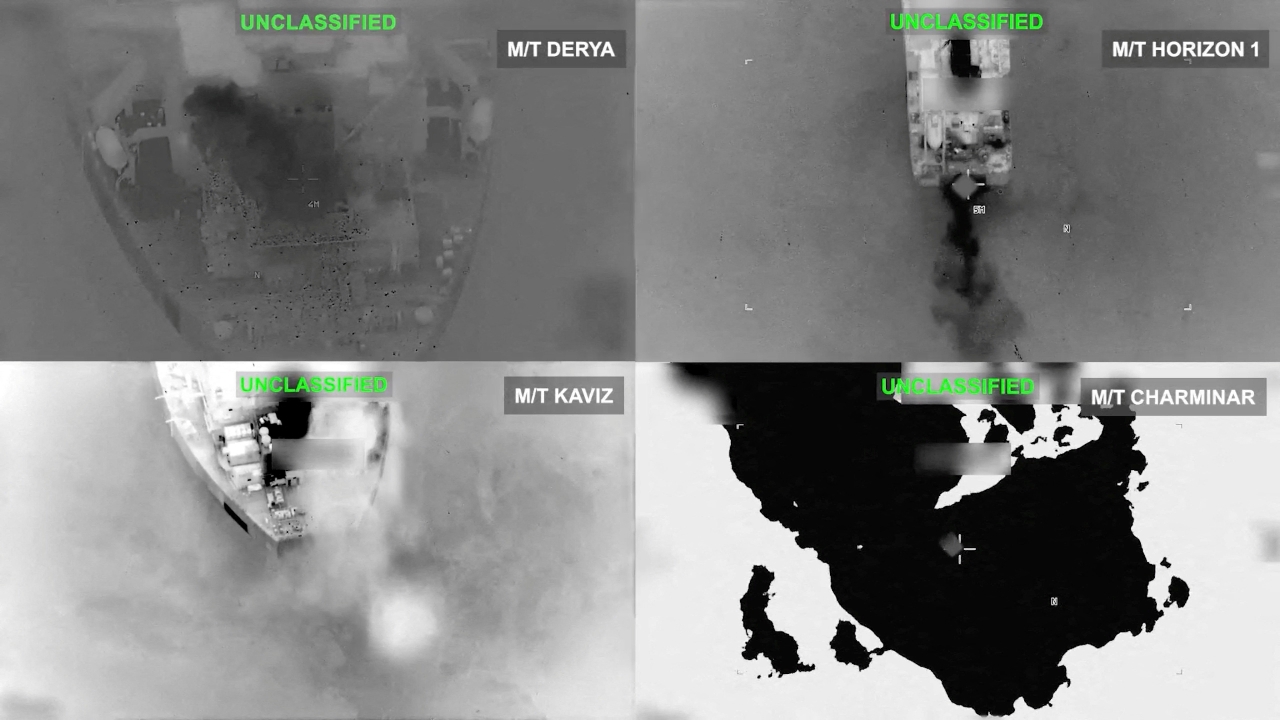
Brent crude oil prices surged past $100 per barrel for the first time since July following a sharp escalation of conflict in the Middle East. Both sides engaged in fierce retaliation, including the U.S. striking Iranian oil tankers and Iran firing missiles at a U.S. base in Jordan. This has raised investor concerns that higher energy prices could accelerate inflation and pressure central banks worldwide to raise interest rates.
Brent crude oil, the global market benchmark, rose above $100 per barrel today (9 Sep) amid renewed intense conflict in the Middle East. This caused global stock market volatility and increased inflationary pressures ahead of the U.S. Consumer Price Index (CPI) data release later this week.
Brent crude reached a peak of $100.19 per barrel, the highest since July, before easing to around $99.90. Meanwhile, West Texas Intermediate (WTI) crude climbed close to $95 per barrel, marking its highest level since June.
Oil market pressure increased after the U.S. attacked five Iranian oil tankers in retaliation for Iran’s missile strike on a U.S. warship. Four of the tankers attacked were in the Gulf of Oman and linked to the Islamic Revolutionary Guard Corps (IRGC), while one was near Kharg Island, a key Iranian oil export point.
Iran responded by launching missile attacks on a U.S. military base in Jordan. Jordanian authorities reported intercepting 18 out of 20 missiles, with the remaining two landing in uninhabited areas.
Iran’s IRGC announced it attacked two U.S. vessels, eight oil tankers, and ten other ships described as “non-compliant” while attempting to pass through the Strait of Hormuz, warning of further retaliatory attacks.
The Strait of Hormuz is a crucial maritime route for global oil and gas transport. Disruptions to shipping there increase risks to global oil supply. Kharg Island hosts Iran’s primary oil export terminal, with about 90% of Iran’s crude oil passing through this area.
Tensions escalated further as Iran-backed Houthi forces in Yemen attacked energy facilities and civilian infrastructure in Saudi Arabia on Tuesday, injuring 73 people and causing fires at multiple energy sites, leading to temporary operational shutdowns.
U.S. Secretary of State Marco Rubio described the U.S.-Iran exchanges as “straightforward,” warning that continued Iranian attacks on U.S. warships would lead to further losses of Iranian oil tankers.
The prolonged conflict entering its seventh month has heightened investor worries that soaring energy prices may accelerate inflation, potentially causing the U.S. Federal Reserve to slow interest rate cuts or even consider rate hikes to control prices.
Market analyst Fawad Razakzada from FOREX.com said the Middle East conflict continues to raise concerns over oil supply disruptions and inflationary impacts from elevated oil prices.
Stock markets faced pressure from the prospect of higher borrowing costs. The three major U.S. stock indices declined, while Asian markets showed mixed movements. Technology stocks rebounded from heavy July sell-offs, with South Korea’s SK hynix shares rising over 3%.
Investors are closely watching the U.S. Consumer Price Index data due Friday, viewed as a key factor in the Federal Reserve's decision on whether to adjust interest rates at next week’s meeting.
Analysts warned that continued oil price rises could disrupt global central banks’ efforts to control inflation and increase financial burdens on households and businesses worldwide.
Additionally, the U.S. Central Command (CENTCOM) reported that the oil tanker M/T Riesco, targeted by U.S. forces, sank in the Gulf of Oman. The U.S. military confirmed no American personnel were injured in Iranian attacks and that military operations in regional waters continue.
Previously, Iran claimed to have seized a U.S. unmanned underwater vehicle in the Strait of Hormuz. However, the U.S. military clarified that the drone had malfunctioned more than a day earlier, was an older model, and did not contain sensitive information or secret sonar and radar equipment.