

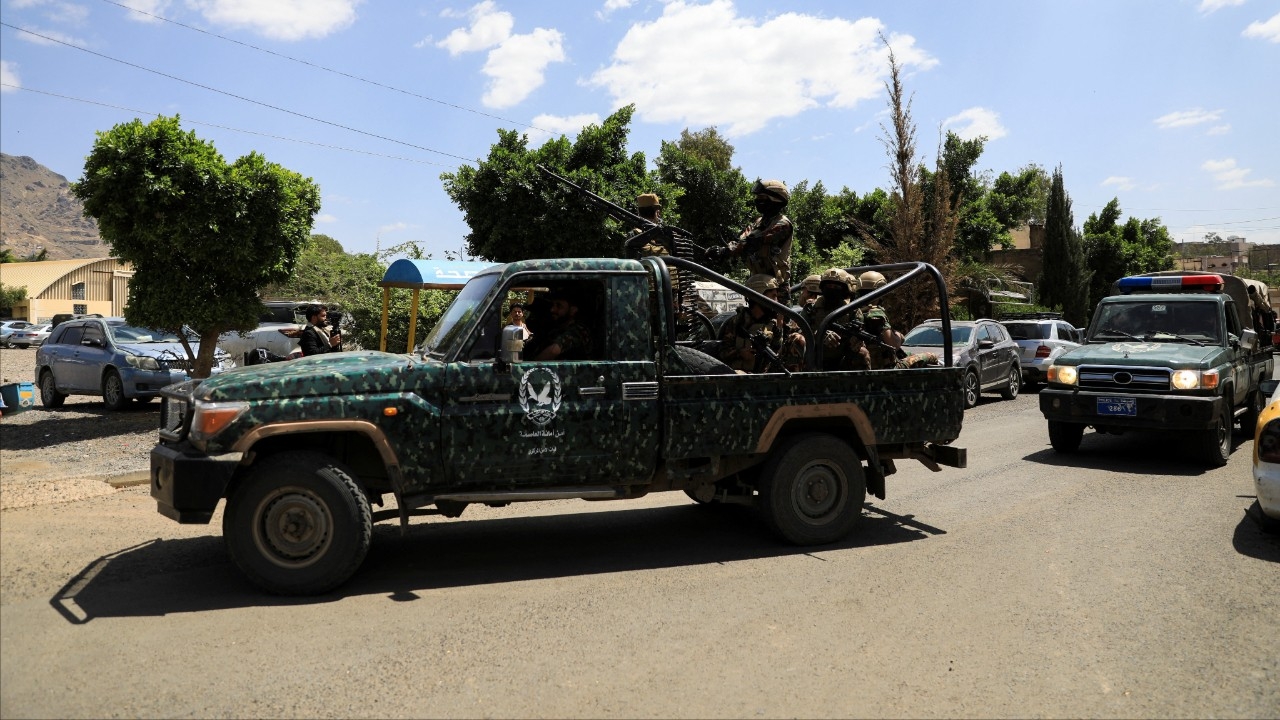
The Houthi rebels announced they launched missiles and sent drones in a new round of attacks on military bases in Saudi Arabia, while Iran denied any involvement in the renewed Yemeni civil war.
On Monday, 14 Sep 2026, Houthi rebels in Yemen fired missiles and deployed drones in a new wave of military strikes, while Iran publicly denied any connection to the resurgent civil war in Yemen.
The Houthis, fighting against the internationally recognized Yemeni government backed by Saudi Arabia, managed to seize control of the Red Sea coast and the Bab el-Mandeb Strait last week. This strait has become a crucial oil shipping route after the Strait of Hormuz was closed due to the conflict between the U.S. and Iran.
The Houthis stated they launched dozens of missiles and drones into Saudi Arabia, prompting Saudi civil defense units to issue short-term alerts in the cities of Khamis Mushait and nearby Abha.
The renewed fighting in Yemen occurs amid a regional stalemate in the war with no resolution in sight. On Monday, a proposed meeting between Gulf Arab states and Iran concerning the future of the Strait of Hormuz was postponed, with Tehran accusing Riyadh of using the Yemeni situation as a "pretext" to delay negotiations.
Iranian Foreign Ministry spokesperson Esmail Bagaei told reporters on Monday, "Iran does not interfere in Yemen's internal affairs," adding that the Houthis are "a fully independent group making decisions based on their own interests."
Although it is widely known that Tehran supports the Houthis—a member of the long-standing "axis of resistance" opposing Israel—with weapons and technology, analysts continue to debate the extent of Iran's direct involvement in this latest round of fighting.
Previously, Iran threatened to open a "new front," including the Bab el-Mandeb Strait. The Houthi offensive has caused oil prices to rise again, as this strait has become the only remaining safe route for Saudi oil shipments to major Asian markets.
Source:cna