

Fiji has declared a national public health emergency due to a surge in HIV infections, driven by drug use, unsafe sexual behavior, and shared needle use. The government plans to expand testing, prevention, and treatment services.
Fiji, an island country in the Pacific Ocean, has declared a national public health emergency following a rapid rise in HIV infections. The government is preparing to enhance measures for testing, treatment, and prevention of the virus's spread.
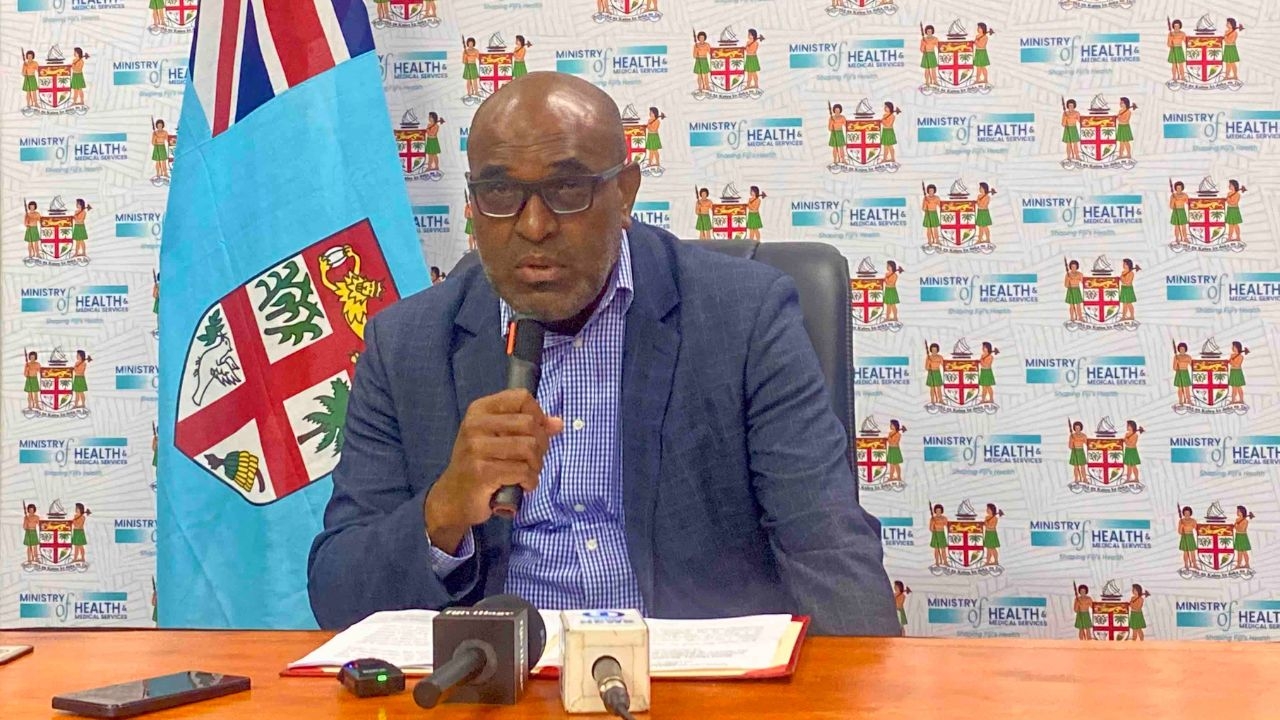
Antonio Lalabalavu, Fiji's Minister of Health, revealed that in 2025, approximately 2,016 to 2,060 new HIV cases were detected. The government estimates that currently about one in every 60 adults is living with HIV, a significant increase from one in every 167 adults five years ago. Additionally, about one in 50 pregnant women are HIV positive, and infant deaths linked to HIV-related complications are rising.
The Health Minister stated that the current response to the epidemic is no longer sufficient. He officially declared the emergency after the Cabinet resolved on 9 September to enable various agencies to urgently implement coordinated measures.
Data from the Joint United Nations Programme on HIV/AIDS (UNAIDS) indicates that Fiji had approximately 9,100 people living with HIV in 2025. However, only 39 percent are aware of their infection status, and just 22 percent have access to antiretroviral treatment, compared with a global average of 78 percent treatment coverage among people living with HIV.
UNAIDS reports that new HIV infections in Fiji have increased twelvefold between 2010 and 2025, making Fiji one of the countries with the fastest-growing number of new HIV cases worldwide.
Public health experts and NGOs identify increased methamphetamine use, sharing of injection equipment, and unsafe sexual practices as key factors accelerating the epidemic. They particularly highlight a behavior called "Bluetoothing" or "hotspotting," where intravenous drug users inject blood from individuals intoxicated by drugs into their own bodies, often sharing needles, which heightens the risk of HIV transmission.
Fiji also faces limited access to clean needles. Social stigma, insufficient health literacy, and restricted access to testing and treatment services further exacerbate the crisis.
The Fijian government plans to launch a needle and syringe distribution program to prevent HIV transmission through shared injection equipment. The Health Minister confirmed the country has sufficient supplies and will propose legal amendments to parliament to enable the initiative.
Jason Mitchell, head of Fiji's National HIV Response Taskforce, stated that controlling the epidemic could take more than five years. He warned that the HIV crisis is putting increased pressure on the country's healthcare system, affecting both inpatient capacity and outpatient services.
Winni Baiyanyima, Executive Director of UNAIDS, welcomed Fiji's emergency declaration, describing the situation as a clear reminder to the global community that the AIDS epidemic is not over and that HIV outbreaks can escalate rapidly. She emphasized the need for countries to have healthcare systems and community networks ready to respond urgently to such crises, and expressed support for Fiji’s plans to expand prevention, testing, and treatment services.