

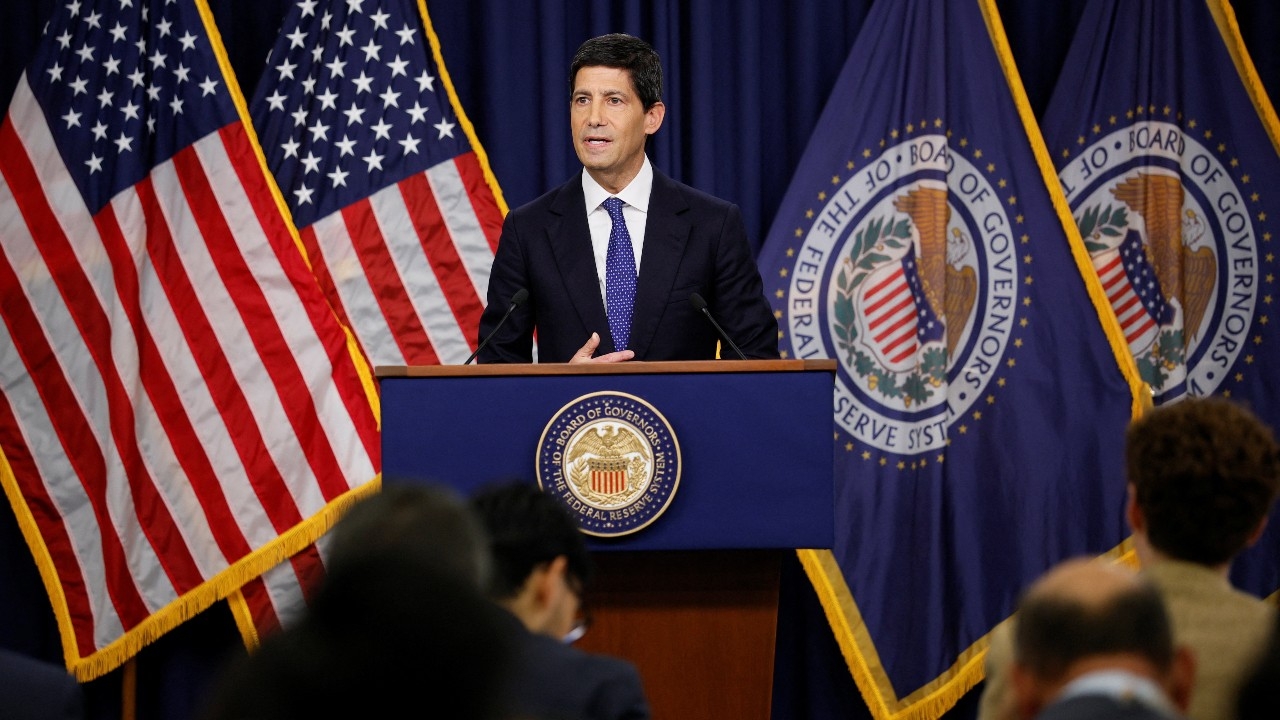
The US Federal Reserve (Fed) unanimously decided to raise its policy interest rate by 0.25% to a range of 3.75%-4.00%, marking its first hike since July 2023. The increase aims to curb inflation that remains above target, despite former President Donald Trump's opposition and pressure to lower interest rates. Policymakers also signaled possible further rate increases in the future.
The US Federal Reserve announced a 0.25% increase in the policy interest rate, bringing it to 3.75%-4.00%. This is the first rate hike in over three years and the first policy change under new Fed Chair Kevin Warsh, who assumed office at the end of May.
The Federal Open Market Committee voted unanimously despite former President Donald Trump's continuous calls to cut rates. Previously, Trump had urged that US interest rates be lowered to about 1%.
Warsh stated that the rate increase was a careful and responsible decision, given that inflation remains too high and has stayed elevated for a prolonged period. He added that the US economy is strengthening, the labor market is growing well, domestic spending remains resilient, and capital investment is high—all factors adding upward pressure on prices.
The Fed targets inflation around 2%. Its latest projections estimate inflation at 3.7% this year, up from the prior forecast of 3.6%, and expect it will not return to the 2% target until 2029, a year later than previously anticipated.
The updated economic forecast shows that 16 of the 18 Fed board members expect at least one more rate hike by the end of this year, potentially raising rates to 4.00%-4.25%. Most members anticipate further increases next year before considering rate cuts in 2028 and 2029.
The rate hike aims to slow spending and encourage saving, which helps ease price pressures. However, it also raises borrowing costs for individuals and businesses and may impact investment and economic growth.
For Americans, higher interest rates could increase costs on personal loans, credit cards, and mortgages. Major US banks such as JPMorgan Chase, KeyCorp, and BNY Mellon raised their prime lending rates from 6.75% to 7% last Wednesday.
Data from Freddie Mac indicates that the average 30-year fixed mortgage rate is 6.76%, while 15-year fixed rates are at 6.09%. Changes in interest rates do not affect monthly payments for existing fixed-rate loans, but prospective homebuyers or those refinancing may face higher costs.
Former President Trump expressed support for Fed Chair Kevin Warsh but criticized the Federal Reserve Board as hostile and political. He maintained that interest rates remain too high. Meanwhile, Democrats in the US Congress warned that rising rates will increase borrowing costs and potentially worsen debt burdens for consumers.
This rate increase comes amid pressure on Americans' cost of living, with gasoline prices up about one-third from a year ago due to wholesale oil price surges caused by the US-Israel-Iran conflict. Additionally, Trump's import tariffs and investments in artificial intelligence technology contribute to inflationary pressures.
Warsh acknowledged that the Fed cannot directly control prices of individual goods like oil or food but can implement policies to prevent widespread price increases throughout the economy.
Following the rate hike announcement, the US dollar strengthened, and yields on two-year US Treasury bonds rose to their highest levels in over two years, reflecting market expectations of further Fed rate increases.
Financial market analysts noted that the Fed's unanimous vote reflects rising energy prices and persistent inflation, causing even previously dovish members to support rate hikes. Futures markets estimate about a 90% chance of another rate increase before the end of this year.
The rate hike occurs ahead of the US midterm elections, which will determine if Trump's Republican Party retains its congressional majority. The administration faces public pressure over rising oil prices and higher mortgage borrowing costs.
The Fed projects US economic growth of 2.3% this year, slightly up from the earlier forecast of 2.2%. The unemployment rate is expected to be 4.1% by year-end, down from a previous estimate of 4.3%.
The US Federal Reserve is not alone in facing rising inflation pressures from the Iran conflict. The European Central Bank recently raised interest rates last week, and the Bank of England is scheduled to announce its rate decision today (17 Sep).