

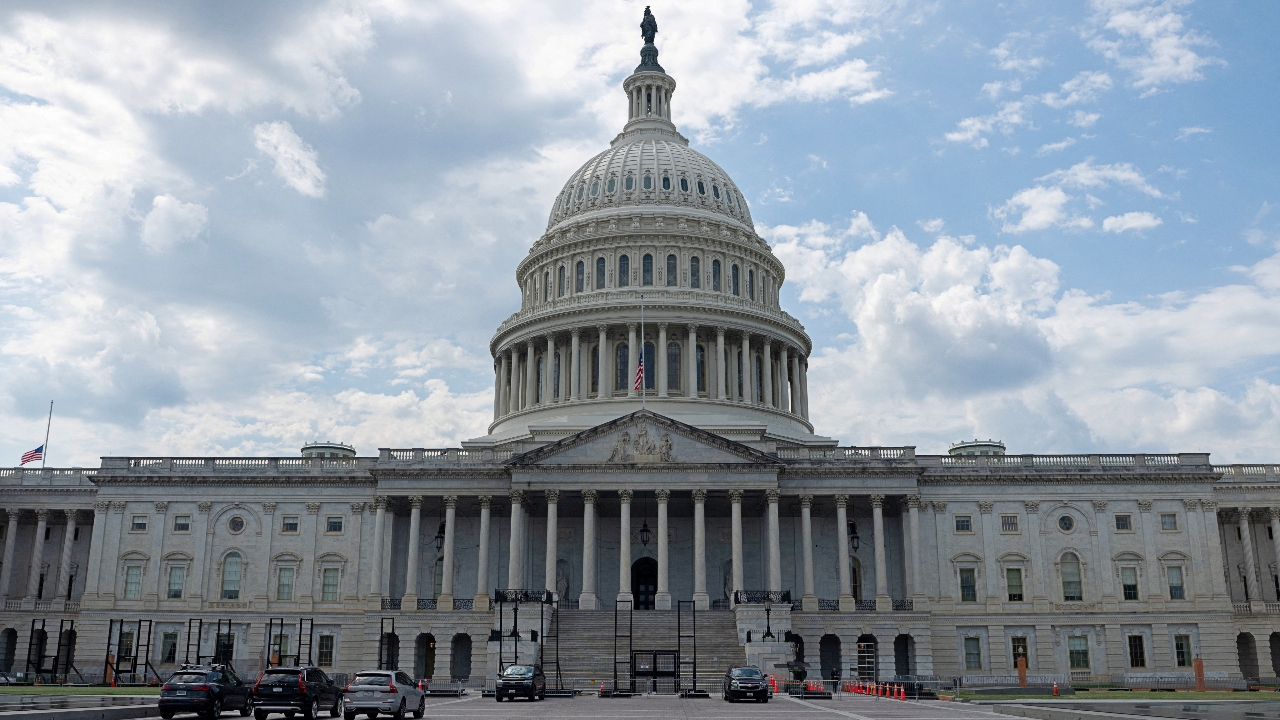
The U.S. House of Representatives passed a major Russia sanctions bill with a vote of 262 to 159 and is preparing to send it to President Donald Trump for signing, after the Senate had previously approved it. The law targets Russia's energy and defense sectors, including its oil transport fleet used to evade sanctions, and grants Trump the authority to impose import tariffs up to 100% on countries still buying Russian oil and gas.
The Republican-majority U.S. House of Representatives voted to pass the major Russia sanctions bill by 262 to 159 before forwarding it to President Donald Trump for his signature. The Senate had passed the bill last month with a vote of 86 to 11.
The bill is named the "Lindsey O. Graham Sanctioning Russia and Iran Act of 2026," honoring Senator Lindsey O. Graham of the Republican Party, who had championed the bill since April 2025 before his sudden death in July.
This legislation is the most significant U.S. legislative measure against Russia since Trump resumed the presidency, aiming to increase economic pressure on the Russian government over its war in Ukraine.
The core of the bill is sanctions on Russia's energy and defense industries, including President Vladimir Putin and senior officials, as well as the 'shadow fleet' of oil tankers Russia uses to circumvent Western sanctions.
Additionally, the bill grants the U.S. president authority to impose customs duties up to 100% on major buyers of Russian oil and gas, potentially including China and India, to pressure these countries to reduce dependence on Russian energy and cut funds supporting the war in Ukraine. It also allows the U.S. to sanction foreign companies and individuals supporting the Russian military and expands sanctions related to Iran.
Ukrainian President Volodymyr Zelensky welcomed the bill's passage, thanking U.S. Congress members and describing the legislation as a powerful tool to pressure Russia to end the war and enter peace negotiations. He called for robust sanctions to support diplomatic efforts by Ukraine, the U.S., and Europe.
However, the bill faced opposition from some Democrats who were concerned about granting Trump broad authority to set tariffs. Some Democrats worried this power could be used against U.S. allies and might raise domestic consumer prices.
Gregory Meeks, a senior Democrat on the House Foreign Affairs Committee, criticized the bill as seriously flawed, saying its language broadly empowers Trump to impose new import taxes on the American people, without clear obligations requiring the president to impose sanctions on Russia.
House Democratic Leader Hakeem Jeffries said the bill contained many loopholes that might prevent effective measures against Russia and opposed giving the president such broad authority.
Nevertheless, 58 Democrats voted in favor of the bill, joining nearly all Republicans, while seven Republicans opposed it, resulting in bipartisan support for the legislation.
Supporters argued that increased economic pressure is necessary as the full-scale war between Russia and Ukraine enters its fifth year without a peace agreement, with both sides continuing attacks on infrastructure and economic targets.
On the same day as the House vote, Russian drones attacked buses and trains in southern Ukraine, killing five people.
Previously, Trump preferred to keep the power to set sanctions and tariffs within the executive branch rather than having Congress legislate it, which contributed to the bill taking more than a year to reach a vote.
The Senate passed the bill in August with overwhelming support of 86 to 11 votes after Zelensky met with Congress members to urge backing for the measures.
After the vote, Svitlana Romanko, executive director of the Ukrainian energy lobbying group Razom We Stand, urged Trump to sign the bill promptly and called on the U.S. to strictly enforce the measures to cut off revenue to the Russian government, stating that any delay means more Ukrainian lives lost to the war.
The bill has now been sent to the White House, and Trump has indicated he will sign it, making the new sanctions and tariff powers likely to be implemented soon.
. . .Reuters/ AFP