

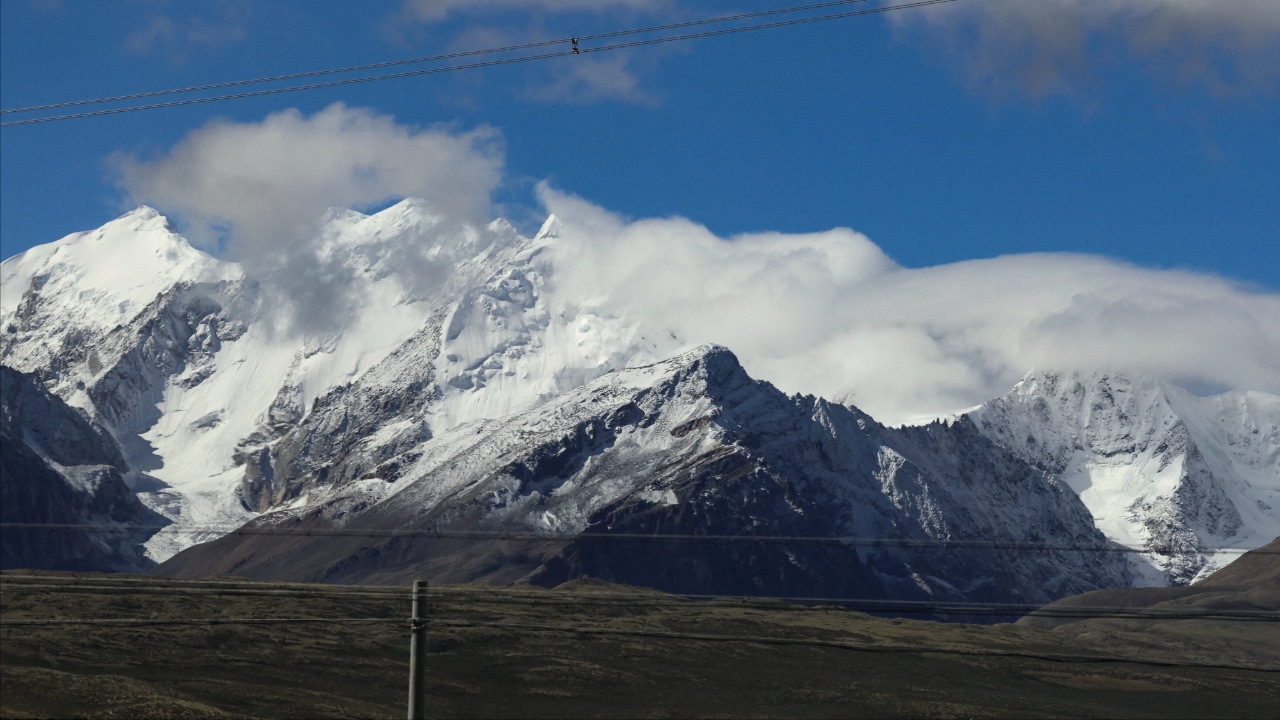
Nepal is preparing to use new research on the major floods and landslides last August to request tens of millions of dollars in compensation from the United Nations' Loss and Damage Fund for climate-related harm.
Foreign news agencies reported on 17 Sep 2026 that Nepal plans to use a new research report as key evidence to seek about $20 million from the United Nations' Loss and Damage Fund (LDF).
This move follows the massive floods and landslides along the Nepal-Tibet border, which resulted in approximately 1,400 deaths and over 6,150 missing persons, with extensive damage to homes and infrastructure.
Nepalese leaders estimate that $5 billion will be needed for national recovery. Prime Minister Balendra Shah plans to bring this issue to the United Nations General Assembly (UNGA) next week to demand climate justice.
Research from the World Weather Attribution (WWA) group states that human-caused climate change was a significant factor causing rock and ice collapse from Langtang Lirung peak in the Himalayas.
The report notes that multiple overlapping factors contributed, including a 1.5°C temperature rise in July–August, an average annual glacier thinning of 0.5 meters, and heavy snow accumulation in the previous year, all leading to destabilized rock and ice layers.
Additionally, the 7.8 magnitude earthquake in 2015 may have weakened the rock structures in the area as well.
However, Nepal’s compensation claim may face limitations from the LDF, as nearly 120 countries have requested over $3 billion, while the fund has less than $400 million available. Fund officials will decide whether to approve Nepal’s request in December.
Meanwhile, experts note that although the WWA report provides strong evidence that climate change was the main cause of the disaster, natural processes in high mountain regions are complex, and the exact mechanisms are not yet fully understood, which could affect the approval of funding.
Follow international news:https://www.thairath.co.th/news/foreign
Source:bbc