

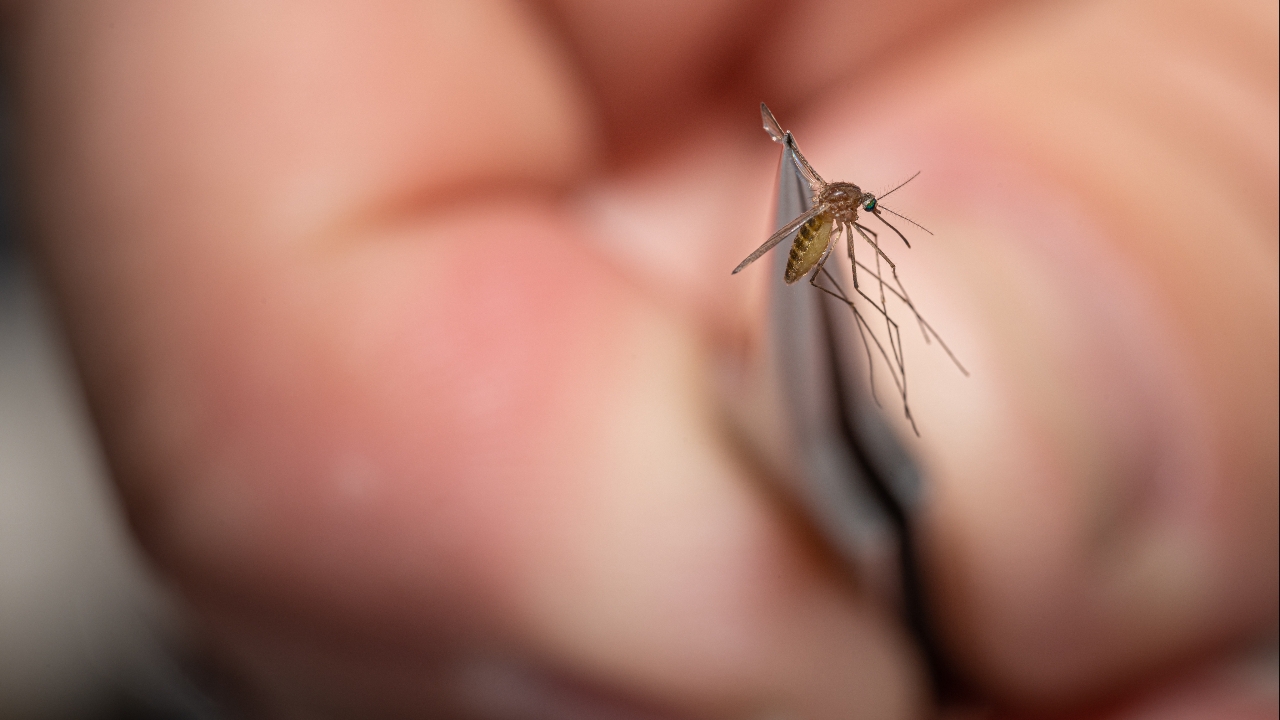
Experts highlight that rising temperatures in Europe are aiding mosquitoes in spreading the West Nile virus over greater distances. Italy has reported more than 650 infections, while several European countries are experiencing increasing cases.
Warmer weather and longer summers are allowing mosquitoes to spread the West Nile virus more widely and for extended periods in Europe. Italy has recorded over 650 cases this year, nearly half of all infections reported across the continent.
Italian public health authorities state that rising temperatures are boosting mosquito reproduction and prolonging the period during which the virus can be transmitted. Antonino Bella, a researcher at Italy's National Institute of Health (ISS), said that climate changes leading to higher temperatures have increased mosquito breeding and extended the virus transmission season.
Although Italy's infection numbers are high, experts do not consider the situation alarming, as West Nile virus has been endemic in Italy since 2020, with cases rising noticeably and now regularly occurring from summer into early autumn.
About 80% of infected individuals show no symptoms. Most symptomatic cases resemble flu-like illness, while a small number may develop severe neurological complications, particularly older adults and those with underlying health conditions.
Experts note that Italy's overall infection numbers this year remain similar to previous years. However, areas previously almost free of the disease are reporting more cases, indicating the virus is spreading into new regions nationwide.
Italy's experience is attracting interest from northern European countries. A Belgian research team recently visited Italy to study its disease research and surveillance systems after Belgium began detecting locally acquired West Nile virus infections.
Meanwhile, the Netherlands has reported over 20 West Nile virus cases this year—the first since 2020—with several deaths, according to the Dutch National Institute for Public Health.
Mark-Allen Widdowson, head of epidemic threats, communicable diseases, and antimicrobial resistance at the World Health Organization's European office, said the virus can spread to other countries but cautioned that climate change is not the sole factor. Loss of biodiversity and land use changes also create conditions favorable to virus transmission.
In June, the European Centre for Disease Prevention and Control (ECDC) warned that Europe faces rising temperatures, more frequent and severe heatwaves and floods, and longer, hotter summers, creating environments conducive to the spread of invasive mosquito species such as Aedes aegypti and Aedes albopictus.
The Aedes aegypti mosquito transmits diseases including dengue fever, yellow fever, chikungunya, Zika virus, and West Nile virus. This species has been established in Cyprus since 2022 and may spread to other European countries.
Ten years ago, Aedes albopictus was established in eight European countries covering 114 regions; it is now found in 13 countries and 337 regions, according to ECDC data.
However, experts note that the high number of detected cases in Italy may reflect not only more intense spread but also Italy's comprehensive surveillance system, which tracks mosquito populations, birds, blood donors, and human infections, allowing detection of more cases.
Source: AP
Click to read related newsInternational News