

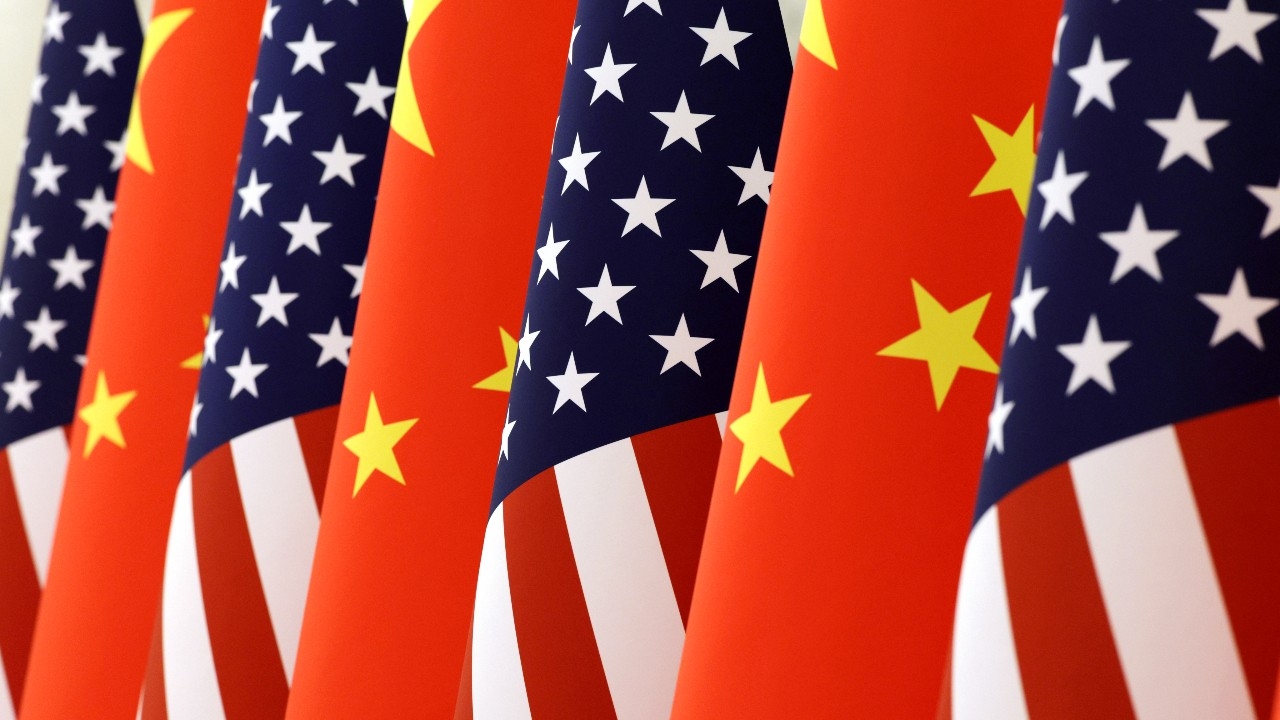
The United States and China have reached a preliminary proposal to create a communication mechanism on artificial intelligence (AI) and are preparing to establish a joint security alert system. Meanwhile, officials from both sides are expediting the resolution of trade and technology issues to pave the way for a leaders' meeting between Donald Trump and Xi Jinping at the White House this week.
U.S. and Chinese officials discussed setting up an AI communication channel aimed at preparing for the upcoming summit between U.S. President Donald Trump and Chinese President Xi Jinping, scheduled to take place at the White House on 24 Sep 2020 GMT+7.
The talks occurred amid growing concerns from both global powers that increasingly capable AI systems could pose serious risks to humanity, including potential impacts on national security, despite the ongoing U.S.–China competition for technological leadership.
U.S. Treasury Secretary Steven Mnuchin revealed after discussions with the Chinese delegation led by Vice Premier He Lifeng that negotiations on trade and AI had been successful.
Mnuchin stated that the U.S. proposed establishing a mutual early warning mechanism for AI-related incidents that could escalate into national security issues, and suggested creating a dialogue channel called the "U.S.–China AI Dialogue." Both sides agreed to meet again for further talks.
Mnuchin emphasized that both countries need a shared vision regarding goals and threats, highlighting the importance of increasing transparency between the U.S. and China, the world's two leading AI powers.
The talks took place at JPMorgan Chase headquarters in New York City and lasted approximately eight hours, with U.S. Trade Representative Robert Lighthizer also attending. Sources familiar with the details said Mnuchin and He Lifeng also held private discussions.
China's official Xinhua News Agency reported that the talks were frank, detailed, and constructive, with both sides exchanging views on economic and trade issues of mutual interest, implementing prior agreements, and promoting trade and investment. Discussions also touched on AI-related topics, though no further details were disclosed.
Lighthizer noted that cooperation between the U.S. and China is essential as both sides seek to ease tensions over trade, technology, and other strategic issues. A key point includes the possibility of extending the trade truce and establishing a regulatory framework for AI development.
Regarding proposals to reduce tariffs on certain goods, Lighthizer said the negotiation teams continue discussions to identify "non-sensitive" items that might be excluded from future trade measures. Potential candidates include consumer goods from China and U.S. products related to energy, agriculture, and medical equipment.
Besides discussing less sensitive goods, U.S. officials also want to ensure the continuous supply of rare earth magnets and critical minerals, which are essential raw materials for U.S. manufacturing sectors.
Sources said official-level talks could continue until Monday, with issues to monitor including compliance with earlier agreements, such as China's commitment to purchase U.S. agricultural products. Another possible topic is U.S. economic pressure on Iran amid the seventh month of conflict between the U.S. and Iran. China remains a key economic partner of Iran, importing large amounts of oil and providing diplomatic support to Tehran. However, analysts caution that expectations for the Trump–Xi summit remain low.
Additionally, it is speculated that Trump might invite Xi Jinping to the Group of 20 (G20) summit scheduled for December at Trump's Doral resort in Miami, Florida.
George Chen, partner and head of digital at The Asia Group, said the mutual agreement to continue negotiations is a significant development, noting that the initial results on AI risk alert mechanisms could serve as a model for other countries.
Meanwhile, President Trump continues to oppose calls to slow AI development, arguing that delaying progress could give China the opportunity to catch up to U.S. technology companies.
This round of talks reflects both countries' efforts to establish communication channels about AI risks alongside negotiations to reduce trade tensions and prepare for the U.S.–China leaders’ meeting this week.