

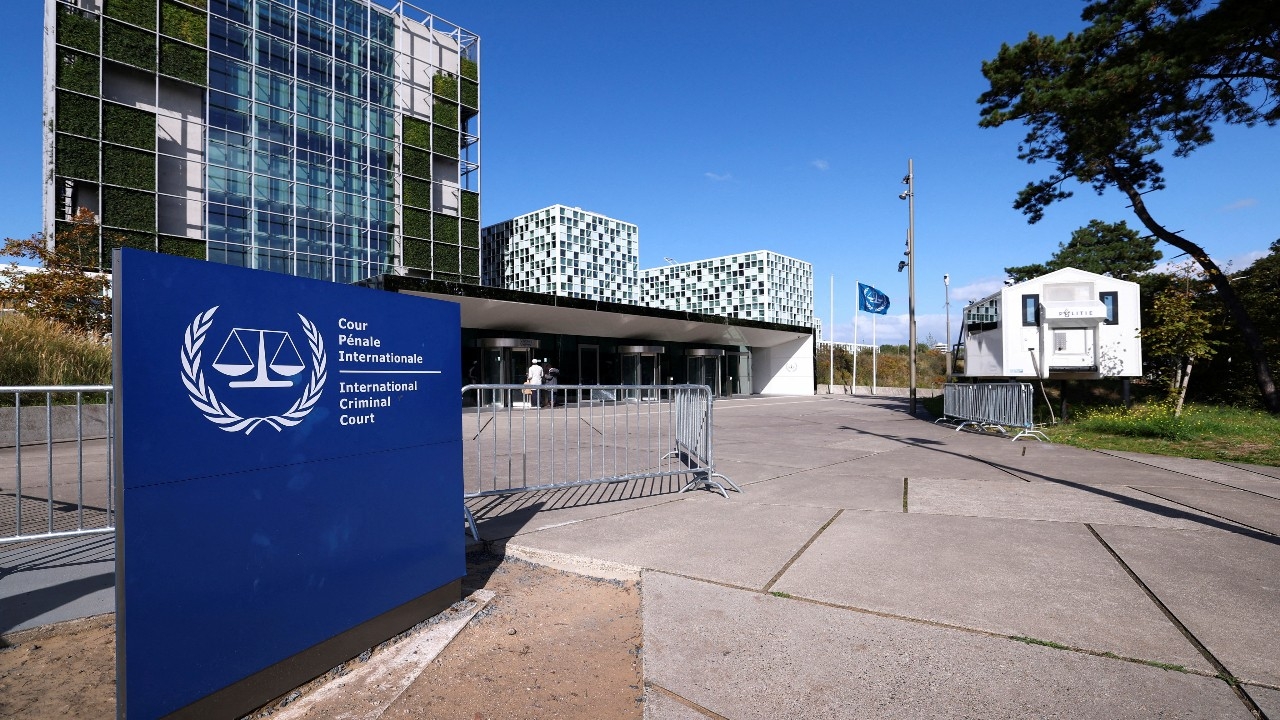
The U.S. government under President Donald Trump is preparing to announce sanctions against the International Criminal Court (ICC) as a whole, including cooperating entities, banning any transactions involving U.S. dollars after a 6-7 month grace period. This could paralyze and dismantle the court amid sharp conflict triggered by the issuance of an arrest warrant for Israeli Prime Minister Benjamin Netanyahu.
According to two sources, the Trump administration is preparing sanctions against the ICC organization and may announce the measures soon.
Sources indicated that the sanctions have been prepared though the announcement date is not fixed. The Wall Street Journal, citing U.S. officials, reported the decision might be finalized this week during the United Nations General Assembly in New York or shortly thereafter.
Documents reviewed by The Wall Street Journal suggest the sanctions could prohibit most transactions with the ICC following a 6-7 month grace period. If implemented, the U.S. Treasury Department's measures would generally forbid U.S. citizens and companies from providing funds, goods, or services to the ICC without a license from the Treasury's Office of Foreign Assets Control (OFAC).
Such sanctions could impact transactions in U.S. dollars and access to international financial systems because banks and companies typically exercise strict caution with U.S. sanctions to maintain access to U.S. financial networks.
If the U.S. sanctions the entire ICC, effects may extend to daily operations including procurement of IT and insurance services, hiring investigative personnel, general financial transactions, and paying salaries to dozens of American employees.
The ICC's president and registrar have warned that sanctions on the entire organization could significantly disrupt court functions. However, the Wall Street Journal documents indicate transactions related to communication services might be exempted.
The U.S. State Department has not confirmed sanction details, with a spokesperson stating they will not pre-announce decisions on sanctions. The U.S. Treasury and ICC have not commented on these reports.
Previously, the Trump administration sanctioned several ICC judges and prosecutors but had not directly sanctioned the organization. In August, the U.S. sanctioned ICC President Tomoko Akane and senior trial official Abdullahi Sheikh, effective 17 September.
In July, U.S. Secretary of State Marco Rubio announced a campaign to isolate the ICC from the international community, urging other countries to withdraw. The U.S. government argues the ICC oversteps by prosecuting officials from non-member states and views this as a threat to U.S. sovereignty.
Relations between the U.S. and ICC have severely deteriorated after the court issued arrest warrants in November 2024 for Israeli Prime Minister Benjamin Netanyahu and former Defense Minister Yoav Gallant on charges related to war crimes and crimes against humanity connected to the Gaza conflict.
The ICC alleges Netanyahu and Gallant obstructed humanitarian aid to Palestinian territories to pressure Hamas, which may constitute violations of international humanitarian law. Both deny the charges.
The ICC previously sought arrest warrants for Hamas leaders involved in the 7 October 2023 attacks on Israel, though many accused individuals died in combat or assassination. The ICC is also investigating Israeli Finance Minister Bezalel Smotrich and National Security Minister Itamar Ben-Gvir regarding their roles in expanding Jewish settlements in the West Bank, actions the UN considers violations of international law.
Established in 2002, the ICC prosecutes individuals accused of genocide, war crimes, and crimes against humanity, exercising jurisdiction when member states are unwilling or unable to prosecute offenders themselves.
The U.S. and Israel are not ICC members, and the U.S. opposes the court’s authority over officials from non-member countries, including prior investigations of alleged war crimes by U.S. forces in Afghanistan.
. SourceReuters / The Wall Street Journal