

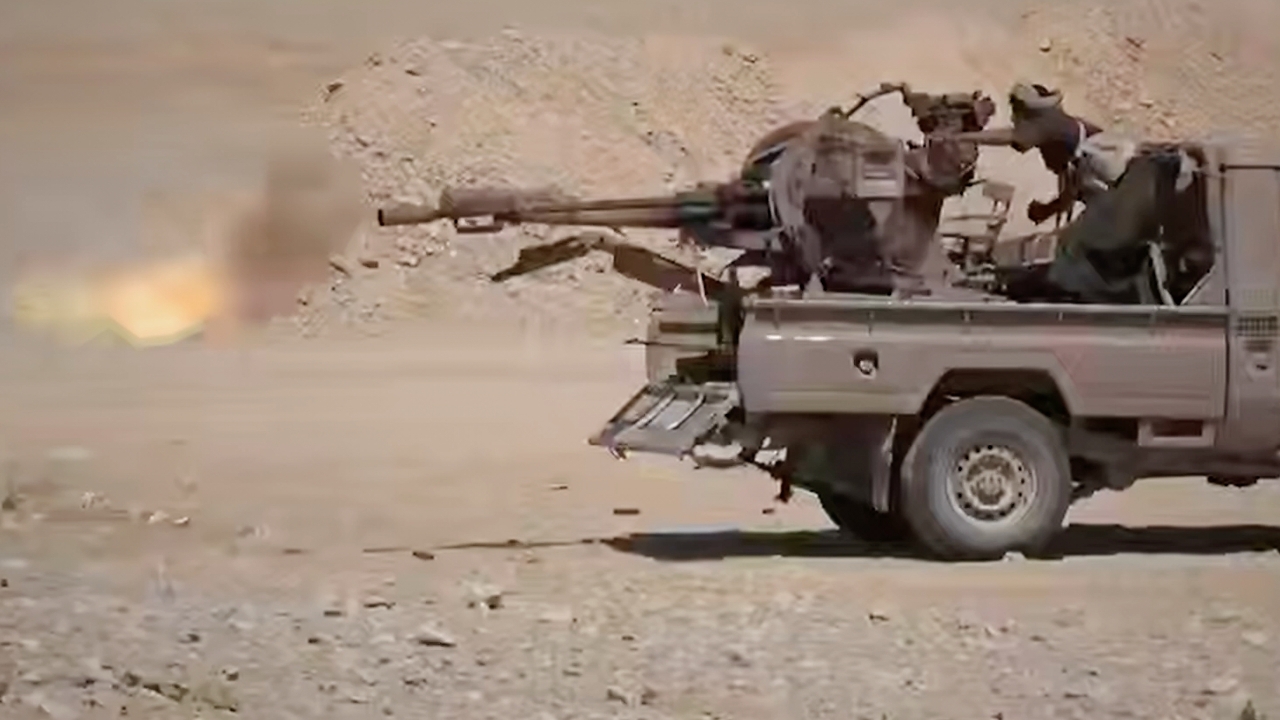
G7 foreign ministers have called on Yemen's Houthi group to end attacks on Saudi Arabia and commercial vessels, while urging Iran to stop supplying arms and support to the Houthis. This comes as fighting along the Red Sea coast intensifies, raising concerns over energy security and international trade routes. Meanwhile, the UK announced air defense support for Saudi Arabia.
The Group of Seven (G7) industrialized nations—Canada, France, Germany, Italy, Japan, the United Kingdom, and the United States—issued a joint statement condemning the Houthis' attacks on Saudi Arabia and demanding an immediate halt to all military operations by the group.
G7 foreign ministers stated that the Houthis must stop threatening and attacking commercial ships and sincerely return to political dialogue. They also called on Iran to cease supplying arms and support to the Houthis, accusing such actions of violating United Nations Security Council resolutions. The G7 added that the intensifying conflict between the Houthis and Saudi-backed forces threatens regional and global energy security.
However, Iran has denied supplying weapons to the Houthis, asserting that its support is solely political.
These developments come as the Iran-backed Houthi group launched rapid offensives in recent weeks, seizing territories along Yemen’s Red Sea coast, including the strategic port city of Mocha. This has raised concerns about international trade routes and energy prices.
The situation also affects critical maritime routes such as the Bab el-Mandeb Strait, linking the Red Sea to the Gulf of Aden and the Indian Ocean. Iran and its allies also exert influence over the nearby Strait of Hormuz, a vital route for oil exports from major producers including Saudi Arabia.
Saba News Agency, affiliated with the Houthis, reported that Saudi airstrikes on Mocha, a strategic Red Sea port city in Yemen, killed at least six people and injured eight, including two children and one woman.
The attack followed a Houthi strike on Riyadh, Saudi Arabia’s capital, last Saturday (19 Sep), marking the first assault on the city in several years and significantly escalating the conflict.
The United Nations estimates over 120,000 Yemenis have been displaced due to the rapidly escalating fighting along the Red Sea coast. The Yemen war began in 2014 when the Houthis seized Sanaa. Most fighting had subsided since 2022 but flared again in July. Saudi Arabia has led a military coalition supporting Yemen’s government since 2015, making the conflict more severe and creating one of the world’s worst humanitarian crises.
The UK has agreed to provide military support to Saudi Arabia by offering defensive aerial refueling assistance for Saudi fighter jets. Prime Minister Andy Burnham stated this support follows Saudi Arabia’s request for military aid. The UK will deploy one Voyager refueling aircraft based at RAF Akrotiri in Cyprus.
France has also declared readiness to help protect Saudi Arabia’s energy infrastructure targeted by the Houthis. Diplomatic sources said France’s actions will be strictly defensive and do not imply involvement in combat against the Houthis.
Previously, the Houthis attacked infrastructure of Saudi oil company Aramco in the Red Sea city of Yanbu. Saudi Arabia reported that the East-West oil pipeline, a key crude export route, was forced to halt operations after a drone attack originating from Iraq.
Reports indicate Saudi Crown Prince Mohammed bin Salman contacted U.S. President Donald Trump seeking support against the Houthis. The New York Times reported the Crown Prince called Trump on Sunday to request U.S. help in countering the Houthi advance, after Axios had earlier reported Trump declined a similar request the previous week.
Sources from Yemeni leader Rashad al-Alimi’s office said al-Alimi spoke by phone with Trump on Sunday seeking U.S. support against the Houthis. However, Trump did not commit to military assistance. The conversation aimed to show support for Yemen’s government amid difficulties. Trump had previously told Fox News that the Houthis agreed not to attack U.S. targets.