

U.S. Energy Secretary Chris Wright stated that banning diesel exports is an ineffective measure and could cause gasoline and jet fuel prices to rise, following Donald Trump's support for the idea.
Chris Wright, U.S. Energy Secretary, said that banning U.S. diesel exports would not solve rising oil prices and might cause gasoline and jet fuel prices to increase. This stance contrasts with President Donald Trump, who previously supported the diesel export ban concept.
Wright said at an event organized by The Economist magazine in New York City on 23 September that banning diesel exports is certainly ineffective. If U.S. refineries cannot export the diesel they produce, they may face insufficient storage space and have to reduce refining capacity.
He explained that reducing refining capacity would not only affect diesel supply but could also lower gasoline and jet fuel production, further increasing oil prices.
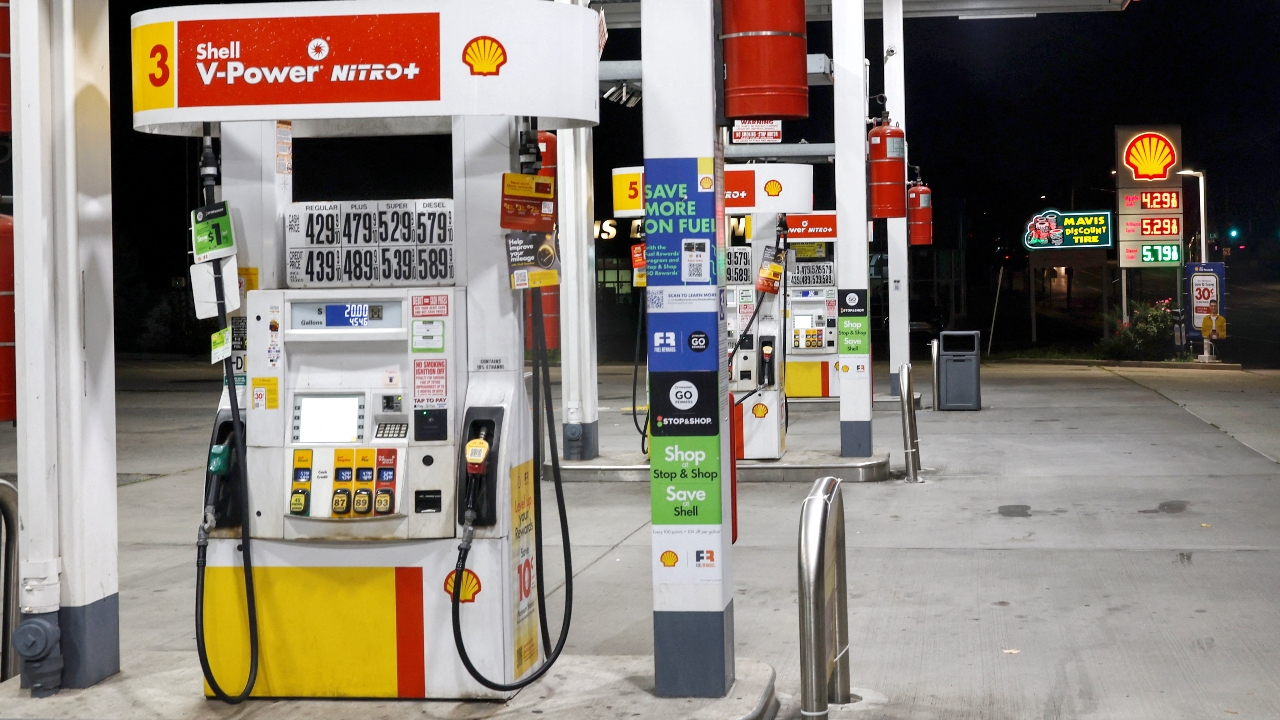
Meanwhile, U.S. diesel prices have hit record highs. According to the American Automobile Association (AAA), the average diesel price was $6.52 per gallon on 23 September, up 76% from the same time last year.
Rising oil prices are influenced by tight energy markets amid conflicts in Iran and Ukraine, affecting oil exports and products from major producers.
Earlier, on 22 September, Trump said he supports banning diesel exports, noting that the U.S. produces a large amount of diesel and should not export it while domestic prices are high.
However, the U.S. government has yet to decide on such a measure. Treasury Secretary Scott Bessent said the government is considering whether a full or partial export ban is feasible, taking into account the country's overall refining capacity.
The U.S. Department of Energy stated that the Trump administration is still considering all options to reduce energy prices and is working with the refining industry to increase domestic diesel supply through voluntary cooperation rather than measures that could reduce refining capacity.
Meanwhile, U.S. oil industry and refiners oppose a diesel export ban, saying that restricting exports could cause refiners to cut production and lead to higher gasoline and jet fuel prices.
A letter signed by 36 business and industry groups, including the American Petroleum Institute and the U.S. Chamber of Commerce, stated that U.S. refineries are operating at high levels and producing more diesel than the country consumes.
Recently, the White House denied reports that the U.S. plans to announce a 90-day diesel export ban. White House officials said Trump wants gas station prices to drop and is considering various available options.
Several energy analysts warned similarly that if the U.S. restricts exports, some refineries might reduce output, which could lower gasoline and other petroleum product supplies in the market.
:Sourcechannelnewsasia
Click to read news aboutInternational News