

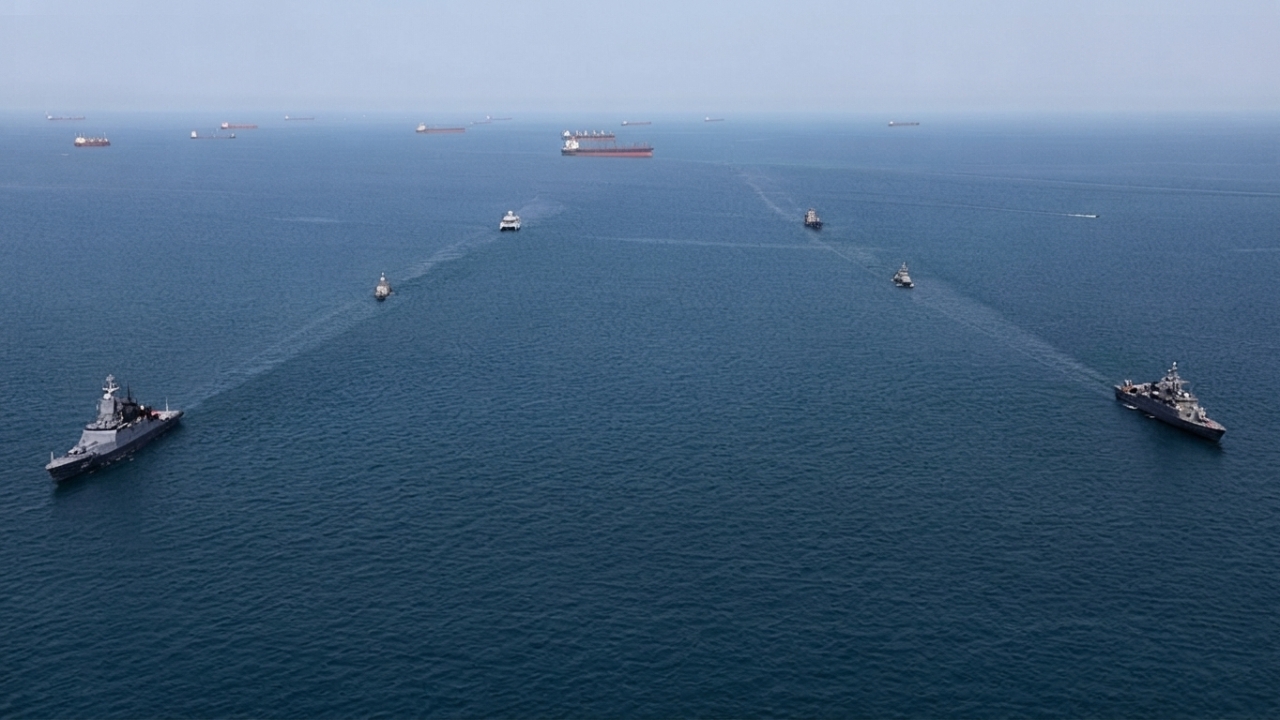
An advisor to Iran's Supreme Leader warned that if the US or Israel launches another attack on Iran, the front lines could expand from the Persian Gulf and Red Sea to the Indian Ocean and beyond, causing concern over shipping routes and India's energy security.
Yahya Rahim Safavi, advisor to Iran's Supreme Leader Mojtaba Khamenei, warned that Iran might extend the conflict area in the Middle East to the Indian Ocean if the US or Israel initiates another attack on Iran.
Safavi said in a video released by Iran's Fars News Agency that the conflict has already spread from the Persian Gulf and Strait of Hormuz to the Red Sea, and if further war occurs, the front could extend to the Indian Ocean or even farther. This is the first time a senior advisor to Iran's Supreme Leader explicitly mentioned the Indian Ocean.
This situation raises particular concern for India, as the Indian Ocean is a vital route for energy transport and maritime trade between India and the Middle East, Europe, and Africa. If fighting expands into this area, it could affect shipping, oil imports, freight costs, and marine insurance premiums.
The Strait of Hormuz is a critical strategic route for global oil and gas shipments, while the Red Sea connects maritime traffic between Asia and Europe. Previous conflicts in the Red Sea forced many shipping companies to reroute around the Cape of Good Hope, increasing travel time and transport costs.
These latest developments could increase pressure on India's importers and exporters, as well as add security responsibilities to the Indian Navy, which has previously deployed ships to escort commercial vessels and counter maritime threats in the Indian Ocean region.
However, it remains unclear whether Safavi's warning will lead to expanded military operations in the Indian Ocean. He did not specify whether Iran would target commercial ships, military bases, assets, or any particular country.
The warning comes as the conflict zone has expanded from the Persian Gulf to the Red Sea, with growing impacts on international shipping routes and energy supplies. Before the war, the Strait of Hormuz handled a significant portion of the world's oil and liquefied natural gas transport.
India is vulnerable to regional developments as it depends heavily on crude oil imports from the Middle East. The Indian government has continuously implemented security measures for Indian crews and vessels operating in the Persian Gulf, Strait of Hormuz, and nearby waters.
India's Ministry of External Affairs expressed concern after a commercial ship was attacked near Oman's coast on 23 September, resulting in the death of one Indian crew member, highlighting increased risks to regional shipping.
Meanwhile, Iran and the US continue diplomatic efforts to end the conflict, with officials from both sides meeting this week in New York on the sidelines of the United Nations General Assembly.
Iran has proposed conditions to end the war, including lifting economic sanctions affecting its economy and unconditional release of Iranian assets frozen abroad. Iranian officials also mentioned resolving the Yemen war as part of easing regional tensions.
The latest situation raises concerns that if attacks between the US, Israel, and Iran resume, the conflict could spread beyond the Middle East and more severely impact shipping routes and energy security in the Indian Ocean.