

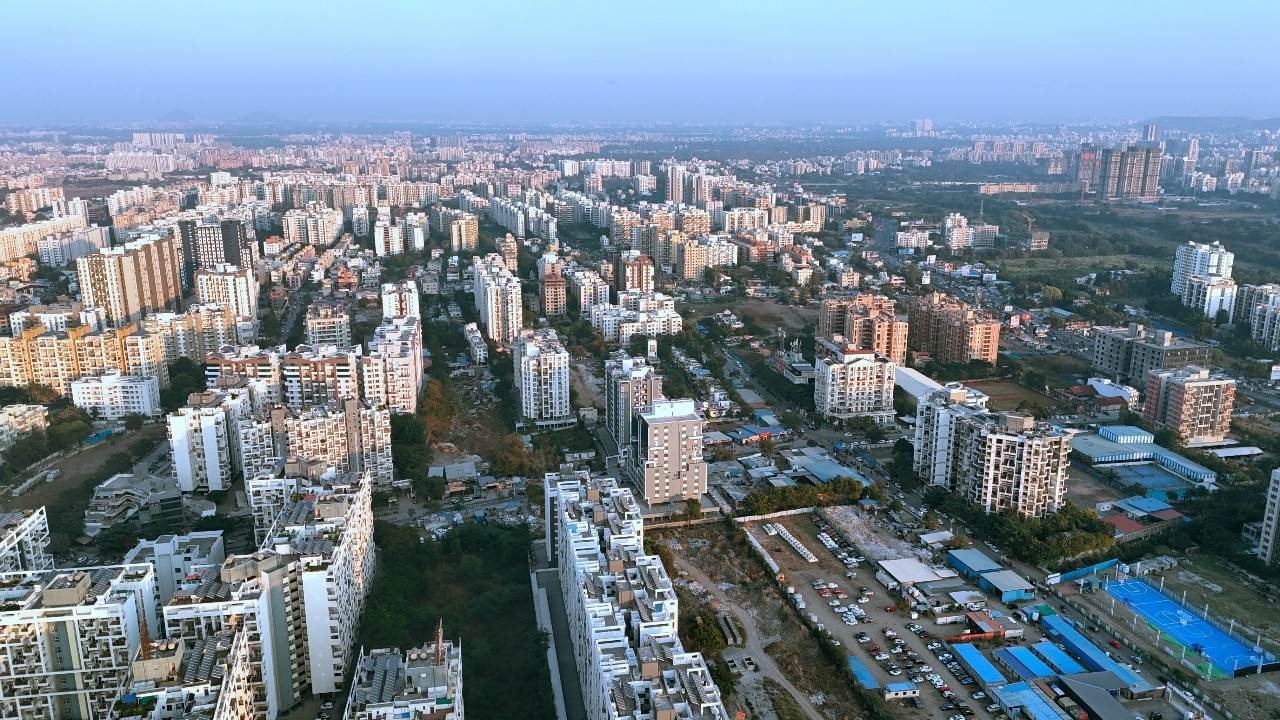
India has declared drought conditions covering 74% of Maharashtra state, a major economic region that includes Mumbai city, affecting agricultural land amid forecasts of below-average monsoon rainfall this year.
The Indian government announced that 74% of Maharashtra, one of the country’s largest economies, is under drought conditions after prolonged low rainfall during the monsoon season. Maharashtra also hosts Mumbai, India’s financial and commercial hub.
The Maharashtra state government revealed that drought affects approximately 74% of the state’s area. Chief Minister Devendra Fadnavis stated the government will stand with farmers facing this crisis, conduct damage assessments of crops, and promptly provide aid to farmers, agricultural workers, and rural families.
This situation follows forecasts by the Indian Meteorological Department that this year’s monsoon season, typically from June to September, may end with below-average rainfall, raising concerns for agriculture and the livelihoods of hundreds of millions dependent on monsoon rains for farming.
Maharashtra, with a population of about 130 million, is an important agricultural area producing key crops such as cotton, soybeans, sugarcane, and pulses. Many farmers rely on rainwater for cultivation, making crop yields highly vulnerable to damage and potentially causing financial difficulties for rural families.
In addition to Maharashtra, low rainfall has also impacted southern India, where Karnataka state has declared assistance measures for farmers affected by drought conditions.
The Indian Meteorological Department identified an unusually strong El Niño phenomenon—known for causing drier conditions in South Asia—as a major factor disrupting normal rainfall patterns in the region.
El Niño is a natural event marked by warmer Pacific Ocean surface temperatures that influence wind and rainfall patterns worldwide. Scientists note that human-driven climate change may intensify El Niño’s effects by increasing atmospheric energy and moisture, raising the likelihood of extreme weather events.
Click to read news aboutInternational news