

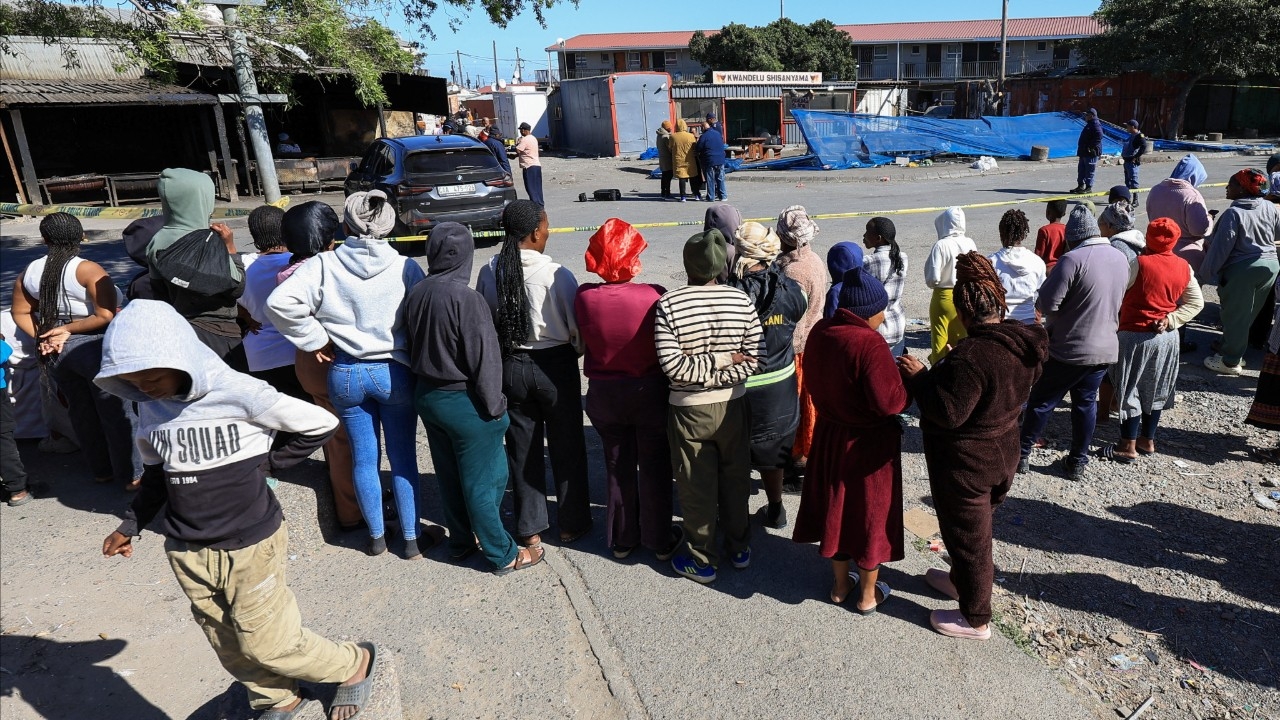
Two shootings near major South African cities have resulted in 27 deaths and dozens more injured, with the perpetrators still at large.
Foreign news agencies reported on 27 Sep 2026 that two shootings near major South African cities left at least 27 dead and many injured, amid a crisis of one of the world's highest murder rates and ongoing investigations into police corruption.
The first shooting occurred at a bar in Wedela, southwest of Johannesburg, where eight armed men wielding AK-47 rifles and pistols opened fire both outside and inside the establishment, killing 17 and injuring at least 15. The attackers also robbed customers of their mobile phones and set two cars on fire before fleeing.
The second incident happened at a barbecue restaurant in Lwandle near Cape Town early Sunday morning, resulting in 10 deaths—five at the scene and five more at the hospital—and 11 others injured.
Police believe the Johannesburg shooting may be connected to territorial disputes among illegal gold mining gangs known as "Zama Zamas," or possibly revenge related to a shooting at the same bar the previous month.
Regarding the Cape Town shooting, police are investigating a business conflict after reports that customers brought in cheaper alcohol from outside to the restaurant.
Following the incidents, President Cyril Ramaphosa declared on television that the situation could no longer be allowed to continue and ordered security forces to fully escalate crime suppression efforts. Police have established special investigation teams to hunt down the perpetrators of both attacks but have not yet made any arrests.
These events occurred just days after an 11-person mass shooting at a party near Durban and amid intense social pressure after the discovery of 10 murdered women near Johannesburg, fueling fears of a serial killer at large.
South Africa's murder rate is nearly 40 per 100,000 people, ranking ninth worldwide, with over 22,700 murders recorded in the past 12 months.
Follow international news:https://www.thairath.co.th/news/foreign
Source:The Guardian