

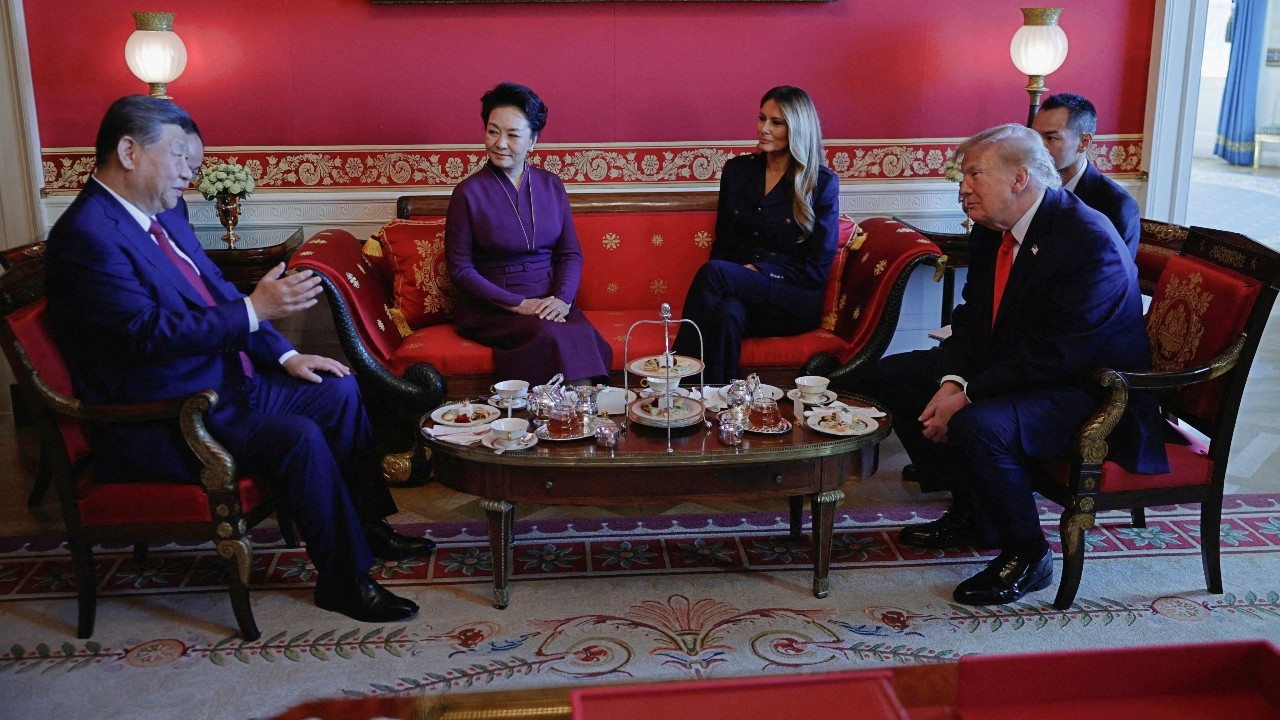
The White House has revealed lists of US and Chinese products eligible for tariff reductions, covering $30 billion worth of goods from each side, following discussions between US President Donald Trump and Chinese President Xi Jinping. The US plans to consider tariff cuts on 77 Chinese product categories, while China has proposed over 1,600 US product categories, including agricultural products, seafood, household items, toys, and consumer goods.
The US White House disclosed lists of products that may receive reduced import tariffs under a new trade agreement with China, covering approximately $30 billion in goods per side, totaling about $60 billion. However, the new tariff rates and implementation timelines have not yet been announced.
This agreement came after a meeting between US President Donald Trump and Chinese President Xi Jinping at a summit in Washington, D.C. Both sides agreed that the US-China Trade Committee would review product lists to consider granting more favorable tariff benefits to "non-sensitive" goods.
For the US, the products potentially receiving tariff reductions from China cover 77 categories, including household appliances, sports equipment, kitchenware, blankets and bedding, toys, fireworks, artificial flowers, Christmas lights and festival decorations, as well as child safety car seats.
China's proposed list of US products for tariff reductions includes more than 1,600 categories, covering various agricultural and food items such as corn, wheat, sorghum, beef, pork, poultry, seafood, dairy products, vegetable oils and meals, as well as logs and wood products, cosmetics, and medical equipment. Soybeans are notably absent from this list.
US Trade Representative James Greer stated that these tariff cuts would facilitate greater access for US goods to the Chinese market, accounting for about 30% of US exports to China.
Additionally, China has agreed to import at least 10 million tons of US coal annually in 2027 and 2028, representing about 2% of China's yearly coal imports. However, liquefied natural gas and crude oil are not included in the tariff reduction list.
China's Ministry of Commerce said that importing US coal would help strengthen the domestic coal market in China and provide stable income and employment for the US coal industry.
China confirmed that the US and China have agreed to extend the trade truce until 10 January to allow both sides to evaluate existing agreements and continue discussions to resolve economic and trade issues. China stated that this extension would help create a relatively stable and predictable policy environment for business cooperation.
Both parties will hold regular discussions on investment opportunities and challenges, increase policy transparency and predictability, and listen to concerns from the business sector.
This trade truce extension builds on the agreement reached by Trump and Xi last year after a trade war caused retaliatory tariffs between the two countries to surge by over 100% at one point.
Chinese stock markets fell sharply on 28 Sep due to investor perceptions of limited concrete outcomes from the summit and persistent underlying tensions between the two countries. Technology stocks faced pressure from US bipartisan legislative efforts to ban Chinese components in data centers, while China's blue-chip index dropped over 2%, reaching its lowest level in a year.
China's selection of US products for tariff reduction contributes to fulfilling its commitment to purchase $17 billion worth of US agricultural products, according to the White House. China has resumed significant soybean purchases from the US under an existing agreement that requires buying 25 million tons annually. The two countries plan to establish an agricultural working group under the US-China Trade Council, with the first meeting scheduled before year-end to discuss market access and trade regulations.
On technology, both sides agreed to establish communication channels to handle incidents related to artificial intelligence (AI) and will hold further discussions by the end of November.
China will also consider approving foreign financial institutions, including those with US capital, to operate and open branches in China. Both parties will continue talks on increasing flight frequencies between China and the US.