

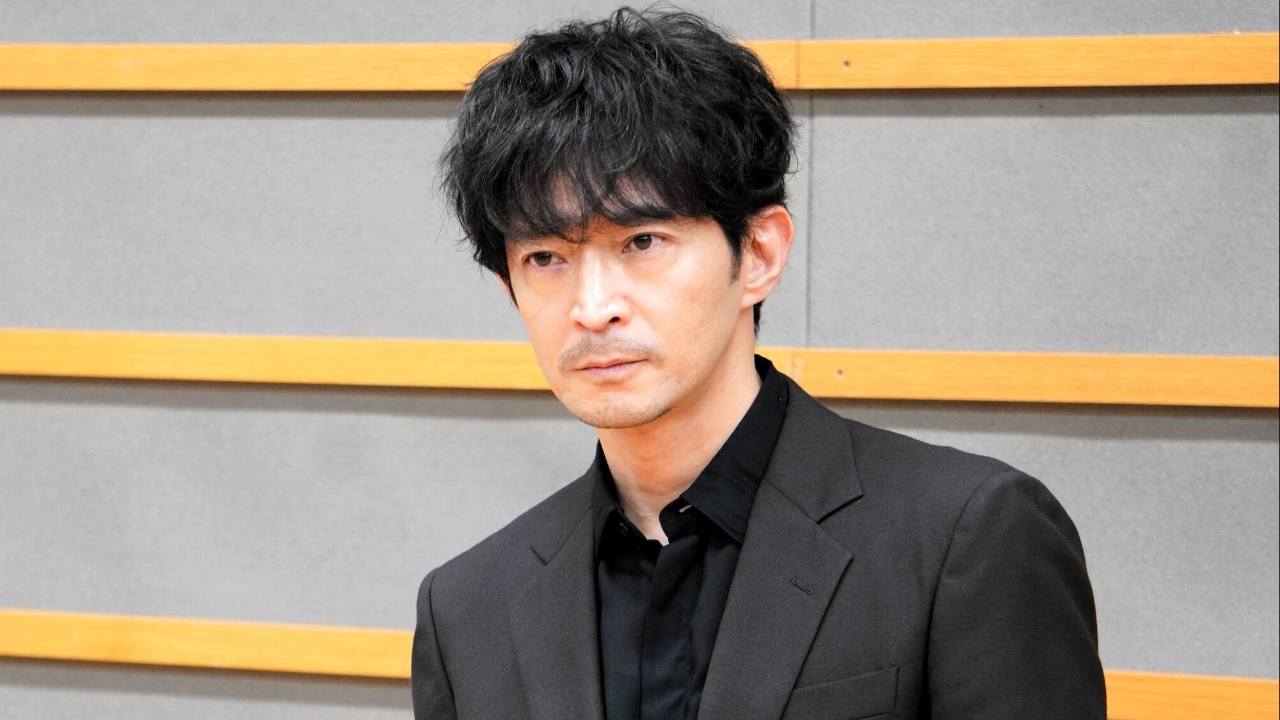
Japan's Tokyo District Court ruled that a person's voice can be protected under "commercial rights," a principle safeguarding the use of a person's identity for commercial gain. This follows a lawsuit by renowned voice actor Kenjiro Tsuda against TikTok for AI voice cloning. It is Japan's first ruling to recognize this principle as applied to a person's "voice" in AI use cases.
The case involves 55-year-old voice actor Kenjiro Tsuda, known for voicing Kento Nanami in the anime "Jujutsu Kaisen" and roles in the Yu-Gi-Oh! franchise. Tsuda alleged that AI was used to create voice imitations of him in TikTok clips and demanded the platform remove these videos.
Presiding Judge Aya Takahashi stated, "Using an actor's voice without permission may constitute a violation of commercial rights," adding that a voice can reflect a person's personality and identity similarly to photographs or images.
The case concerns about 188 clips published by an anonymous account between July 2024 and September 2025. The videos featured urban legends, mysterious stories, and trivia narrated with a voice resembling Tsuda's.
Voice analysis showed a high similarity between Tsuda's voice and the AI-generated voice. Tsuda's side argued that using his distinctive voice misled viewers and enhanced the commercial value of the content. The lawsuit noted the account had over 200,000 followers and earned approximately 500,000-750,000 yen (about 110,000-165,000 baht) monthly from using the voice.
Tsuda's legal team argued that the account's popularity came from presenting ambiguous and intriguing content, using the charming voice of the famous actor as a key element to attract viewers.
However, TikTok contended the voice used was merely a "standard male voice" unlikely to make viewers believe it was Tsuda's. The clip poster claimed the AI was trained on a friend's voice, not the actor's. The defense also said there was no reason to proceed with the case since the account was deleted on 29 June, before the lawsuit.
Judge Takahashi noted that although voices are protected under commercial rights when used for commercial benefit, TikTok is no longer obligated to remove the clips since the anonymous user deleted them months after the lawsuit began.
Tsuda's lawyer Takashi Hirano told reporters that the ruling made "both parties appear as winners" since the court recognized that voices can be protected but did not order TikTok to remove the clips.
The case has drawn significant attention in Japan's voice acting industry, which is concerned that AI technology could imitate voice actors without permission, potentially impacting Japan's long-established animation industry.
Yuko Sasaki, executive director of the Japan Actors Union and a professional voice actor, said that an actor's voice results from years of training and skill development, requiring substantial time and cost. She emphasized the union's full support for Tsuda.
Sasaki and other Japanese voice actors have campaigned in a project called "No More" to oppose unauthorized AI-generated voice imitations of actors.
Voice actor Bin Shimada, a campaign participant, warned before the ruling that allowing unchecked AI voice imitation on social media could severely impact Japan's voice acting industry and discourage new actors from pursuing careers in the field.
Currently, Japan lacks specific laws clearly defining "voice rights." However, the Ministry of Justice recently indicated that uploading videos on social media using voices similar to real individuals for profit could violate personal rights.
This ruling serves as important precedent for addressing AI use that imitates personal identity in Japan, especially in the entertainment industry where actors' voices are integral to their reputation and commercial value.
. SourceAFP/KYODO NEWS