

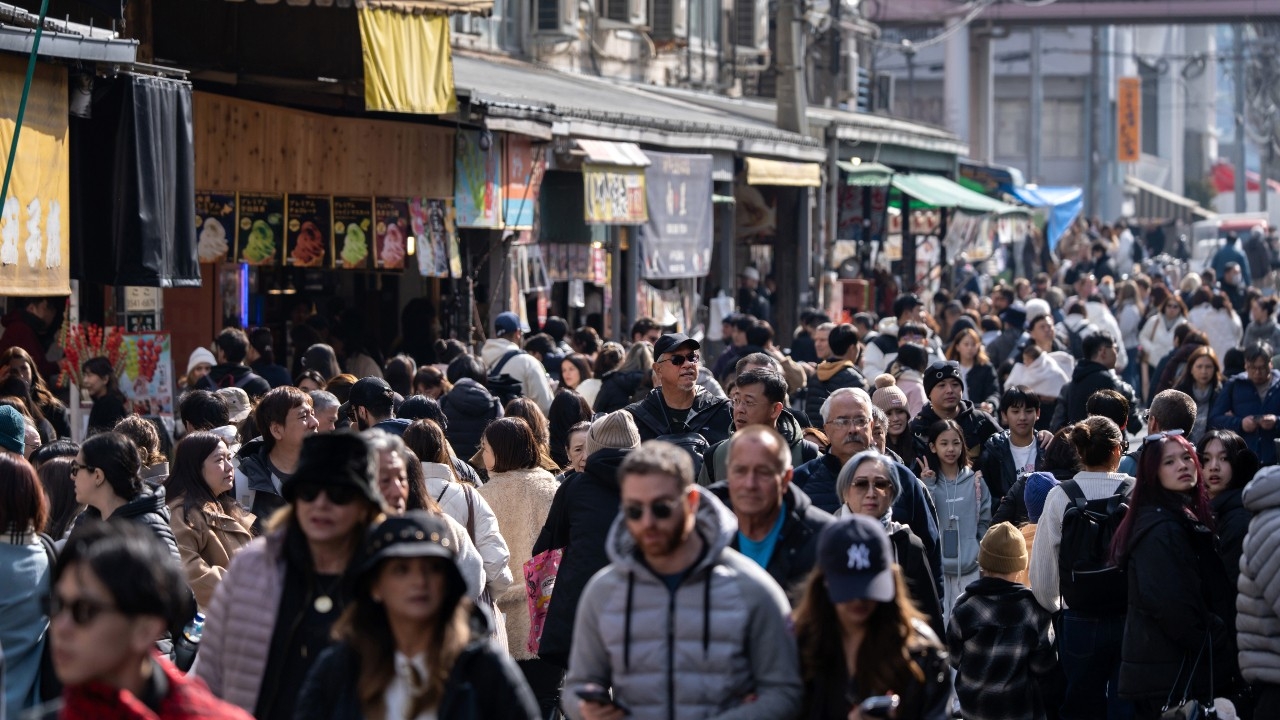
Japan has begun raising the fees for foreign residents applying for residency permits. The fee for permanent residency applications has increased from 10,000 yen to 200,000 yen, a 20-fold rise. At the same time, the criteria for permanent residency have been tightened regarding income, pension, and Japanese language ability amid the steadily growing number of foreign residents in the country.
The Japanese Immigration Services Agency will raise the fees for foreign residency permits effective 1 October 2026. The permanent residency application fee is increased twentyfold—from 10,000 yen (approximately 2,123 baht) to 200,000 yen (about 42,480 baht). Applications submitted by 30 September will be charged the old rate even if approved after 1 October.
In addition to raising fees, Japan has revised the criteria for permanent residency applications. Applicants must have household income above the average for Japanese households of the same size and demonstrate sufficient financial stability to live without becoming a burden on Japanese society.
Latest data show the average Japanese household income in 2024 is about 5.75 million yen annually, roughly 1.3 million baht. However, the Immigration Agency guidelines state that income thresholds will consider household size rather than using 5.75 million yen as a fixed benchmark for all applicants.
The income criteria will apply to applications submitted from April 2026 onward, aiming to ensure permanent residency applicants can support themselves economically.
Applicants must also have pension benefits expected to be equivalent to those received by workers who have contributed to the employee pension system for 30 years at the applicant's income level at the time of application. The new guidelines allow consideration of the applicant's financial assets if the expected pension benefits fall short.
Generally, permanent residency applicants must have lived in Japan for over 10 years. For spouses of Japanese nationals or permanent residents, who previously could apply after at least 3 years of marriage and 1 year of residence, the new guidelines require at least 5 years of marriage and 3 years of residence in Japan.
The Immigration Services Agency sought public feedback on these draft guidelines starting August and received about 5,000 comments. Some noted that using average household income might be skewed by a small number of high-income households and suggested using median income for a better reflection of typical household earnings.
Meanwhile, Japan is adding Japanese language requirements; applicants must demonstrate the ability to communicate and live independently in Japanese according to set standards. This requirement will take effect in April 2027.
These changes come as Prime Minister Sanae Takaichi's government seeks to tighten and systematize foreign resident admission policies, emphasizing the need for an orderly system amid a continuously growing foreign population in Japan.
Previously, Japan also raised visa fees for foreigners—the first increase in 50 years. From 1 October, fees for changing or renewing residency status will vary by duration, ranging from 10,000 yen for up to 3 months to 75,000 yen for periods of 5 years or more.
For online applications, fees vary by permitted duration, from 10,000 yen to 65,000 yen, with additional payment charges. Starting 1 October, online fee payments will shift from government revenue stamps to payments via convenience stores or banks.
The Immigration Agency also said applicants facing financial hardship or qualifying under law may receive fee reductions or exemptions. In such cases, the permanent residency application fee will be reduced to 20,000 yen.
The fee hike has led to a surge in applications before the new measures take effect, causing long wait times at immigration offices. The main Tokyo Immigration Office reported some visitors waited over 7 hours.
Japanese government data indicate that the foreign resident population has reached a historic high, partly due to increased demand for foreign labor amid Japan's aging society and labor shortages.
Permanent residents in Japan can live indefinitely without time restrictions and engage in activities without the work status limitations that apply to some visa holders. They may also retain their original nationality.
These new measures represent a significant change to Japan's permanent residency system. The government aims for residents granted this status to have economic stability, participate in Japanese society, and comply properly with national regulations. However, the fee increase and stricter criteria add burdens for foreigners seeking long-term residence and work in Japan.