

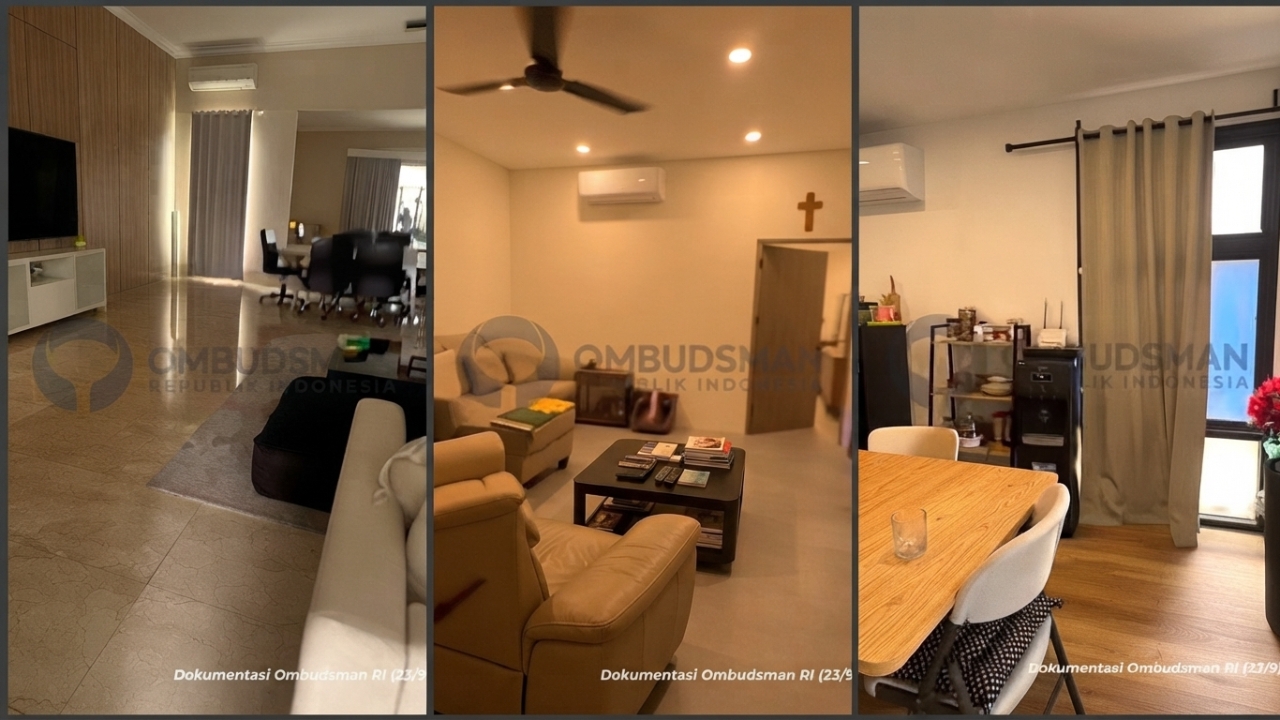
Indonesian authorities have demolished buildings dubbed "villas" inside Cipinang prison near Jakarta after officials discovered luxury rooms equipped with air conditioning, large beds, televisions, refrigerators, swimming pools, and gyms. Reports indicate that some inmates paid to stay there, while five senior prison administrators and officials have been suspended.
Indonesian authorities dismantled villa-like accommodations inside Cipinang prison in Bogor city, south of Jakarta, following an unannounced raid that uncovered facilities not suitable for a prison setting. These included alcoholic beverages, large-screen televisions, swimming pools, gyms, and apartment-style living quarters.
Officials inspected the area and removed furniture, electrical appliances, beds, sofas, refrigerators, dining tables, and bottles of alcoholic beverages from the rooms before using excavators to demolish 10 unauthorized structures.
The Indonesian Ombudsman Office revealed that an unannounced inspection last week found a cluster of lavishly decorated residential buildings within the prison grounds, with some inmates actually residing there. Officials identified at least 10 units equipped with air conditioning, sofas, large beds, refrigerators, televisions, dining areas, and household appliances.
Images released by the Ombudsman after the inspection showed bottles of beer, whiskey, and other alcoholic drinks stored in the refrigerator of one of the rooms, which officials referred to as a "villa."
They also discovered a swimming pool, gym, and a construction site for a golf simulator, while reports indicated that luxury vehicles such as Toyota Alphard and Toyota Fortuner were parked within the area.
Officials noted that the area had an unlocked rear exit gate connected to a bamboo forest and a waste disposal site, allowing those inside to enter and exit while bypassing prison checkpoints.
Saifurida Rachmawati Rasahan, an official from the Ombudsman Office, stated that the inspection clearly indicated that some inmates had access to special facilities unavailable to general prisoners. The area resembled a house, apartment, or villa more than typical prison accommodations.
The Ombudsman officials also reported finding inmates residing in these areas and suspected that special facilities had been arranged for certain groups of prisoners.
This inspection followed previous attempts by Ombudsman officials to access the area, which were denied due to document issues. Fikri Yasin, a member of the Ombudsman Office, said that during the latest inspection, officials faced obstruction, including pushing and shoving that trapped one inspector's leg. After the inspection, officials found over 10 buildings and questioned occupants who claimed to be inmates.
Additionally, information surfaced that some inmates were charged "rent" for these accommodations, ranging from tens of millions of rupiah per month to as high as 1 billion rupiah annually. Republika newspaper, citing sources, reported that these funds may have been shared with prison staff and senior bureaucrats. However, this matter remains under investigation.
Rudy Setiawan, the Inspector General of Indonesia's Ministry of Law and Human Rights, stated that the funds used to construct these buildings did not come from the state budget, and the buildings lacked construction permits. Some inmates had indeed stayed there, and authorities are investigating who authorized these arrangements.
The director of the prison department also noted that preliminary checks revealed 13 unregistered staff accommodations within the prison grounds.
Cipinang prison covers about 4 hectares and holds over 1,800 inmates, which exceeds its capacity many times over. The detainees include those accused of serious crimes, economic offenses, and corruption cases.
Following the incident, the prison's management and four other senior officials, totaling five people, were suspended. Authorities have interviewed 52 inmates and plan to report preliminary findings to parliament next week.
However, authorities have yet to disclose which inmates stayed in the luxury accommodations or specify actions to be taken against those involved.
The Indonesian Ombudsman Office stated that such facilities have never been found in other prisons before and warned that this case might be only part of a larger problem if systemic reforms are not implemented.
This case has revived allegations of privileged treatment for wealthy prisoners in Indonesian prisons. Previously, in 2010, wealthy inmates in another prison were reported to have access to air-conditioned rooms, private bathrooms, karaoke rooms, and personal staff. In 2018, government agencies found that inmates convicted of corruption in another facility paid guards for VIP accommodations.
The latest incident adds pressure on Indonesia's corrections system, which has long struggled with overcrowding, corruption, and drug smuggling issues.
The Indonesian Ombudsman is an independent government agency responsible for overseeing and inspecting public service management, including investigating complaints about government agencies' conduct.