

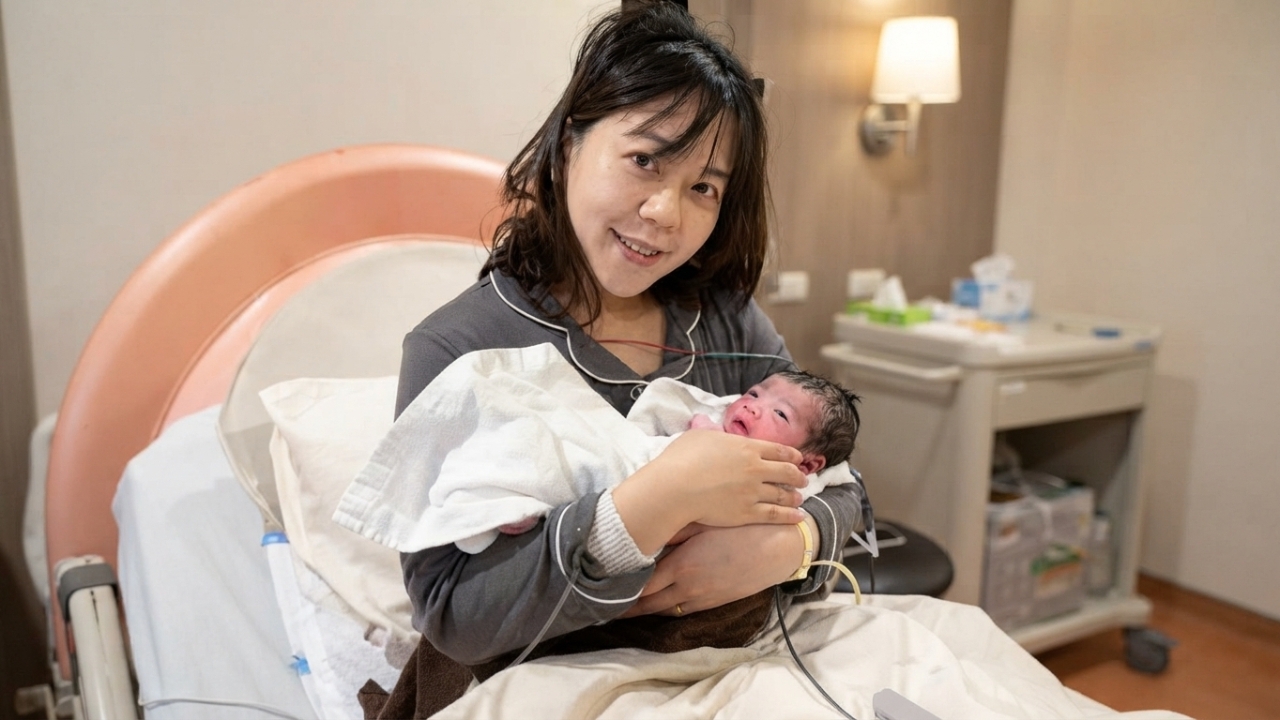
Shoko Kawata, mayor of Yawata City in Kyoto Prefecture, who is recognized as Japan's first female mayor to take maternity leave while in office, has been selected for Time magazine's "100 Rising Influential Figures" list (TIME100 Next 2026) after recently giving birth to her first daughter on 15 September.
The U.S. magazine Time announced its "100 Rising Influential Figures" (TIME100 Next 2026) list on 30 September, naming Shoko Kawata, 36, mayor of Yawata City in Kyoto Prefecture, as one of the young global influencers.
Kawata attracted nationwide attention in Japan this year after announcing her pregnancy and deciding to take maternity leave while serving as mayor. She began her leave on 20 July and gave birth to her first daughter on 15 September, with plans to return to duty on 8 November.
Time noted that Kawata's decision is significant because elected mayors in Japan do not fall under the same maternity leave rights as regular employees, and there are no clear guidelines for mayors taking maternity leave. Kawata worked with the city office to organize administrative arrangements during her absence, assigning Deputy Mayor Shigeto Nose to handle responsibilities for 16 weeks, while she continued to follow work and attend meetings online when possible.
Previously, Kawata's maternity leave became a subject of debate in Japanese society, with supporters saying women in political positions should be able to have children and work simultaneously, while critics argued that a long absence might be unsuitable for a mayor. Some also questioned the salary paid during her leave.
Kawata responded to criticism by saying that blaming politicians for taking maternity leave effectively excludes women aged 20-40, the group capable of pregnancy, from political office. She affirmed her love for her work and viewed having children and building a family as part of life that should not be seen as incompatible with political duties.
After giving birth, Kawata posted a photo along with a message thanking supporters, stating that motherhood will help her better understand the challenges faced by parents and children and that she will reflect these experiences in city policies.
Time also highlighted Kawata's policies aimed at making the city more family-friendly, such as reducing school lunch costs, distributing diapers at daycare centers, and expanding postpartum care services for mothers.
Kawata was elected mayor of Yawata City in November 2023 at age 33, making her the youngest female mayor of a city in Japan at that time. She won with 10,516 votes, while key competitors Ken Okata received 8,334 votes, and Yuko Kameda got 5,878 votes, with a voter turnout of 43.67 percent.
Before entering politics, Kawata worked at Kyoto City Hall since 2015, starting in welfare services, then moving to public property management and administrative reform, including projects to redevelop unused old school sites. In 2022, she resigned from Kyoto City Hall and moved to Tokyo to serve as a secretary to Akiko Santo, a senior politician from the Liberal Democratic Party (LDP).
Yawata City, located between Kyoto and Osaka with a population of about 69,000, faces challenges such as population decline, an aging society, and rising infrastructure maintenance costs. Kawata focuses on supporting families, attracting young people, developing the economy and tourism, and increasing municipal revenue.
The city features landmarks like Iwashimizu Hachimangu Shrine, Shogado Garden, and the riverside area of Sewaritei, which has about 1.4 kilometers of cherry blossom trees. However, Kawata believes tourism currently generates limited revenue due to insufficient restaurants, accommodations, and businesses supporting visitors.
Kawata was born on 30 August 1990 in Nara City, Nara Prefecture. She studied economics at Kyoto University before entering public service. She has said that her family background and Japan's economic downturn during her upbringing were key factors motivating her interest in public policy.
Her selection for the TIME100 Next 2026 list comes after a career spanning welfare work, public asset management, urban development, national politics, and local administration. Her maternity leave issue has sparked debate in Japan about women politicians having children and balancing public duties with family life.
/sourceTIME Magazine/BBC/News On Japan