

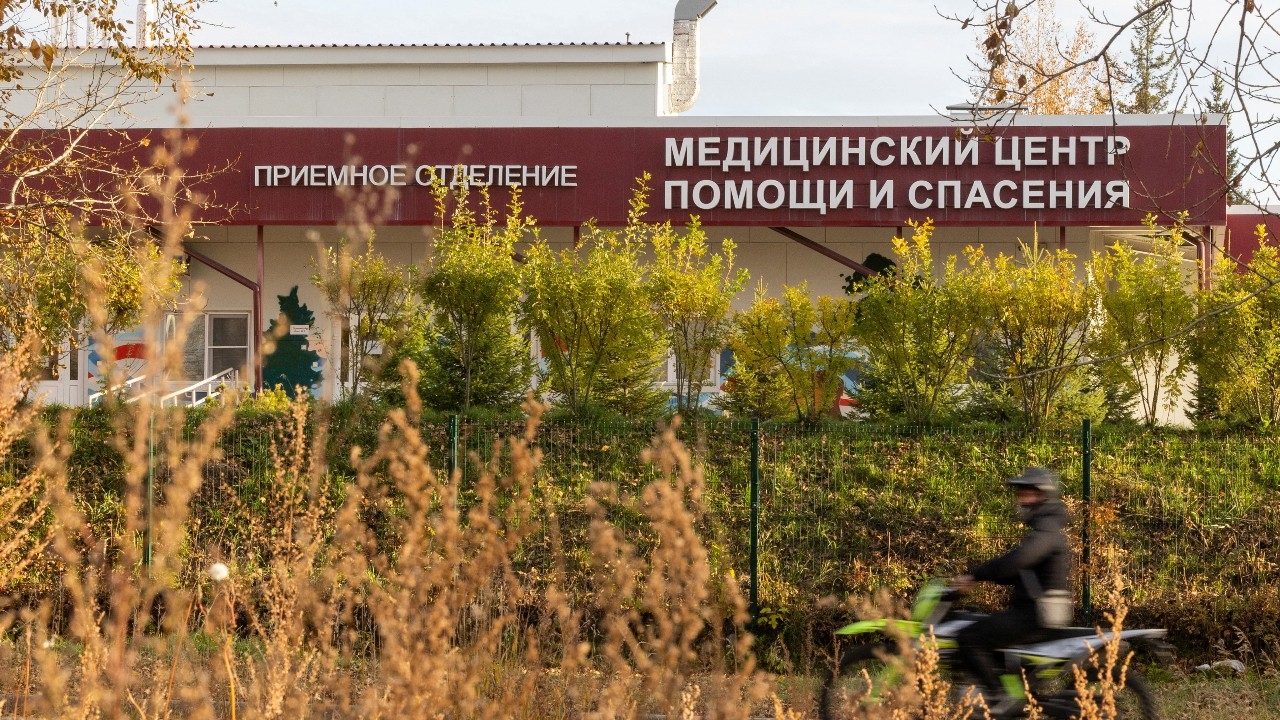
Russian health authorities are intensifying investigations after a researcher at the Siberian plague institute died from pneumonia of unknown cause. Recently, about 200 close contacts were ordered to quarantine, while the WHO confirmed the risk to the general public remains low.
The World Health Organization (WHO) stated that based on current information, the public health risk to the general population appears low. They added that risk assessments will be updated if new data emerges, following health concerns in Russia after a 28-year-old female officer at the Siberian and Far Eastern Anti-Plague Research Institute in Irkutsk region died from pneumonia of undetermined cause. Authorities have quarantined around 200 close contacts for monitoring.
Reports identified the deceased as Dariya Shipilova, though conflicting information exists about the location and nature of her illness. Authorities confirm no evidence linking her death to work at the research institute and no additional related contagious infections have been found.
Russia's consumer protection and human welfare agency, Rospotrebnadzor, confirmed that the institute found no evidence of an accident during pathogen handling, despite social media rumors that the female officer might have broken a test tube containing live bacteria.
Nevertheless, Anna Popova, head of Rospotrebnadzor, traveled to the Irkutsk region to hold an emergency meeting concerning the situation.
According to Russian media reports, approximately 200 people who had close contact with the deceased have been quarantined. Parts of the hospital in Shelekhov, where she died, have been cordoned off to control the situation. Additionally, a local aluminum factory has requested employees to wear face masks.
Rospotrebnadzor added that among those tested, two were positive for COVID-19 and two for rhinovirus, but no other infectious diseases were detected.
Plague is naturally present in Siberia because the bacterium Yersinia pestis can be found in small wild mammals and fleas, which are vectors. However, plague cases in Russia are rare, although the disease still occurs in some parts of the world, especially Africa.
There are three forms of plague, with pneumonic plague being contagious through respiratory droplets. If detected early, it is treatable with antibiotics, but if untreated, it can cause death within 1 to 6 days.
Irkutsk Governor Igor Kobzev confirmed the situation is under control and all known contacts have been traced, tested, and placed under medical supervision. In recent days, no other staff members at the Anti-Plague Institute have sought treatment for illness.
Click to read related newsInternational News