

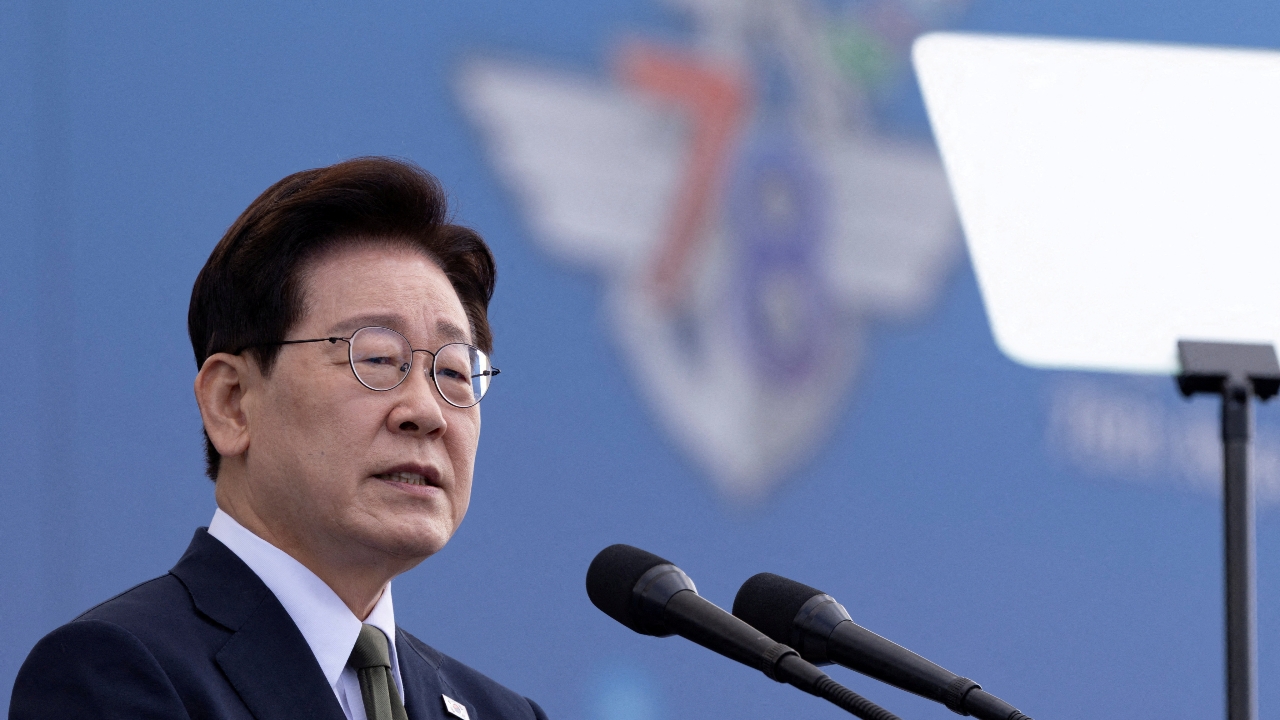
South Korean leader revealed evidence of artificial intelligence (AI) use in cyberattacks on certain banks, ordering expedited investigations and development of cybersecurity systems to address AI-era threats amid concerns over customer personal data breaches.
South Korean President Lee Jae-myung disclosed on 6 Oct 2023 that there are indications AI models may have been employed in cyberattacks against some South Korean banks. He instructed relevant agencies to promptly investigate the incidents and minimize damages after customer personal data was accessed.
During a cabinet meeting, Lee Jae-myung stated that in some hacking incidents, signs of AI usage have emerged, causing public concern and anxiety. He ordered officials to swiftly and clearly verify the facts, mobilizing personnel and resources to limit the damage.
The South Korean National Police Agency has launched a major investigation into cyberattacks on commercial banks that led to leaks of customers' personal data, according to Yonhap News Agency.
The South Korean Financial Services Commission (FSC) reported on Friday that Shinhan Bank and KB Kookmin Bank are among the financial institutions that reported cyberattacks. Yonhap further reported that Hana Bank and Woori Bank were also affected by data breaches.
However, South Korean authorities have not yet disclosed the specific AI tools or models used by the hackers, nor have they revealed the precise scope of the data compromised or total damage incurred.
On Sunday, FSC Chairman Lee Ok-won convened an emergency meeting with financial industry associations, regulatory bodies, and executives from affected financial institutions, warning the sector to heighten surveillance and rigorously counter threats.
This incident comes amid growing attention to AI-enabled cyberattacks. In September, Australia revealed that an OpenAI AI agent accessed government health data portals without authorization in June, possibly among the first disclosed cases of an AI agent breaching government websites.
Meanwhile, an AI research company disclosed last week that an AI agent attempted to attack Canadian government websites but failed. Canadian authorities stated there is no indication their systems were compromised.
Click to read related newsInternational news