

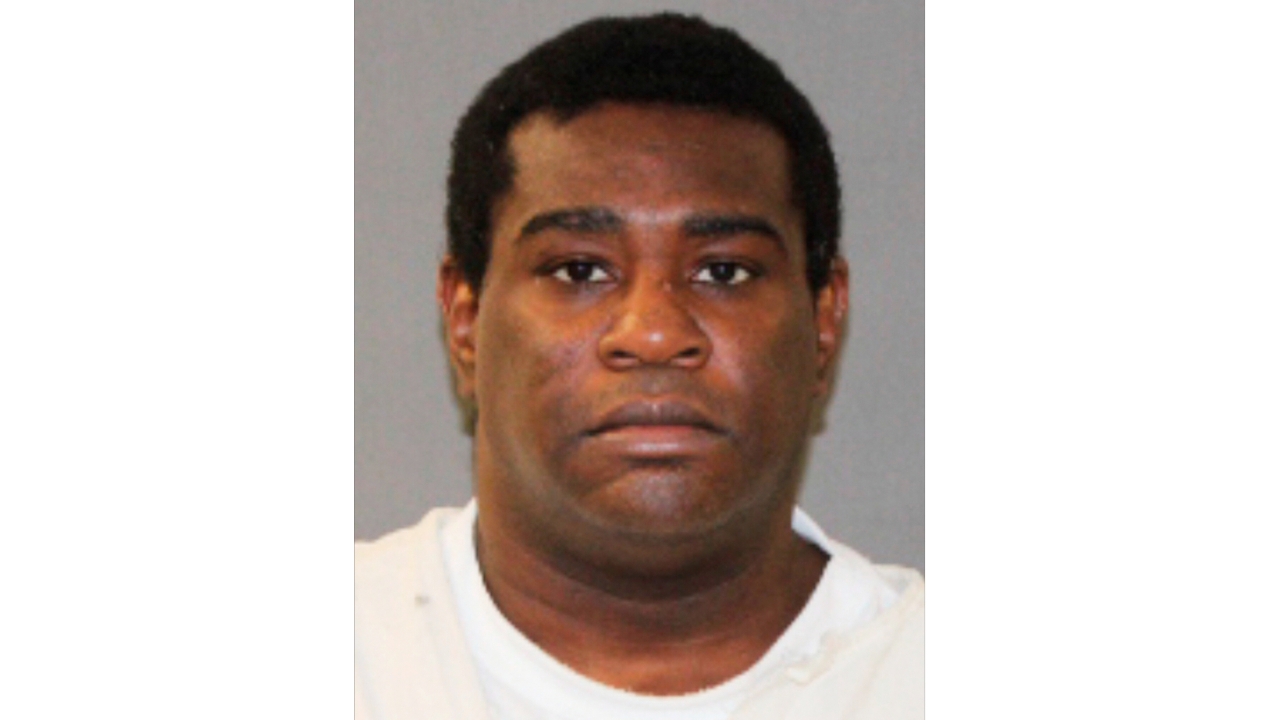
Texas carried out the lethal injection of a 46-year-old male inmate, marking the first execution since the failed attempt to execute Christa Pike in Tennessee last week. This occurred amid attorneys' efforts to halt the execution due to concerns over the quality of pentobarbital.
Texas executed 46-year-old death row inmate Jamal Howard by lethal injection at the state prison in Huntsville on Wednesday evening (7 Oct) local time, making him the 30th person executed in the U.S. in 2026 and the first since the failed execution attempt of Christa Pike in Tennessee last week.
Howard received a lethal dose of pentobarbital and was pronounced dead at 8:03 p.m. local time.
Howard was sentenced to death for the 2000 murder of 42-year-old convenience store clerk Vicki Swartout in Silsbee, northeast of Houston, during a robbery. Howard was 20 years old at the time.
Key evidence included surveillance footage showing Howard shooting Swartout in the chest once, then stealing $114 in cash and a carton of cigarettes from the store.
Before the execution, Howard was given the opportunity to speak to the victim’s family, who watched through a window from a witness room just a few meters from the execution chamber.
Howard apologized and asked the Swartout family for forgiveness, expressing remorse for what happened and hoping they might one day forgive him. He also thanked his friends and family, expressed his love for them, stated he was mentally prepared to find peace and God, and concluded by wishing everyone a happy life.
As the drug took effect, Howard breathed several times and began gasping. He then made sounds resembling snoring and coughing, followed by another snore, which gradually quieted before his body stopped moving within about 30 seconds. He was pronounced dead 19 minutes later.
Howard’s sister, who was among the witnesses in the adjacent room, became visibly distressed and repeatedly asked officials to remove her before prison staff intervened to assist.
Before the execution, Howard’s attorneys filed multiple petitions to halt the sentence, citing allegations of intellectual disability. According to the U.S. Supreme Court’s 2002 ruling, executing individuals with intellectual disabilities is prohibited, though states retain discretion in determining eligibility.
Attorneys also raised concerns about the drug Texas used for the execution, pentobarbital, the same drug used in Christa Pike’s execution attempt in Tennessee, noting some of Texas’s supply might be degraded.
The Texas Court of Criminal Appeals twice rejected petitions regarding the execution drug, and the U.S. Supreme Court denied a request to halt the execution on Wednesday evening without explanation.
Howard’s attorneys also asked Texas Governor Greg Abbott to delay the execution by 30 days to allow further investigation into the drug, but the governor did not grant the request.
Howard’s execution took place just one week after the failed attempt to execute 50-year-old female inmate Christa Pike in Tennessee on 30 September.
Pike survived after receiving two doses of pentobarbital; her attorneys stated she lost consciousness and required hospital treatment but was able to wake and speak on Tuesday. Howard’s lawyers argued that using the same drug put him at similar risk, but courts did not issue a stay of execution.
Howard became the seventh person executed in Texas in 2026, with two more executions planned in the state before year’s end.
Florida has conducted the most executions in the U.S. this year, with 16 carried out. Most states that still apply the death penalty primarily use lethal injection.
In Tennessee, Republican Governor Bill Lee has suspended one scheduled execution this year following the botched execution attempt of Christa Pike.
.sourceAssociated Press/BBC