

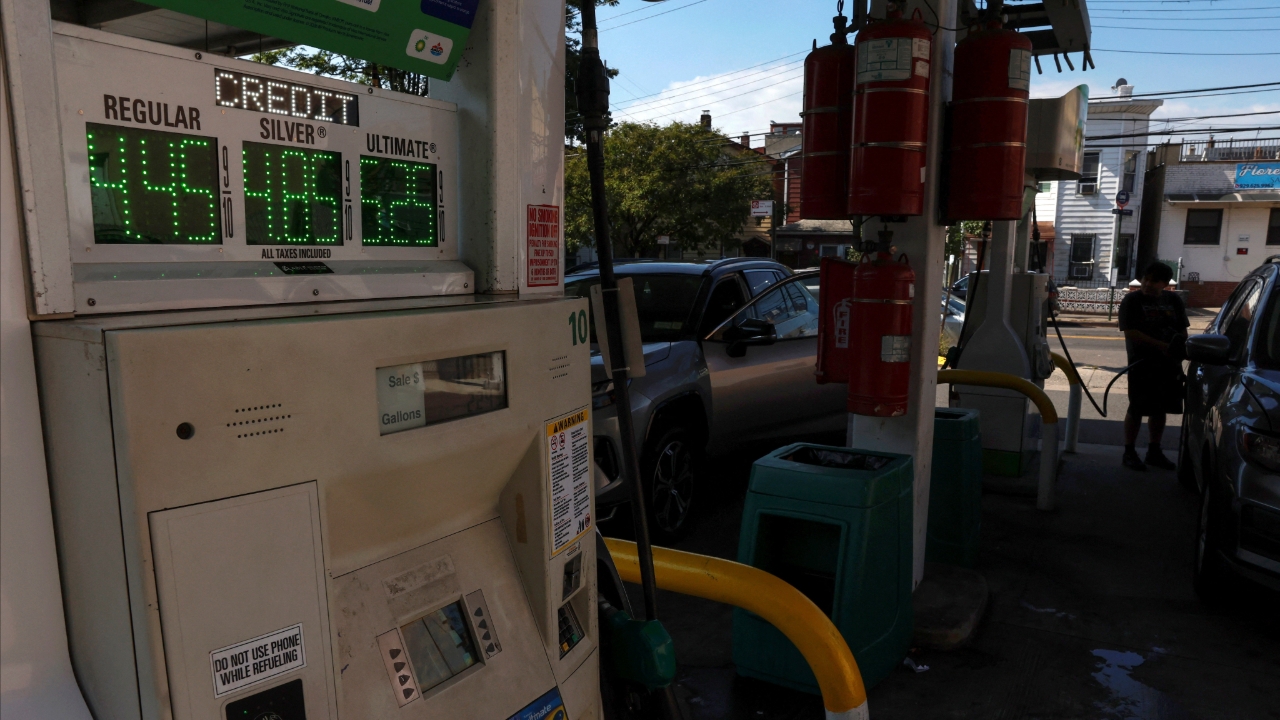
US inflation in September rose to 3.7%, exceeding analysts' expectations, as the highly contested US midterm elections approach in November.
On Wednesday, 14 Oct 2026 GMT+7, the US Bureau of Labor Statistics (BLS) reported that the Consumer Price Index (CPI) for September increased to 3.7% year-on-year, higher than August's 3.4% and above analysts' forecasts.
This data set is the final key economic indicator before next month's US midterm elections, which will decide whether the Trump administration retains a congressional majority. Economic issues and living costs will be central concerns for voters.
The main driver of the CPI increase, a key inflation gauge, is the energy crisis and soaring oil prices caused by US-Iran conflicts disrupting energy supplies in the Middle East, pushing crude oil prices from about $70 to over $100 per barrel.
Overall, US energy prices rose 20.4% over the past 12 months. In September alone, gasoline prices jumped 9.1%, amounting to a 34.2% annual increase, while heating oil prices surged 74.2% in the same period.
Meanwhile, food inflation remained steady at 2.5%, and core inflation (excluding food and energy) stood at 2.6%.
In addition, US inflation is impacted by Trump administration tariffs imposed on imports worldwide. Studies from the Federal Reserve found foreign exporters rarely lowered prices, causing US companies to bear nearly 90% of the tariff increases.
This has driven consumer goods prices higher, with every 1% increase in tariffs pushing consumer prices up approximately 0.25% over one year.
Although the 3.7% inflation rate is below the peak levels seen during the COVID-19 and Russia-Ukraine war crises—when inflation neared 9%—it remains above the Federal Reserve's long-term target of 2%.
The Federal Reserve is closely monitoring whether these higher energy costs will spill over into price increases in other categories, such as food.
Follow international news at:https://www.thairath.co.th/news/foreign
Source:bbc